Monthly Archives: August 2010

Alan Simpson to Receive Honorary Degree

Guapo, Arizona.  University Chancellor Dr. Tina Grimstone issued a press release containing the annual list of Honorary Degrees to be conferred by Pultroon University at the spring 2011 commencement.   Notable are three awardees from the State of Wyoming, former US Senator Alan Simpson, former Sectretary of the Interior James Watt, and former Vice President Richard “Dick” Cheney. 

In her brief comments Dr. Grimstone stated that “seldom has a state produced three characters of the magnitude of Simpson, Watt, and Cheney in a single generation. We felt it was important to highlight this fact as an example to others who may choose public service.”

The University public affairs office disclosed that Sen. Simpson will deliver the commencement address on the topic of “Folksy Farm Witicisms in Public Life.”  Secretary Watt will follow the ceremony with a pentecostal benediction spoken in tongues and Vice President Cheney will pesent the Honorary St. Elmo’s Firing Pin to the Chancellor in the precessional.

The American gold rush and relativistic electrons

Exactly why do people value gold? Is all of the allure of gold due to its color? What if gold metal did not have the golden color? Instead, what if it had a silver luster like its neighbors on the periodic table of elements? Would we find it quite so appealing?

There are many reasons why people might desire gold.  The motivation to possess gold would surely vary based upon where in the value chain the metal was encountered.  Gold prospectors might value gold because it was an item of trade. Artisans would value gold for more pragmatic reasons relating workability.  Rulers would value gold because it was an asset that could be put in the treasury and later used to buy influence or fund military adventures. Thieves and plunderers valued gold owing its high value per unit volume  and the ability to offer it in trade virtually anywhere.  

Here is what we can say for sure about gold.  It’s high degree of inertness means that it can retain its golden luster indefinitely and bestow an everlasting aspect. Its malleability and ductility means that metalsmithing with fairly primitive tools was feasible. Gold could be hammered into thin sheets that could be cut, punctured, and otherwise worked by artisans to produce impressive art objects. Gold could be worked to produce all manner of ornamentation for the sake of religiosity, as an ostentatious display of wealth and power, or for coinage. Whatever the context, gold leaves an impression on people, aesthetic or otherwise.

Here is where it all gets interesting. You see, one of the consequences of Einstein’s theory of relativity is that as an object approaches the speed of light, c, its mass increases by an amount defined by a fairly simple mathematical relationship. An object’s rest mass is less than its mass appreciably near lightspeed.  The term “relativistic” refers to effects relating to objects traveling near lightspeed.

It turns out that some of the outer electrons around heavy atoms like gold and mercury are moving at an appreciable fraction of the speed of light- they are relativistic electrons.  If these relativistic electrons are at the outer, valence level, then aspects or behaviors affected by relativity may become apparent by how the atom interacts with light or other atoms. 

Chemistry is about the behavior of electrons confined to the space in the immediate vicinity of nuclei, or bound electrons. In particular, the electrons outer, valence, electrons. This is the realm of chemistry.  Chemists go about their business manipulating these electrons for fun and profit. Virtually our entire material experience of life is dictated by the manner in which these electrons interact.

In the case of gold, the 6s electrons are moving at a significant fraction of the speed of light. The magnitude is 58 % of c, according to one internet reference. At this velocity, the electron mass has increased by a factor of 1.22 times its rest mass. This being the case, the Bohr radius of the orbital is contracted by 22 %. 

The implication of this perturbation in orbital size is that an electronic transition between the 5d and 6s orbitals shifts out of the UV range and into the visible band. The molar extinction from the UV cutoff to about 500 nm is high enough that metallic gold takes on its characteristic golden hue from the reflected light.

Gold is not the only element to be affected at the valence level by relativistic effects. Mercury is also affected. The contraction of the 6s orbital results in relative inertness of the 6s^2 lone pair and poor interatomic (metallic) bonding, resulting in the unusually low melting point of mercury.  Indeed it is likely that most of the interatomic attraction is due to van der Waals forces, which is notably weak.

The inertness of the 6s lone pair reveals itself in the oxidation states of bismuth, which has stable oxidation states at +3 and +5. Like other pnictogens, bismuth (III) compounds have a lone pair. But unlike nitrogen and phosphorus lone pairs which are reactive and an important part of their ordinary chemistry, bismuth’s 6s lone pair is rather inert and not significantly hybridized. Triarylbismuth (III) compounds are trigonal planar with the lone pair taking spherical s-orbital symmetry.  UV-Vis experiments will show that for some simple BiAr3 compounds, the n->pi* transition has a very low extinction coefficient, unlike the analogous Ph3P.  Exposure to Pd(II), for instance, will show scant indication of coordination in the UV spectrum, again unlike Ph3P.

This is quantum chemistry stuff that the reader can run down later. What is of interest to me in this post is the fact that, without knowing it, gold prospectors, miners, and mill operators of the 19th century took full advantage of certain relativistic effects in their search for gold.

The first relativistic effect the early miners took advantage of was the simple fact that gold is a colored and relatively inert metal. It could be spotted by simple inspection in streams and quartz veins. The color of gold made it impossible to confuse with other metals. Ofcourse, iron pyrite was always a problem, but there were simple ways to test for pyrite.

The other relativistic tool used by miners was amalgamation of gold (and silver). Mercury, being a metallic liquid by virtue of relativistic valence electrons, could be intimately contacted with gold dust or larger particles to form a solution that would remain liquid up to some modest fraction of gold. Mercury, being quite dense, would naturally seek the low points where the gold would also be found. This dissolution could be affected by simple sloshing or by grinding the mercury with the ore in an arrastra or an amalgamation pan.  After agitation, the mercury would pool and could be easily collected.

Later amalgamation techniques would combine aqueous cyanidation of the ore in the presence of mercury in hopes of better gold and silver  recovery. Reduction of gold or silver chloride occured in-situ to provide amalgam.  Amalgamation of ore that had been chlorinated by roasting in the presence of NaCl was a common solution to the serious problem of sulphuretted auriferous or argentiferous ore.

The miners of the 19th century American gold rush certainly didn’t know that their task of extracting gold would be aided by the effects of high velocity electrons. Most people walking around today don’t know or even care about this more than 55 years after the passing of Albert Einstein.  But it goes to show how subtle effects of nature can affect our lives in unexpected ways. And this is just one of many such nuances of physics.

Professor claims Lincoln was wrong; southern states should have been let go.

Guapo, Arizona.  A political science conference held to reexamine the American Civil War has produced some surprising and controversial conclusions. At a news conference sponsored by Pultroon University, a spokesperson for the Office of University Affairs tried to assure reporters that the event was in fact a scholarly meetiong and not part of a political movement.  Meeting organizer and political science professor Udo Rotmensen spoke at the press conference and reiterated that this was not an anti-tea bag event, but rather a venue for professional discourse.

The subject of the controversy is a paper delivered by associate professor Edward Zaldibar, from Penninsular College in Wisconsin, entitled “Was Lincoln Wrong? Alternatives to Reunification.” In his paper, which is soon to be published in the Proceedings of the Sherman Society, Zaldibar explores alternate resolutions to the Civil War.  Zaldibar’s hypothesis is that the Confederacy was a genuine and organic political evolution fundamentally incompatible with the Union and democratic ideals. 

Where Prof. Zaldibar generated the controversy was the conclusion that the US should consider the merits of forcibly separating the former Confederate States from the Union, sans nuclear weapons, and begin negotiations on the merging of the Northern states with Canada.  

Amidst the outcry and shouting from the aisles, Prof. Zaldibar maintained that it was “obvious on its face” that these states should be let go in the interest of a peaceful and prosperous future. “After all”, the professor continued, “the Tea Party movement pretty much clinches my argument, doesn’t it? Its southern anti-federalism undercurrent combined with a penchant for ‘2nd amendment solutions’ for conflict resolution is a reincarnation of antebellum ideals.” 

After the meeting, Prof. Zaldibar was escorted past a gauntlet of outraged attendees and students. He remains in seclusion and declines to be interviewed.

Some Questions

What do farmers think of crop circles? Isn’t it just … vandalism? Is there such a thing as crop circle insurance?

Many of the fellows who boarded the three ships at Griffins Wharf and pulled off the Boston Tea Party were disguised as Mohawk Indians. How patriotic or heroic is it to destroy property and attempt to blame others for the deed?

When Rand Paul implodes alone in the forest, will he make a sound?

Daytripping in the Gold Hill and Wall Street Mining Areas

The Gold Hill mining district northwest of Boulder, Colorado, is dotted with many signs of mining activity from an earlier time. This district is adjacent to the towns of Ward and Nederland and situated in the northeastern extreme of the Colorado Mineral Belt (CMB).  The first significant gold lode discovery of the 1859 Colorado Gold Rush occurred in this area. Gold Hill is at the northern end of a particularly rich band of gold lode occurrences within the CMB stretching southward in parallel with the Front Range through Central City, Idaho Springs, and further south to Cripple Creek.

The town of Gold Hill (actually a CDP) is connected to Left Hand Canyon road via Lick Skillet road, reportedly the steepest maintained county road in the USA. I can verify the steepness of this gravel road and would heartily suggest shifting into first gear while driving down this mile-long toboggan run.

While mining has long since halted at the great majority of mines in this district, the Cash Mine east of town is still in operation.

To the south of Gold Hill is a CDP settlement called Wall Street. This was the location of a mine and a mill. Or they called it a mill. It should probably be called a smelter since roasting was used in the process.

No, it’s not a Babylonian fortress. It is part of the Wall Street Mill in Wall Street, Colorado. Copyright 2010 Th’ Gaussling.

The Wall Street Mill today sits on private property and access is not available to the motoring public. The site sits along the road on Four Mile Canyon Drive, a mile from the intersection with Gold Run Road and south of Gold Hill.

The imposing structure along the road is actually a cooling bin for the storage of freshly roasted ore.  A sign posted along the road says that the mill process used roasting, chlorination, and cyanidation to recover the gold values. The sign also indicates that the mine closed after only a few years of operation due to poor management. Poor operating practices were not uncommon.

Roasting was a common step in the metallurgy of sulfur-rich gold and silver ore. The purpose of roasting is to change the chemical composition of the ore by oxidation of metal sulfides to produce metal oxides. The gold and / or silver in the ore was difficult to isolate without this process. The matrix of metal sulfides in the ore interfered with the extraction of distributed and native gold by amalgamation. And without chemical processing, silver was all but impossible to extract from the ore with 19th century technology.

But roasting was only a prelude to further processing. Roasted ore could be crushed in a stamp mill to produce a greater surface area for extractive metallurgy or could release particles of native gold. Reduced, native, gold could then be isolated with shaker tables to partition the dense gold particles into a slurry stream for isolation and further refinement. Alternatively, the pulverized ore could be passed over copper amalgamation tables for dissolution into mercury. A trip to the retort would distill away the mercury (mostly) and afford a button of isolated gold. Gold and silver can be extracted with mercury.

Gold that was highly distributed in microscopic particles could be extracted chemically using several options in the late 19th century.  Selectivity was always a problem and processing trains became relatively complicated in an effort to provide the purest gold and silver possible.

Roasted gold and silver ores could be subjected to chlorination (or chloridation) processes that produced chemically extractable gold or silver. Roasting ore with sodium chloride in a reverberatory furnace, for instance was commonly done to produce gold and silver chlorides that were accessable via aqueous extraction methods. The origin of metallurgical chlorination  traces back to von Patera in the Bohemian silver mining town of Joachimsthal.

Chlorination by generation of Cl2(g) was not uncommon. Wetted ore was exposed to freshly generated chlorine, producing metal chlorides in the roasted ore pulp. A process similar to the method of Scheele in 1774 (MnO2 + 4 HCl-> MnCl2 + 2 H2O + Cl2) was used to generate the chlorine on the spot for chlorination. Manganese dioxide, sometimes referred to as the peroxide of manganese, was treated with sodium chloride and sulfuric acid. Gold chloride could be extracted by water and then reduced to gold powder with zinc, iron scrap, or green vitriol (iron (II) sulfate, a 1-electron reducing agent).

Cyanidation was also used according to the information at the site. I’ll leave this method for another post.

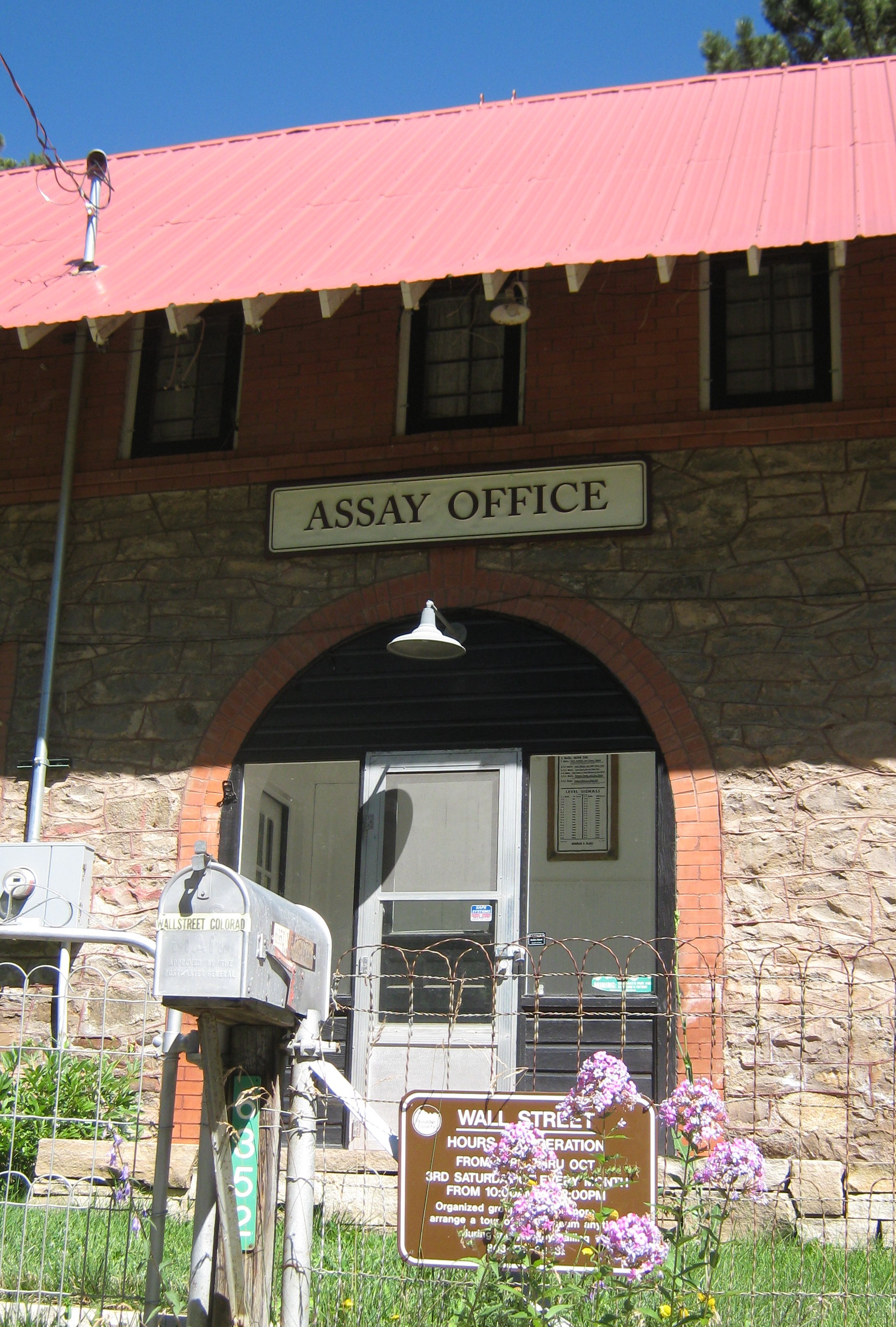
Wall Street Assay Office Copyright 2010 Th’ Gaussling

An assay office sits adjacent the mill. The upper level of the assay office served as a residence and pool hall. At its peak, this site was home to 300 people. The Assay Office is now maintained by Boulder County.

Cogitations on the sunflower

My morning commute through the countryside takes me past more than a few fields of sunflowers. By late July the flowers are out and without exception, all nodding toward the east where a star appears every day. Many of the local farmers have taken to raising sunflowers rather than the usual corn and sugar beets.  I haven’t a clue as to what kind of machinery is used to harvest these things.

One of the local heliotropes

It is uncanny that the entire crop will lock the flowering body orientation in the direction of the sun.  Somehow the direction of the sun at other times of day does not randomize the orientations. If you stand and look at a field of sunflowers, you’ll see outliers in height, but not direction of flower orientation. Or so my experience has been. There has to be some frequency of orientation outliers.

I wonder if there isn’t some growth step in the stem than occurs over a short time span X days into its growth, removing what stem mobility that might exist and locking the flower in place?

Such things make me wonder if our concepts of consciousness, with human consciousness as the benchmark, aren’t a bit too self serving.

Summer Kitsch

Every once in a while fate brings you to a location that you’ve lived by, but have never visited.  We had the occasion to visit a local ranch that markets itself as a working ranch and event center. The ranch, which will go unnamed, sits in the Little Thompson River valley along the Colorado Front Range. It is one of the very few river valleys that does not have a public road in it.

The ranch defies easy description. The rancher has dedicated the property to open space, so McMansion construction will not fill the valley with subdivisions of tedious, look-alike housing with black Escalades parked out front. He wants to keep the property, well, not wild exactly, but early 20th century ranch style.

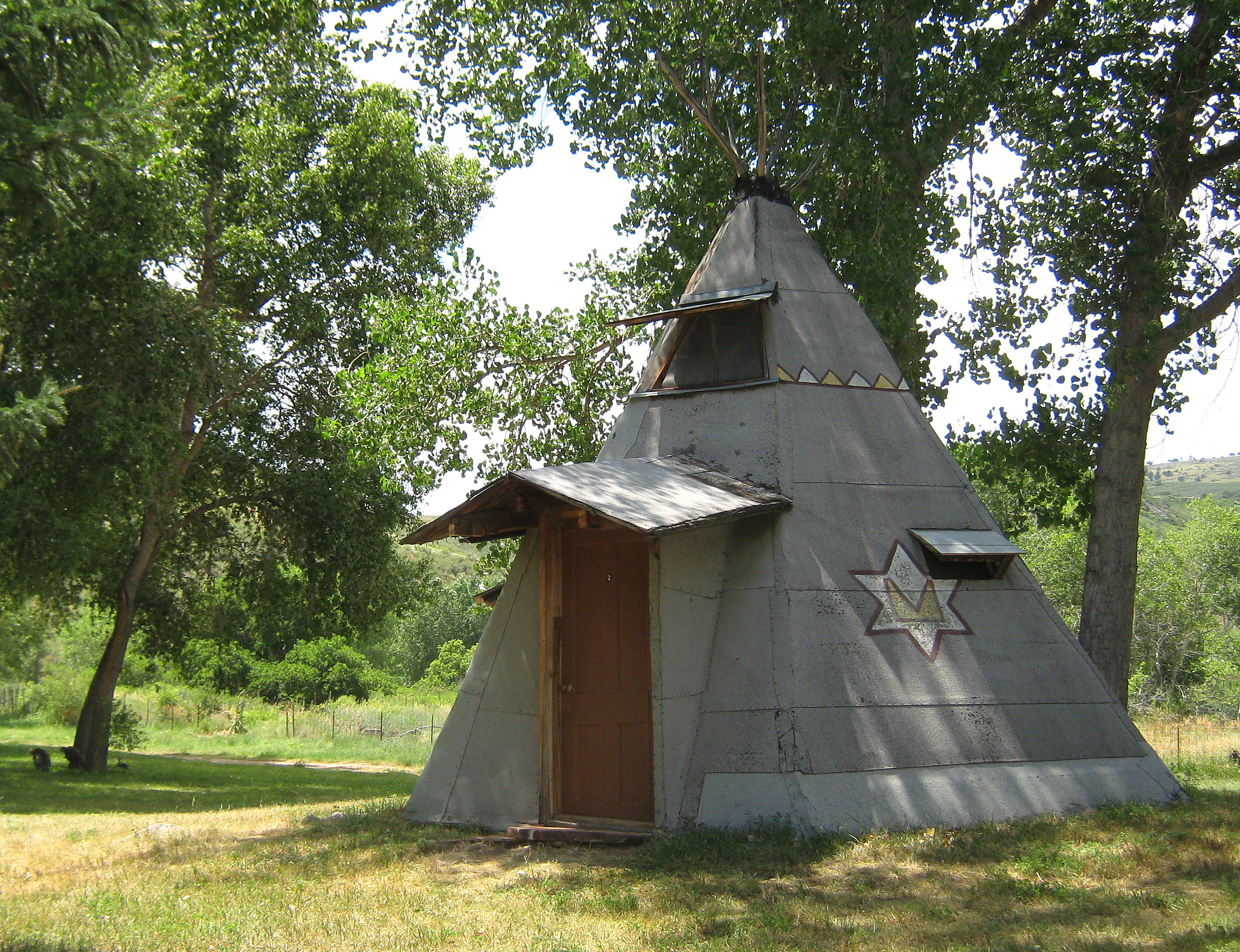
Tar Paper Tee-Pee

The ranch has a campground with unimproved space for campers and tents as well as a half dozen pentagonal pyramidal structures referred to as Tee-Pees. These Tee-Pees are covered with rolled tar paper roofing and festooned with images of native American artwork. I’d say it’s pretty kitschy.

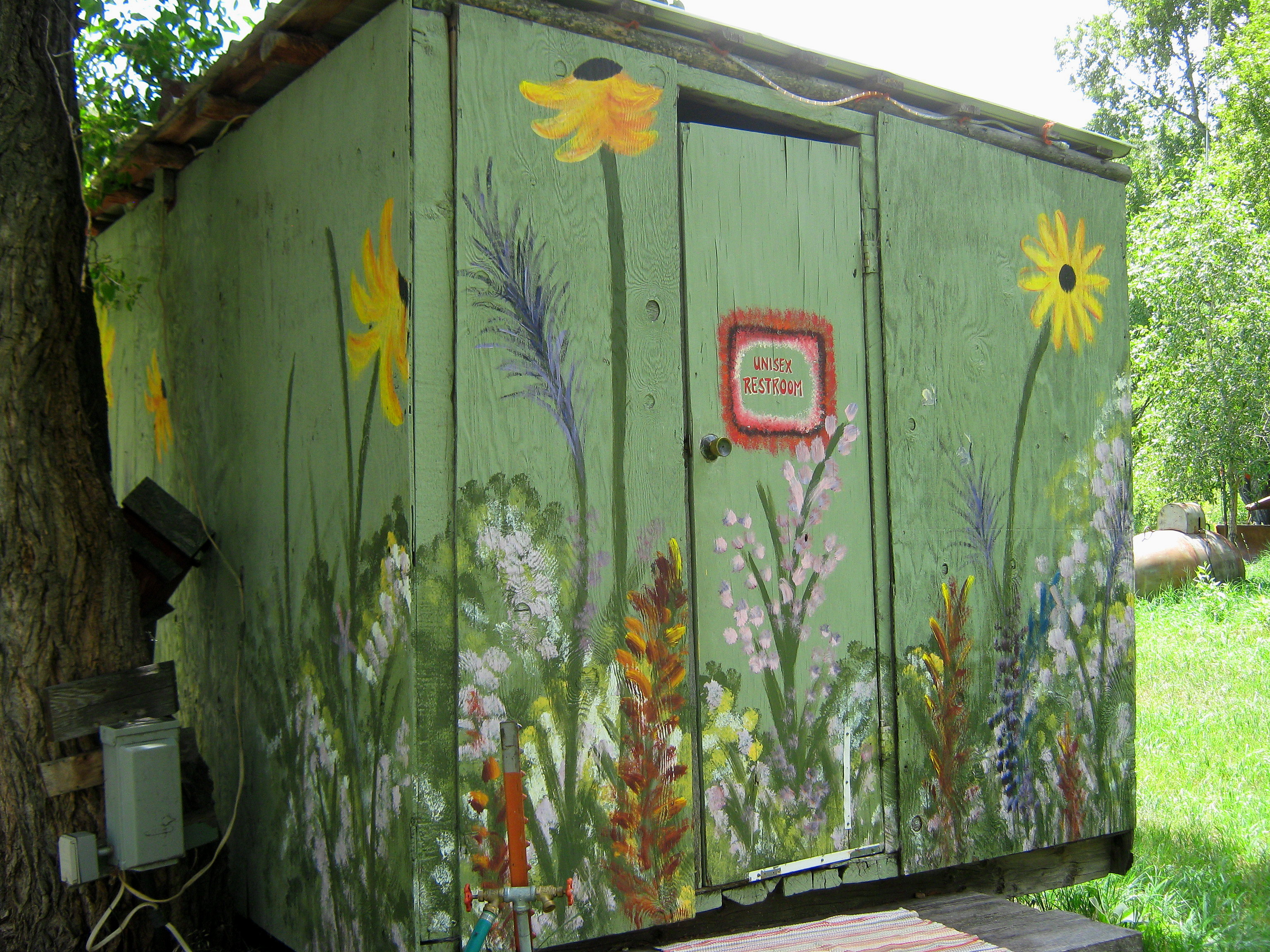
Campers Powder Room

The restroom facilities are nearby, festive, and unmistakable.

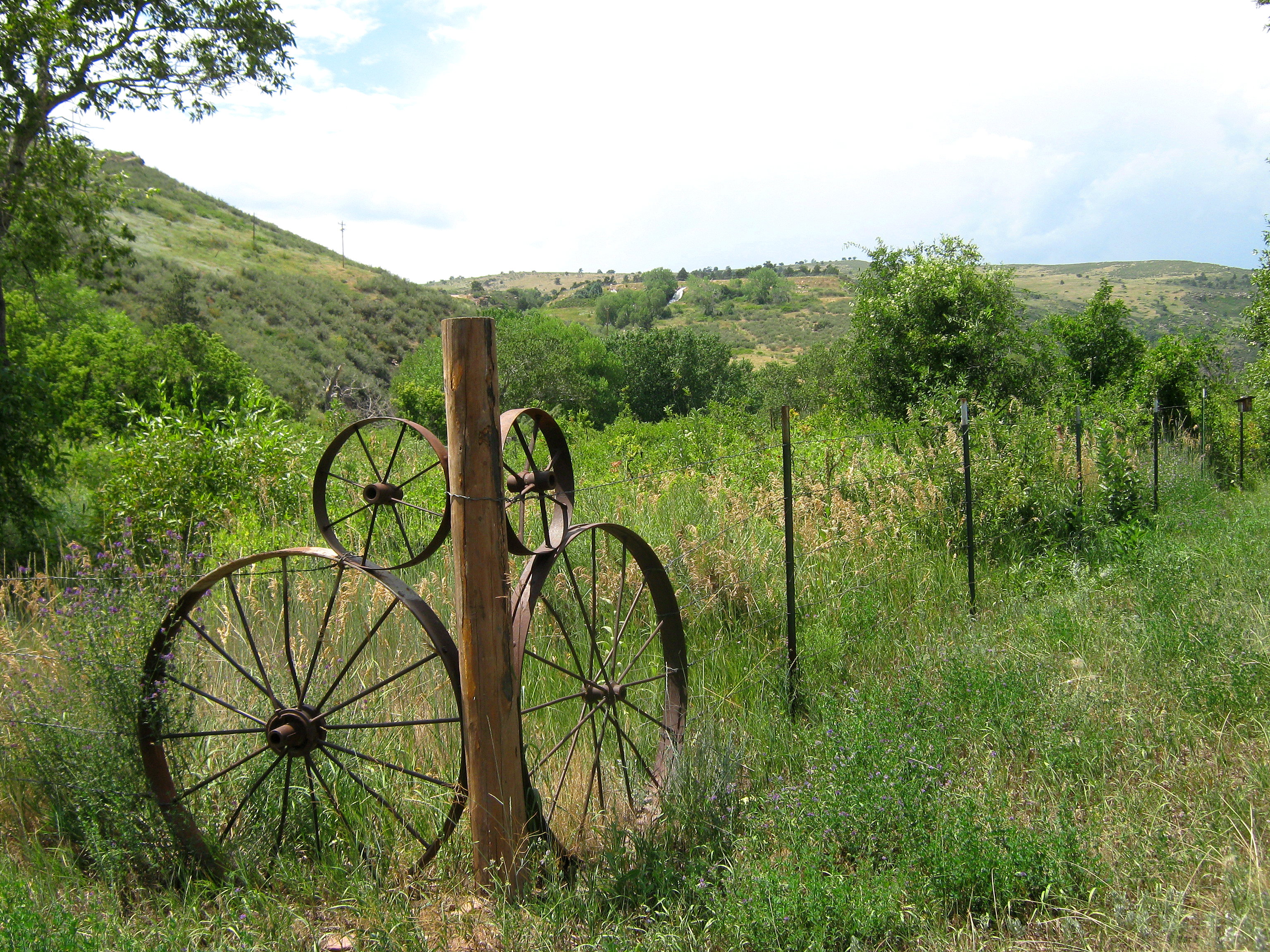
Don't Fence Me in

The ranch is quite large and sits on the north side of Rabbit Mountain, sometimes known as rattlesnake mountain. This is rattlesnake country and you need to be wary when charging through the grass to get that great photo.

Folk Art of the Little Thompson Valley

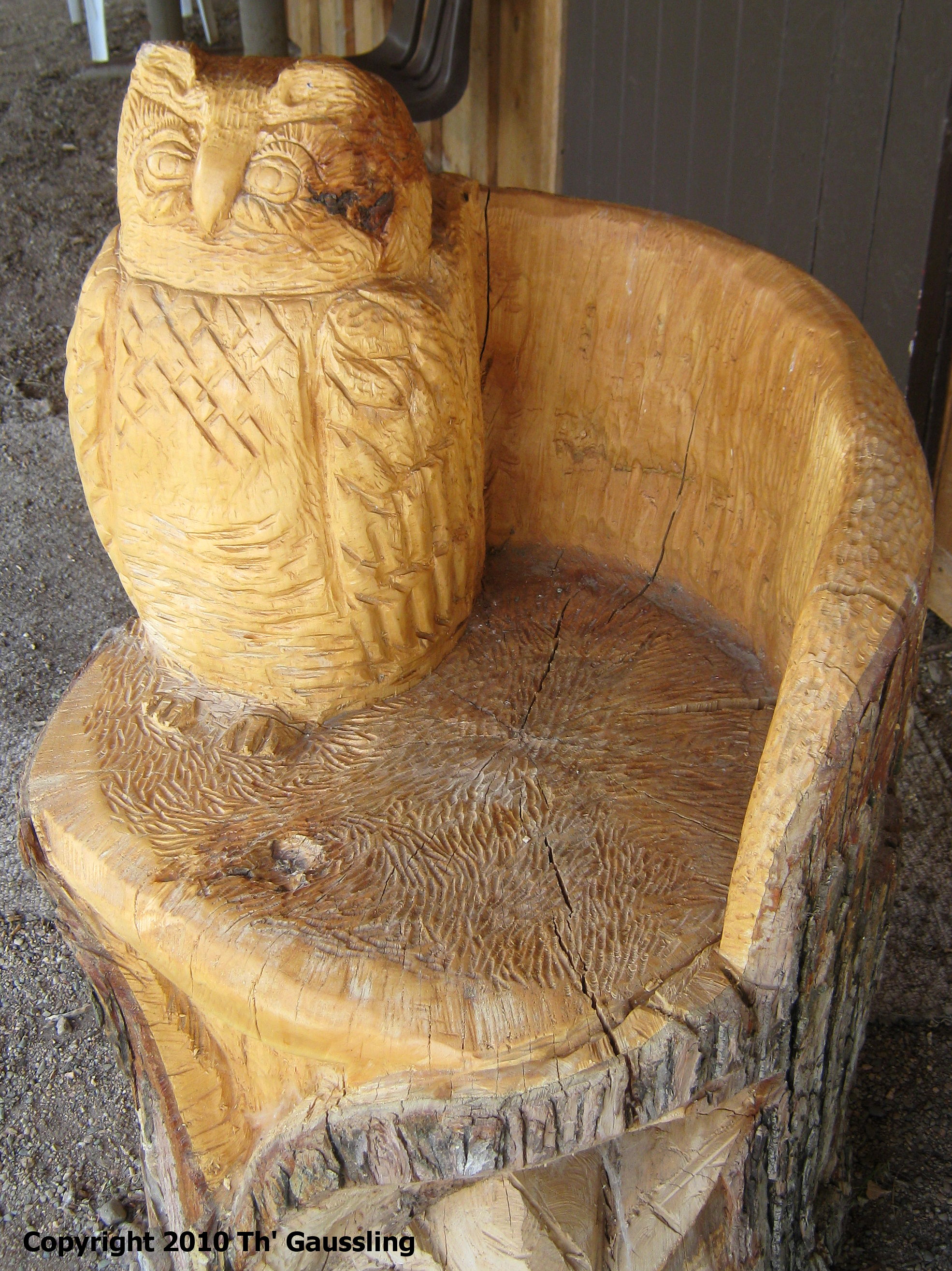
There are plenty of places to sit over yonder at the dance hall. This bit of folk art is there for you to rest your weary feet.

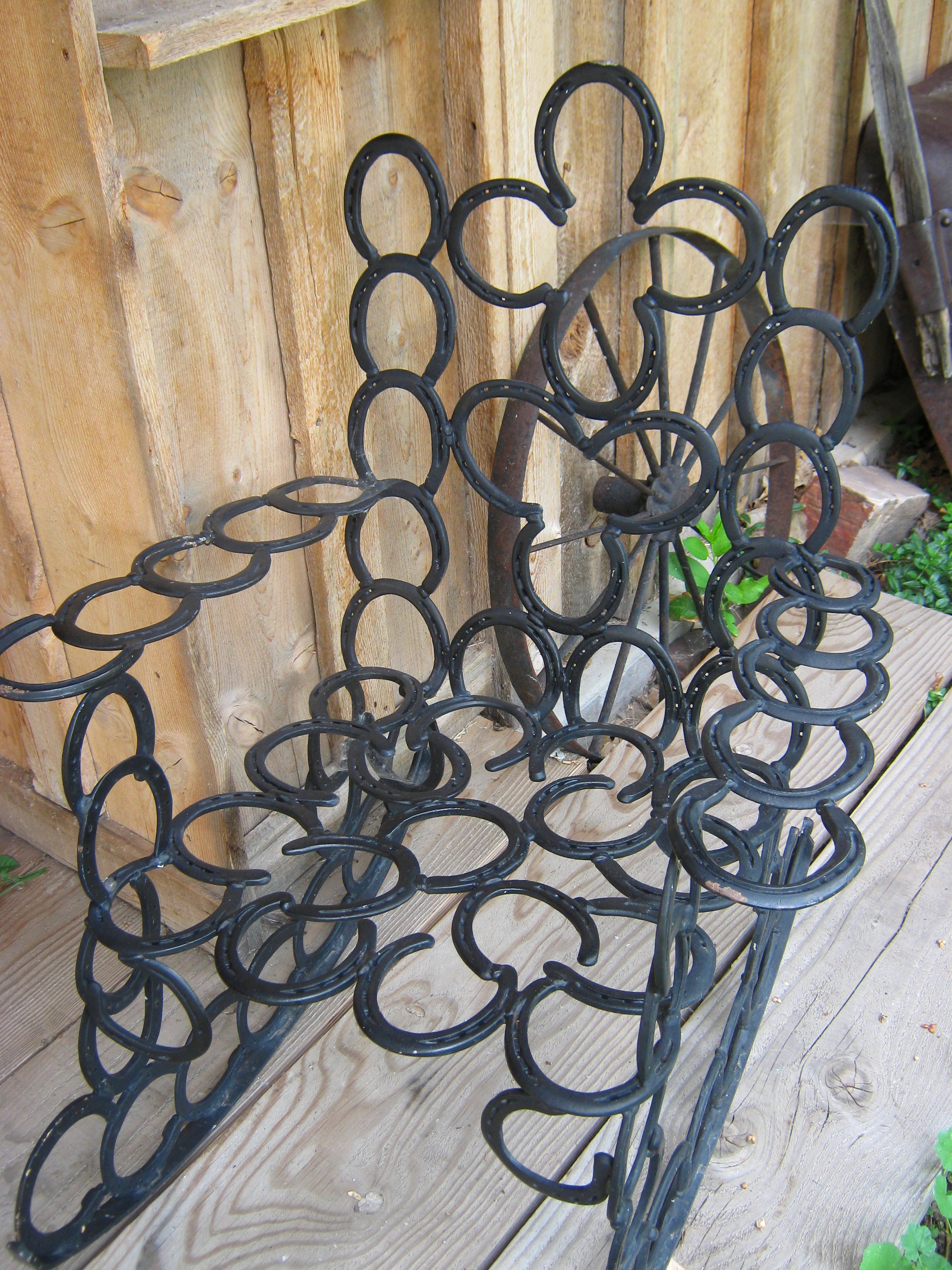
Of course, if you give an arc welder to a rancher, there is no telling what he’ll come up with.

Lucky Horseshoe Chair

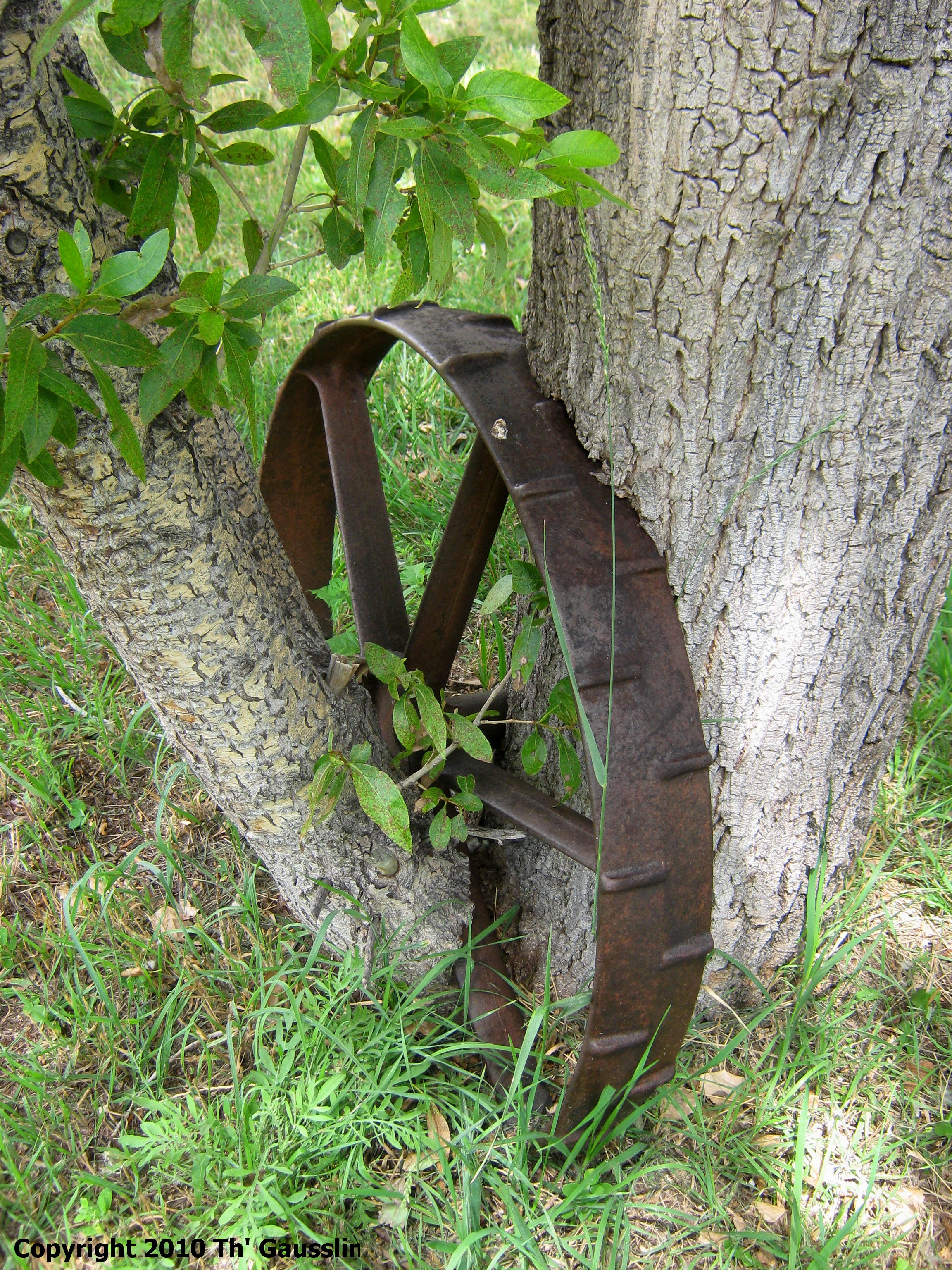
There is much to be learned from a day on the ranch. For the keen observer, metaphors abound. While a rolling stone gathers no moss, a standing wheel gathers a tree.

What happens to all of us when you quit moving

Process development and struggle

One of the hazards of having a degree in chemistry is the appealing idea that you can explain everything and predict everything on the basis of textbook notions on solubility, electronegativity, pKa’s, or molecular orbitals. These are important things to be sure. But in the field, the recall of knowledge isn’t always enough. More often than not you have to collect data and generate new knowledge.

Rationale of a result on the basis of hand waving and a few reference points can seem compelling in a meeting or brainstorming with a colleague to understand a problem. But in the end, nothing can top having solid data from well conceived experiments.

My chemical “intuition” have proven wrong enough times now that I am deeply skeptical of it. After prolonged periods of absence from the lab I find myself resorting to a few cherished rules of thumb in trying to predict the outcome or explain the off-normal result of a process.

In chemical process development there is no substitute for running experiments under well controlled conditions and capturing solid results from trustworthy analytical methods. It is hard work. You may have to prepare calibration standards for chromatographic methods rather than the preferred single-transient nmr spectrum  in deuterochloroform.

We’re all tempted to do the convincing quick and dirty single experiment to finesse the endpoint. Certainly time constraints in the manufacturing environnment produce an inexorable tilt towards shortcuts. But in the end, depth of knowledge is only had by hard work and lots of struggle in the lab. The most important part of science seems to be to frame the most insightful questions.The best questions lead to the best experimental results.

An involuntary grunting reflex

Make magazine is one of my very favorite publications. It’s made for hillbilly engineers and aspirants like myself.  Their Maker Shed Store offers kits as well as plans for making all sorts of cool gadgets. Check out this Berliner Gramophone kit and this vacuum tube radio kit.  

Kit building and garage engineering are important activites for aspiring young scientists. We senior scientist types should be on the ready to mentor local high school students in their bid to learn about technology from the ground upwards.

Electronic experience is invaluable to all experimentalists- physicists, chemists, geologists, biologists, etc- and is a subject of lifelong utility. Many students do not have peer groups or family members who can help them get into this subject.

As a junior high school kid, I worked on TV sets (tube electronics) and acquired some electrical and mechanical ability in doing so. I actually fixed a few problems, surprisingly. A family friend had a TV repair shop (remember those?) and as a result I had a steady supply of TV chassis to take apart for my collection of parts like potentiometers and variable capacitors.

Like most kids rippin’ stuff apart and eyeing the construction methods I gained valuable electrical insights and personal experience with electrical current.  Like the time I discharged a picture tube through my hand while trying to remove a flyback transformer from my grandparents color TV. It was great lesson in capacitance and isolated static charge. As my grandparents sat on the Davenport and watched, they heard a sudden and involuntary grunting noise burst from my mouth as I hurled myself from a squatting position by the opened console TV set and backwards across the room. I probably absorbed more joules of energy from landing on my backside than the joules absorbed by my hand. Luckily I was not burned. The next day I learned how to properly discharge the aquadag in the picture tube.

It is nothing at all like tangling with an vicious animal who might stand there after the altercation spent and panting, wondering in its little badger brain how to tear an even bigger chunk out of your leg. A discharged electrical appliance bears the same silent affect before as afterwards. It’s wicked electrons are inanimate and unparticular in their singular drive to find ground. An unexpected jolt from a device is much like a magical experience. It comes from nowhere and everywhere and is over in the blink of an eye. Afterwards you stand there in shock and awe of the effect of even modest amounts of energy.

The impulse to do science is also the impulse to find boundary conditions of phenomena. Where are the edges? How does it switch on or off? You have to be willing to leave some skin in the game to find out about things.