Author Archives: gaussling

About gaussling

Gaussling is a senior scientist in the chemical business. He occasionally breaks glassware, spreads confusion and has been known to generate new forms of hazardous waste. Gaussling also digs aerospace, geology, and community theatre.

Virgin Galactic’s 200 k$ Shuttlecock Ride

Pack your bags, boys and girls. Virgin Galactic is going to display their SpaceShipTwo at the upcoming AirVenture show in Oshkosh.  For 200 k$ you can strap a reusable rocket plane to your backside and take a suborbital flight. The AirVenture website has an animated video of a flight that is worth seeing. (The animators left out the floating vomitus that is sure to be a part of the experience.)

The designer and builder is none other than Burt Rutan’s Scaled Composites. This second generation suborbital vehicle uses the same reentry stabilization scheme that the first vehicle used. The lifting craft has 4 engines- two outboard of each of the twin fuselage sections. It has 4 engines instead of two to protect against the undesirable situation of loss of thrust from one side of the plane. With the engines so far from the centerline, the asymmmetric thrust that would result would make the plane difficult to fly.

The space vehicle is carried to a suitably high altitude (ca 50,000 ft) for release followed by an 80 second boost from the rocket motor. The boost phase sends the craft into a suborbital arc carrying the craft to a projected 361,000 ft peak altitude.  The passengers are treated to a period of weightlessness between the moment the rocket motor quits and when the reentry phase begins to encounter significant atmospheric drag.

At some point after the boost is complete, the tail booms pitch into an elevated position quite far from the centerline of the craft. The craft has reaction motors that stabilize the flight attitude during the phase in which the aerodynamic control surfaces are ineffective.

The reentry attitude is one in which the underbody of the craft faces in the direction of motion so as to provide maximum drag. The elevated, or “feathered” tail elements serve to stabilize the motion of the craft as it accelerates belly first into the ever thickening atmosphere.  The stabilization that the feathered empannage provides is much like the stabilization afforded a shuttlecock.

The feathering configuration helps the crew manage the kinetic energy developed during reentry to the atmosphere. The scheme includes a deadstick landing, so energy management is quite important.  Eventually, the tail booms retract to the in-line position and the craft transitions to a gliding condition with conventional flight control surfaces.

A critique on scale-up suitability

In my quest to stimulate bench chemists to think like industrialists, I like to bring examples of chemistry from the literature to highlight a point I’m trying to make. The literature is full of transformations and research that serve as positive and negative examples of good scale-up thinking.

There are examples, however, that are less than choice in terms of green processing or good scale-up thinking. As I have said previously, green chemistry and good scale-up principles may not be equivalent concepts, but they can and often do run in parallel.

An interesting transformation is featured in the recent article entitled Efficient 1,2-Addition of Aryl and Alkenylboronic Acids to Aldehydes Catalyzed by the Palladium/Thioether-Imidazolinium Chloride System, by Kuriyama, Shimazawa, and Shirai, J. Org. Chem., 2008, 73, 1597-1600. [My apologies to the authors for their unanticipated role in this analysis.]

In this article a bond forming reaction between 1.5 eq of a boronic acid and 1.0 eq of an aldehyde is described affording a secondary alcohol. The transformation is catalyzed by 0.5 % Palladium allyl chloride dimer with 1 % of a custom imidazole carbene precursor in the presence of 2 eq CsF as base. The reaction mixture is heated to 80 C in dioxane and the chemistry is reported to be over in ca 20 minutes.

I am somewhat reluctant to be critical of chemistry that is done catalytically and is high yielding. But this transformation, solid science though it may be, would be difficult to justify taking to scale-up without an examination of alternative schemes.  Let me explain my thinking.

First, on the basis of atom efficiency alone, this process requires that a lot of different elements find their way into the pot. The tally is C, H, N, O, Cl, B, Pd, Cs, F, and S to just make a C-C bond to produce a benzyl alcohol. A scale-up chemist would have to ask, why not use a Grignard and the aldehyde? Granted, there may be incompatible functional groups on either Ar1 or Ar2 that would not tolerate a Grignard reagent. However, it is worth pointing out that the conventional way of making boronic acids is by addition of a boronic ester or fluoride to RMgX or RLi followed by hydrolysis. Compatibility is an issue there as well.

One might object that many of the diverse atoms used in the reaction are at a catalytic level and as such may not constitute a major cost or environmental insult. True enough for the user of the process. But the metal complex must be manufactured somewhere at a larger scale for distribution. Pd mining and beneficiation requires energy inputs and generates wastes. The same idea applies to the imidazolinium salt.

The reaction does seem to require 1.5 equivalents of boronic acid and 2 equivalents of cesium fluoride. Boronic acids are specialty synthetic intermediates whose manufacture generates its own waste stream. Furthermore, boronic acids can be on the expensive side. The use of a boronic acid as a latent nucleophile for a straightforward addition to an aldehyde seems somewhat extravagant.

Cesium fluoride residues (2 equivalents) will find their way into the aqueous waste stream and possibly to an incinerator where the solids may end up in roadway pavement or a landfill. While fluoride is an efficient base in this case, common sense suggests that carbonate may have a more benign fate in the environment owing to the fact that it decomposes to water and CO2. Unfortunately, the best yields are with cesium as cation.

Chemists seeking to apply this kind of coupling chemistry would be well advised to be extra careful in their IP diligence. The use of metal catalyzed coupling reactions may already be patented or applications may be pending for patents. The same comment applies to the use of imidazolinium carbenes. Industrial chemists would be well advised to look deeply into the carbene species for process and composition of matter claims. Ever since the Bayh-Dole Act, university patents have been popping up like dandelions.

I do not want to be too critical of this chemistry. It is an interesting transformation and certainly may be of use for some kind of product. But for scale-up, at first pass it seems too far from earth, air, fire, and water. I would say that for maximum profit, this process is more of a Plan B or Plan C scheme.

Mt. Kraznydang Climbers Perish in Avalanche

5 July, 2008. Boulder, Colorado. The climbing community mourns today as the recovery of six bodies continues from the 2008 Mt Kraznydang expedition.  A makeshift morgue was set up in the capital city of Bleeny, in the Zapore Islands off the Kamchatkan coast near Gnoyniechok, Siberia. The international climbing team was lead by Gon Anandachopbalmanchoda, well known Thai explorer, climbing apparel designer, and raconteur.

Mt Kraznydang is the tallest mountain in the Podguznik range in the volcanic Zapore island chain. Also known as Stalin’s Carbuncle, 33,459 ft Mt Kraznydang has resisted several attempts at its summit since its height was revised in 2005 by satellite radar, making it the second tallest peak on earth.

The Anandachopbalmanchoda team was reportedly near the summit when an earthquake loosened a bank of snow, bringing the team careening down to the 9000 ft level in the avalanche. The last radio transmission was from an unidentified climber who exclaimed ” … Oh, for Petes sake!! … Son of a(garbled) … refund! (static)….”.

Bleeny is the Sister City of Boulder, Colorado. Services will be held at the Podguznik Mountaineering Center on the Pearl Street mall. Donations are appreciated.

Dinner, a movie, and fireworks

It is our custom to view the fireworks show from a certain spot. It is not the best possible spot for viewing. It is a very convenient spot, however. Th’ Gaussling has a deep aversion to crowds. Near the local fairgrounds where the fireworks are launched is a movie theater. We park near a grassy spot and then go to the 7 pm showing so that, when the movie is over, we just stroll out to the grassy spot and wait 15 minutes for the fireworks to begin.  Last nights movie was “Hancock“. 

My subjective and after-the-fact test for the value of a movie is this binary criterion- is it worth a regular admission ticket, yes / no? In the case of Hancock, I would say yes to the ticket. I would caution that it may not be worth an additional US$14.75 worth of soda and popcorn.

On the other hand, I would say that Wall*e is worth both the price of a ticket and an obscenely priced coke from the snack bar. But continue to sneak in the Milk Duds.

From NIMBY to BANANA

The 2005 government report entitled Peaking of World Oil Production: Impacts, Mitigation and Risk Management, by Hirsch, Bezdek, and Wendling, is a sobering tally of the current picture of oil production and consumption in the world today. Often referred to as the Hirsch Report, the authors take a “now shot” of the global oil production scene and speak directly to the matter of mitigating the approaching economic disruption that must usher an unprepared nation into a future of peak and declining oil production.

If you read the Hirsch Report and pay attention to current events, you may be gripped by a kind of cognitve dissonance, or a haunting sense resembling a schizophrenic episode of contradictory voices in the collective consciousness.  While the global warming showboat is paddling up and down the Mississippi blowing steam and calliope music, nationalized oil producers are failing to answer calls for increased production in reply to a dramatic ramp-up in petroleum demand. Some call for increased exploration and others call for drop in replacements for petroleum. All the while, evidence accumulates that the ecosystem suffering from consumption and waste generation.

As with any discussion involving economics, it is possible for people to speak imprecisely when discussing supply and demand. Econobrowser takes Hirsch to task in this manner. It seems that many of us confuse demand with desire.

Supply equals demand today, supply will equal demand in 2025, and supply will equal demand in 2050. Whatever Hirsch means by “peaking of world conventional oil production,” it certainly isn’t the condition that “production will no longer satisfy demand.”

Our news media, now almost fully morphed into a perverse mix of gibbering Bill O’Reilly clones and entertainment news programming, prattles endlessly about the hurtful gasoline prices and truncated vacation plans. Government makes flatulent noises about more drilling, but hardly a peep about reduced consumption.  Where is the journalist corps? Who is asking the tough questions?

In isolation, either climate change or an exponential oil shock are more complex than nimrods leaders in the Bush administration can process. Together, these stresses add up to a major challenge to the way we live.  Maybe the situation is more complex than any nation can reasonably respond to. With global prosperity comes global demand for resources.  Western nations have built a house of cards based on cheap petroleum. Instead of wage growth in the past 20 years, we have been given easier access to credit. Instead of increased savings, we have found ways to burn up discretionary income.

A major part of what has to happen to adapt to the new reality of petroleum scarcity is a remodel of our infrastructure. We need more passenger rail lines and terminals with the necessary right-of-way issues taken care of. Workers need to live closer to their place of employment. The airlines have to figure out how to operate profitably with reduced passenger miles. We must upgrade our electric power distribution system to accommodate the increasing reliance on electrical energy. If wages do not change, we must adapt to having less discretionary income to spend. 

But a remodel of infrastructure will require that we adapt to living nearer to it. In the past, a proposal to build a power plant is met with a chorus of outrage or “concern”. It used to be called NIMBY- Not-In-My-Back-Yard.  The latest acronym is BANANA- Build-Absolutely-Nothing-Anywhere-Near-Anything. New power transmission lines and generating plants will have to go up and it will have to happen somewhere. People naturally fret about real estate prices and their view from the dining room window. I foresee more exercise of eminent domain in the future.

July 4th, National Explosives Day

The one day of the year when it is acceptable to discharge fireworks and openly show a fascination with all things pyrotechnical is July 4th, National Explosives Day.  This day of national deflagration and detonation comes only once per year outside of Disney themeparks.  For our pious environmentalist friends, there is even a green fire available for a more righteous, earthy, celebration.

How to pass organic chemistry

WordPress shows the blogger what search terms lead the searcher to your blog. One of the searches that lead a reader to this blog was “How to pass organic chemistry”.  Here is my answer-

Don’t get behind. Study study study study study study study study study study study study do the problems study study study study study try to enjoy it a little study study study study study study study study study study study study study study study study study study study do the problems study study study study study play racketball study study study study study study study study read the chapters 3 times study study study study study study study study study study study study study study study understand exactly what the problem asks study study study study study try to enjoy it a little study study study study study study study study study study study study study study study study study study study do the problems over again study study study study study try to enjoy it a little study study study study study study study study go back and scan an earlier chapter study study study study study study study study study study study study study study study study study study study take a few breaks study study study study study study do the problems study study study study study form a study group study study study study study study buy the solutions manual study study study study study study study study study study study study study study study study study study study study study study study study study study do the problems again study study study study study form a study group study study study study study study study study study study study study study study study study study study study do mechanisms on a blackboard study study study study study go dancing study study study study study study study study read the chapters 3 times study study study study study study study study study study study study study study study buy a model kit study study study study study try to enjoy it a little study study study study study study study study study study study study study study study study study study study find a girlfriend study study study study study try to enjoy it a little study study study study study study study study learn to draw structures using perspective study study study study study study study study study study study study study study study study study study study study study study study study study study study take a pottery class study study study study study pay attention study study study study study study study study learn the mechanisms study study study study study study study study study study study study study study study study study study study study study study study study study study do the problems study study study study study try to enjoy it a little study study study study study study study study study study study study study study study study study study study look up the structure of a medicine study study study study study try to enjoy it a little study study study study study study study study read the chapters 3 times study study study study study study study study study study study study study study study do the problems study study study study study go have tacos at 1 am study study study study study study study study study study study study study study study study study study study try to draw 3-D renderings of the structures study study study study study try to enjoy it a little study study study study study study study study read the chapters 3 times study study study study study study study study study study study study study study study study study study study take a few breaks study study study study study study do the problems study study study study study attend a study group study study study study study study learn the mechanisms study study study study study study study study study study study study study study study study study study study study study study study study study study visit the prof during office hours study study study study study try to enjoy it a little study study study study study study study study study study study study study study study study study study study go have beer & pizza study study study study study recopy your notes study study study study study study study study read the chapters 3 times study study study study study study study study study study study study study study study do the problems study study study study study try to enjoy it a little study study study study study study study study study study study study study study study study study study study go out on a date study study study study study push electrons study study study study study study study study summarize each chapter study study study study study study study study study study study study study study study study study study study study study study study study study study study do extra problems study study study study study try to enjoy it a little study study study study study study study study practice drawing structures study study study study study study study study study study study study study study. Get some sleep.

Flying Barn Door

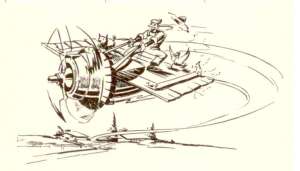
There is an old saying in aviation that “with enough horsepower, you can make a barn door fly”.  A friend recently gave me a copy of Principles of Flying, McGraw-Hill Book Company, 1943, published under the authority of the Bureau of Aeronautics, US Navy. I couldn’t resist posting this graphic from p. 88.  [I hope this comes under fair use doctrine of Title 17 Section 107.]

Cartoon of a barn door taking flight.

The older aviation training manuals were often written in an avuncular voice that would appeal to farm boys. This Navy manual on flying takes the reader through the basics of Naval aircraft construction as well as aerodynamics. Floatplane construction and controls are particularly well illustrated.

My first airplane ride occured when I was 6. We went to a pancake flight breakfast in an airport hangar in Boone, Iowa. There, somebody was giving airplane rides for a penny-a-pound. This was a bargain price even then. I recall that the event was connected with the Flying Farmers.

My father had a pilots license and as did my cousin up the road. Cousin Verlyn had a Cessna 170 tail dragger that he flew from a pasture on his farm. One day on the rollout after landing he rolled into a pool of standing water, flipping it over and bending the main spar. It never flew again.

Though my mother worked on her license, somehow she didn’t take the flight test. This was in the early 60’s and manned space flight was all over the news. Americans were going places and to see my father riding with a friend in his Stearman doing aerobatics over our cornfield could only mean to a small boy that somehow, we could be a part of the big adventure.

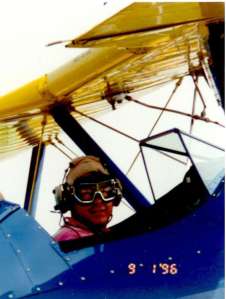
My first and only ride in a Stearman during the Stearman fly-in in Galesburg, IL.