Assigning the stereochemical configuration of a cyclophane or a metallocene is a rare task out there for most chemists. Two classes of molecules, cyclophanes and metallocenes, have flat features that can be tough to assign priority numbers to.
I ran into an organic chemistry resource on LinkedIn that was worth zooming in on. It is a blog called MakingMolecules and it features graphics that give instruction and illustrate most aspects of sophomore organic chemistry. Having taught organic chemistry I know that nomenclature is a favorite topic among students (wink wink, nod nod), especially where stereochemical configurations are concerned. Ah …, if only the world had only chiral acyclic hydrocarbons to name. As we know, there is much, much more than that.
Finding a chiral carbon atom on most simple molecules isn’t that hard. Find a carbon atom with 4 different groups attached and then check for symmetry around it from every direction while you rotate the parts.
If it has rotational symmetry or a plane of symmetry including the atom of interest, then it may not be a chiral “center”. Molecules with a C2 symmetry axis but without a mirror plane can be chiral.
The more difficult molecules to characterize as chiral are those that have unusual rules necessary for an R or S configuration.
It is amazing what you’ll find by just looking around. While reviewing recent blood test results it occurred to me that I didn’t know the first thing about albumin as a protein. A Google word search led to numerous links but provided many images as well. The crystal structure is below.
Source. The crystal structure of human albumin. The albumin was crystallized in the presence of excess palmitic acid for x-ray analysis. Front. Immunol., 25 January 2015, Sec. Vaccines and Molecular Therapeutics Volume 5 – 2014 | https://doi.org/10.3389/fimmu.2014.00682
It is not uncommon to describe the enzyme-substrate complex as a highly specific lock and key structure. In the earlier literature is was axiomatic that enzymes are described as being highly substrate specific and use a single binding site for a given substrate. This notion is not always correct as the above graphic shows. Albumin is produced in the liver and is sort of a molecular ox cart- it can transport many substrates in the blood.
The job of human albumin is to get various substrates mobilized in the bloodstream and offer them at a desirable location. With the high molecular weight of enzymes, and the consequent low molarity available, it is astonishing that the heat of binding of substrate to enzyme can be measured at all.
One way to determine binding enthalpy and stoichiometry of a substrate to enzyme is ITC- Isothermal Titration Calorimetry. These calorimeters are available from several manufacturers such as TA Instruments and Malvern. ITC is just a type of reaction calorimeter that allows for immediate access to the reaction mixture. It is a microscale RC1 in effect. An enzyme solution can be titrated with substrate allowing for a visual determination of an equivalence point where 1 eq of enzyme active sights just matches the titrant equivalents. From such an experiment both enthalpy and stoichiometry can be measured. The image below is from TA Instruments and nicely shows the graphic output of an ITC experiment.
Source: TA Instruments product brochure. Each peak is an aliquot of titrant. Note how cleanly the signal goes to baseline between aliquots.
This graphic shows the baseline signals from titrating directly into buffer. This is subtracted from an actual run. From TA Instruments sales brochure.
Above, the background signal from the buffer represents noise in the enthalpy signal.
TA Instruments also offer equipment for so-called nano scale experiments. See below.
The TA ITC specification table. Note the minimum heat in the low volume column: 0.04 to 0.05 microJoules with a 190-microliter sample cell size.
Albumin is endowed with binding sites open to a variety of substrates. It is like a wheelbarrow or an ox cart. It can ‘carry’ numerous substrates across several categories.
The downside of such low specificity is that albumin can bind many drug compounds at the expense of dose delivery to the desired site. Doses of drugs must be adjusted to account for drug lost to blood proteins like albumin.
Some folks have all the luck. America’s Orange Jesus has been (or will be) offered a Boeing 747 to use in place of the two presidential B747s which had developed an annoying rattle and had to be taken out of service. They are presently parked at Oskar’s Jet Shop and Grill somewhere in the Pacific Northwest. In sympathy to this niggling inconvenience to #47, an old man, the royal family of Qatar has generously stepped forward and offered a super luxury B747 for the Great One for his weekly trips to his many resorts. The B747 will transfer to #47’s Presidential Library foundation where it will remain. Some are saying that it will cost a gigabuck to upgrade it as necessary.
Keeping a third B747 ready to fly at any given moment will be expensive as are the 2 presidential jets now in the shop. In the new B747, the lavatories will have to be reduced in size for the media’s discomfort. Vending machines will be added for feeding the media but will be limited to exact change only. The machines will also offer #47’s trading cards which will include a 5 % discount coupon for his golden sneakers. As always, payment can be made with #47’s cryptocurrency plus a $50 service charge.
As the authoritarian regime of #47 continues to take hold, an increasing number of governments will express fealty and line up to offer something special, which #47 will gladly take and keep, the emoluments clause notwithstanding, found in Article I, Section 9, Clause 8 of the U.S. Constitution. It has already begun to turn stomachs worldwide but others will be attracted to the new ‘democratic dictatorship’ ramrodded by the GOP and led by the Orange Jesus himself. Many people around the world tolerate authoritarian leaders or see them as admirable strongmen. Kick ass and take names, some say. But too often the names aren’t taken or made available to anyone. There is just the ass kicking and transfer to a holding facility. Habeas Corpus? Gone! Evidence of a crime? Nah. Filing an appeal? What, are you being serious?
To the many readers outside the USA, know that a very large number of US citizens are horrified and in serious opposition to #47 and his MAGA movement. However, it seems that the Founders of this country failed to anticipate a situation where a single party rules both houses of Congress, the White House, the Supreme Court, and the governors and legislative bodies of many states. The Founders assumed that the checks and balances between the three co-equal branches of government and built into the government they designed would protect the democratic republic and keep essential government services working. They could not anticipate a simmering populist movement amplified by instantaneous social media. Whereas in times before the internet and smart phones, a large number of disaffected and under-educated citizens in America now have access to media of all kinds and can gravitate towards whatever populism that appeals to them. There seems to be little in the way of concern about truthfulness.
The single party dominance of MAGA in US government means that enforcement of federal laws or procedure will be ignored. The Department of Justice has been slow to enforce checks and balances or just ignore it altogether. MAGA GOP politicians know that endorsement by #47 ensures that they will get votes from MAGA block and assure their political careers.
Roughly 30 % of the voting population will support #47 until their dying day, regardless of his behavior. Resistant to the lessons of history and logic, they are essentially lost to modern times. They are angry from seeing and hearing the hype surrounding modernity and the corrosive conspiracy theories involved. Not having a college education, they missed out on opportunities that open up by living in a college environment. All of the job descriptions and opportunities requiring college education aren’t necessarily posted off-campus and are therefore missed.
Until I entered the university, I was completely unaware of a host of career choices available. I grew up in a rural midwestern blue collar environment and was completely unaware of the various futures available. Many have glorified our rural culture, but I found it quite boring in my years from birth to 14 years. Sure, there are wide open spaces and nature. But the fifth time you wander out into a large pasture you begin to realize that solitude is nice but quite boring.
I was introduced to science and technology by watching the progress of the Apollo moon mission in the 1960s. It was thrilling but there was no one around who could hold a decent conversation about it with me. Basically, if you were a kid into science at that time in my state, you were alone. Just knowing about sciency topics wasn’t enough. It is nice and necessary to have discussions to explore ideas and ask better questions. To share in the wonder and majesty of the universe. That’s not too much to ask, isn’t it?
If you look the chart of elemental abundances in the cosmos below, you’ll notice that beyond hydrogen and helium atomic numbers, there is a steep log-scale drop in the abundances of lithium, beryllium and boron, or just ‘LiBeB’. This is followed immediately by a sharp exponential rise in the abundance of carbon, nitrogen and oxygen, etc. Beyond oxygen there is a general downward trend in elemental abundances. Well, except for iron, Fe. It is a special case related to the demise of stars. The zig-zag in the curve is explained by the Oddo-Harkins rule which postulates that even numbered atomic numbers are more abundant. I’ll leave this to the reader to explore.
Maybe 15 years back I decided to understand why each of the LiBeB elements are so scarce. And, if they are so bloody scarce, then how do they end up concentrated in ore bodies on earth? As a first-order approximation, you’d think that the explosion of stars and the resulting rapid dispersal of matter into the surrounding space would argue against the LiBeB concentrations on a planetary body like earth.
So, here is the question: Given that the cosmic abundances of lithium, beryllium and boron (LiBeB) are dramatically smaller than the succeeding light elements, how is it that “concentrated” ore bodies containing these elements exist on Earth?
Source: Wikipedia. “Oddo–Harkins rule.” Notice that the vertical axis is a log scale.
As I look at it now, the answer is bloody obvious. But when I asked the question 15 years ago, my understanding of hydrothermal activity and fluid movement through the earth’s crust was pretty slim nonexistent. But hey, my focus in college was not astronomy or geology.
The graphic below shows how elements can be grouped according to a few particular categories. It is an absolute tragedy that the Platinum Group Metals (yellow shading) are in such the low abundance. These elements are uniquely valuable in chemical and industrial applications.
An even more fundamental question is, how is it that the cosmic abundances of lithium, beryllium, and boron are so low? Answer: they can’t survive the temperature and pressure conditions in the core of a star. They are fuels and therefore too delicate.
So LiBeB nuclei are produced during cataclysmic stellar explosions by some kind of spallation process, scattering fragments of larger nuclei into space. Another theory claims that cosmic radiation is responsible for the spallation of larger nuclei leading to LiBeB fragments. Subsequent generations of star formation resulting from an accumulation of hydrogen, helium, and heavier elements can lead to a star system with a protoplanetary disc where mass is brought into closer proximity. Mutual gravitational attraction between dust, chunks and aggregations of solid phase matter not already drawn into the star begin over time to aggregate and form planetary bodies. Some of the larger bodies are heated to liquid phase by collisions. Smaller mass objects may remain in the solid phase. Planet or moon sized bodies can collide to produce another planetary body or just debris. A fluid body of sufficient mass will spontaneously alter its shape in the direction of spherical such that all of the mass is as close to the center of gravity as possible. A spherical planet is one in which all of the mass is as close to the center of gravity with minimum potential energy as possible. A flat, disk-shaped body does not. It is hard to say just exactly how a flat planet-sized body would form with only gravity to drive it.
A cooling but still partially molten planetary body will begin to sort its large-scale composition by density and melting point. High melting point materials near a cooler surface will form solid crystalline bodies within the magma and then settle and possibly stratify according to density, then re-melt and disperse and convect to repeat the process. With cooling, the magma becomes increasingly viscous which would be expected to slow down mixing within the magma body. Over a long period, the planetary surface will continue to cool by loss of radiant energy and eventually the surface will crust over. Planetary bodies will accumulate mass by gravitational attraction as they sweep through space in their orbits, adding whatever chemical diversity that may be falling inwards to the surface. It seems reasonable to suppose that infalling dusts, rocks and asteroids are not uniform in their total compositions and may result in a non-uniform, spotty distribution of elements on the planet.
Solidification
Well before the surface cools to the point where a gas such as water can condense to form bodies of liquid water, water vapor in the atmosphere can convect to produce clouds at altitude, releasing latent heat and further adding to the heat transfer from the planet. Eventually, liquid water on the surface of a cooling planet can carry heat energy upward by conduction from the surface and atmospheric convection upwards, releasing the latent heat of condensation as clouds form in the upper atmosphere where it is colder. Heat transferred to the atmosphere will radiate infrared energy in all directions including space. The planet has developed weather.
Source. GIA. Formation of minerals from magma. Minerals with the highest melting point begin to crystallize first, depleting the molten phase of those components. This is fractional crystallization described in Bowen’s Reaction Series.
Solidification processes in a magma begin to spontaneously partition or nucleate into particular combinations of elements. Some groups elements like silicates combine with metals into molecules (covalent bonds and ion pairs). For a period of time on any given crystalline surface, the temperature will support equilibration to and from the magma wherein ionic species will attach to the crystalline surface from the magma. With sufficient temperature, ions can detach from the surface and diffuse into the magma. This process will continue as the temperature drops freezing the magma and suppressing diffusion.
Bowen’s Reaction Series summarizes trends in the order of melting/freezing of various classes of minerals with temperature in magma. From location to location, the composition of magma is variable where some may be silicate rich and others silicate poor. That melting/freezing points of minerals vary with composition shouldn’t surprise my chemist friends.
Graphic: Shamelessly and laboriously redrawn by Sam Hill.
Reaction selectivity is driven by the sign and magnitude of Gibbs energy in a particular transformation and the ability of the combination process to be reversed at the local temperature. The formation of crystals or their dissolution in hydrothermal fluids or magma is taken to be a type of reaction. Many of the species present at magma temperatures will be ion pairs.
A few covalent species like the highly stable Si-O bonds in silicates are found in great abundance. The O of Si-O may or may not be connected to other silicon atoms such as … -O-Si-O-Si-O-Si-O-Si-O- … for examples. There is no upper limit to the number of O-Si groups possible in minerals, though their assembly can go many directions. Quartz is a 3-dimensional network homopolymer. All 4 of the oxygens on silicon are connected to adjacent silicon atoms via the oxygen linkages. Quartz is a mineral comprised of all covalent bonds. Quartz has a much higher softening temperature than manufactured glass.
Silicon readily forms tetrahedral connections with oxygen as in silicate (SiO4)4- units. Si-Si bonds are not found in nature.
In a hydrothermal fluid solution or in magma, ionic species randomly diffuse, collide or swap partners. Charged species like iron (2+) cations can collide but will bounce apart owing to their like positive charges. But at a sufficiently low temperature, a sulfide (2-) anion can collide with the oppositely charged iron (2+) cation and remain connected as iron sulfide. The two ions are now chemically bonded and in doing so, heat is released and dispersed into the surroundings leading to a localized increase in temperature. Heat spontaneously flows from high temperature material to lower temperature material. The localized heated surrounding crystallizing minerals can keep dispersing the energy outwards, but as it encounters more mass which also absorbs heat energy, the resulting temperature rise diminishes rapidly as the energy is diluted over more mass.
Chemical transformations have two broad drivers- kinetic and thermodynamic. Kinetically driven transformations favor the pathways that are the fastest Thermodynamic transformations are equilibrium-controlled meaning that transformations that are reversable will favor the end state having the lower Gibbs energy. The Gibbs energy (ΔG) combines the heat of reaction (enthalpy, H) minus the entropy (S) times the absolute temperature (T). The entropy accounts for whatever heat energy may be gained/lost from/to the environment. When a bond forming reaction occurs, heat is released and moves into the environment.
Mineral nucleation starts with a microscopic “seed crystal or compatible surface” that will provide a template to further crystal growth by like molecules. Some combinations of elements will begin to polymerize forming high melting point, low solubility molecules comprising silicates and aluminates.
The concentration of the Li or Be or B into what would later become economic ore bodies is driven by the flow of ground water. Subsurface hot water flow in the crust is referred to as hydrothermal flow and from it is where concentration of the LiBeB begins. An ore body is a mass or formation of rock that is enriched in some particular element or group of elements. Usually, these elements are part of chemical compounds rather than pure elements. Gold would be an exception.
Definition- Minerals and Rocks
Mineral– A solid substance with a well-defined chemical composition and characteristic crystal structure.
Water, and especially hot water under pressure, will chemically alter the rock it is in contact with. While it is in contact, some fraction of the altered rock will dissolve and some components may be entrained as suspended solids in the fluid. This will extract and partition part of the altered rock into a solution with a range of possible compositions depending on solubility, pH, temperature and pressure. In this way, elements get partitioned into solution phase and away from the solid phase.
Source: Wikipedia. This diagram shows felsic magma as the heat and mineral source. Felsic magma is enriched in the lighter elements like silicon, oxygen, aluminum, sodium and potassium. Because of the enhanced presence of silicates and aluminates, the magma or lava tends to be more viscous.
Hydrothermal solutions can sit in place for a very long time, eventually saturating with mineral components. If there is cooling in place, the saturated solution can precipitate to form a solid body of mineral filling the local spaces. The deeper the fluid, the warmer it will be and likely the slower it will cool. However, if the surrounding rock is porous or develops fractures or faults, the hydrothermal fluid will flow to the zone of lower pressure. If the flow is into a cooler zone, there may be precipitation of the least soluble components leading to solid mineral formation. Precipitation can also occur from a drop in pressure.
Solubility vs Temperature vs Pressure Example with Quartz
The effect of temperature and pressure on precipitation of silicate can be seen with the beautiful pressure/temperature/solubility relationship shown below. For instance, we can see that for temperatures at or below 150 oC, there is very little change in solubility of silicate with increasing pressure. On the higher side of the temperature scale at 350 oC, we see that there is a considerable solubility change with increasing pressure. At high pressure, say 700 MPa, the solubility of silicate is most sensitive to changing temperature.
Source: For educational purposes only. Williams, Randolph; Fagereng, Åke Fagereng, The Role of Quartz Cementation in the Seismic Cycle: A Critical Review, March 2022 Reviews of Geophysics 60(1), DOI:10.1029/2021RG000768
The research article above cites the solubility of SiO2 in mg/kg water, or ppm. I am using the term silicate indicating hydrated and charged SiO2, the SiO4 tetrahedral form, which is known to dissolve in water. It is common in some of the geological literature to refer to the neutral oxide form of a mineral or metal.
SiO2 is often observed in its amorphous or crystalline topological polymer (or network polymer) form as a quartzvein, pegmatite or crystalline mineral component of a felsic igneous rock. Quartz found in a vein is there because a fault or fracture was available for filling with a hydrothermal fluid. As the curve above infers, saturation and precipitation can be abrupt with a sudden drop in pressure during a fault movement or sudden opening of a fracture network. Quartz veins are often accompanied by metallic gold in the upper oxidized zones (gossan) of the formation. In the context of mining, these veins are sometimes called quartz reefs.
Back to LiBeB
Although LiBeB elements are scarce, there are hydrothermal processes in the crust that can concentrate them in economic quantities.
An excursion into ore geology shows that selective hydrothermal extraction and transport are critical to the formation of a great many types of ore bodies. In fact, all three elements of LiBeB are moved by hydrothermal fluid transport on Earth at some point.
Lithium
Lithium metal is quite reactive and not found on Earth in the neutral metallic state. It is a single-electron donating Group 1 element and the lightest atomic weight metal of all the elements. Lithium has a large standard reduction potential of -3.05 Volts and is an excellent donor of electrons and a poor acceptor of electrons.
Lithium metal reacts with three major components of air: water, to form LiOH + H2; Oxygen to form Li2O + Li2O2 + H2; and nitrogen gas to form NLi3, lithium nitride. While other air-reactive metals can be stored under a hydrocarbon like kerosene for protection, lithium will float in these liquids and may be mixed with a heavy hydrocarbon or grease to keep it covered.
Lithium deposits can be split into two general domains- brines/muds/leachates, and hard rock deposits. Spodumene is the common hard rock source of lithium found in a few places around the world. Spodumene is lithium aluminum inosilicate and has a few variants such as Hiddenite, Kunzite, and Triphane coming from trace elements present in the surrounding rock.
The Silicate Zoo section is a bonus feature and may be skipped.
Bonus: A Step into the Zoo of Silicates
Spodumene is an inosilicate. Silicates as a group make up 90 % of the Earth’s crust. The basic unit is the tetrahedral [SiO4]4- silicate with 4 oxygen corners of the tetrahedron. These are known as ortho- or nesosilicates. The 4 minus charges are balanced by 4 plus charges provided by one or several metal cations at a time. Orthosilicates are the simplest variants of silicates.
A basic silicate ion, (SiO4)-4 with cations omitted. Graphics by Arnold Ziffel.
The corner oxygen ions of silicate can be attached to the silicon of another silicate. These are called the sorosilicates and have the formula [Si2O7]6−.
A sorosilicate ion, (Si2O7)-6 with cations omitted. Two silicates sharing an oxygen. Graphics by Arnold Ziffel.
Silicate units can also form rings called cyclosilicates. The rings consist of silicate tetrahedrons with alternating linkages of silicon-oxygen atoms. The general formula is [SinO3n]2n−.
A cyclosilicate, (Si3O9)-6 with cations omitted. Commonly called ‘D3’ when pendant oxygen atoms are replaced by CH3. Graphics by Arnold Ziffel.
There are several varieties of inosilicates. As a group they link silicate units into interlocking chains. There can be a single chain (pyroxenes such as spodumene) or two (amphiboles such as asbestos). The single chain inosilicates have the formula [SinO3n]2n−. The double chain inosilicates have the formula [Si4nO11n]6n−.
Monomeric silicates can polymerize along 1, 2 or 3 dimensions and by 1 or 2 connections to other tetrahedral silicates through the sharing of oxygen atoms. Graphic: Libretexts.
Phyllosilicates are sheet structures of silicate and have the general formula [Si2nO5n]2n−. This group includes micas and clays.
The tectosilicates are 3-dimensional frameworks and have the general formula [AlxSiyO(2x+2y)]x−. Note that aluminum may be present. This tectosilicate group includes quartz, feldspars and zeolites.
If you look at all of the general formulas, note that the negative charges must be balanced with positive ions (cations) of some kind. They are typically metal cations that vary in positive charge and ionic radius, although they can be capped off with hydrogen. A metal cation with its positive charge and ionic radius can be most easily replaced by a different metal with the same charge and similar ionic radius. Different charges and ionic radii are possible replacements but cause distortions in the lattice structure.
Minerals can form such that a silicate [SiO4]4- unit can be replaced by one or more aluminate (AlO4)-4 units and the metal counterions can be substituted by other metals of the same charge and similar ionic radius.
Back to Lithium
A growing fraction of lithium exploration and production involves lithium brines. Subsurface brines enriched in lithium (up to 0.14 %) can be pumped to the surface and exposed to sunlight in large evaporation ponds. Brines are saline solutions comprised of numerous soluble ionic substances. The lithium component must be isolated to a specified level of purity prior to sale. The most common product leaving a lithium mining operation is the insoluble lithium carbonate.
The process of concentrating a mineral from the ore is called beneficiation. An ore is comprised of the target mineral and gangue or mine waste from previous activity. The idea is to use economical physical and chemical methods to remove the gangue from the target mineral.
The largest collection of lithium brine reservoirs, known as salars, is in the Lithium Triangle in Latin America. The countries in the Triangle are Chili, Bolivia and Argentina. This area holds more than 75 % of the world’s lithium resources under their salt flats.
The salar brine is pumped into an evaporation pond and allowed to concentrate in the sunlight for a year +/-, then it is filtered and sent to another evaporation pond for further concentration. What happens next depends on which of the several possible processes is being used. The type of processing that is used depends on few things: The composition of the ore and interfering substances present; the company may have in-house technology they can adapt; there may be patent constraints in force; the process economics will apply considerable effects on equipment size and required annual throughput.
Source: Google maps. The Yanacocha gold mine owned by Newmont. The curved features are evaporation ponds taking advantage of evaporation and subsequent concentration of the brine by solar energy. This process is fractional crystallization, precipitating the least soluble ion-pairs in the presence of more soluble ion-pairs. An ion pair is defined as XmYn, where X is a cation of variable charge and Y is an anion where m and n are numbers such that m times the cationic charge plus n times the anionic charge add to zero net charge.
Economic ore is that resource which can be beneficiated and further refined and sold at a profit. So, the amount of ore that constitutes an economic deposit can shrink or grow with the market price of the product.
A recent development in lithium resources is the Rhyolite Ridge Lithium-Boron Mining Project near the ghost town of Rhyolite, Nevada, and southwest of Tonopah. The mine will be a large scale open pit operation operated by the Australian mining company ioneer. The mining will be carried out in the conventional drill-and-blast, and load-and-haul method. In the beginning the mining fleet will use automated haul trucks.
Even though nature has provided a concentrated lithium ore body, people still have to go to considerable lengths to produce economical lithium product, all the while gambling on the market price in the future.
Beryllium
Beryllium, Be, atomic number 4, has some very useful properties that make it a valuable metal. It is also quite scarce. The world’s richest beryllium deposit is located near Spor Mountain in Utah. The mine is operated by Materion Brush Inc., formerly known as Brush Wellman. The mine is operated by Materion Inc., formerly known as Brush Wellman. The beryllium rich tuff is located by trenching and drilling. Tuff is compacted volcanic ash that has been cemented into porous rock by contact with water flows. The area also contains fluorspar and uranium, separately, in combination with beryllium. Bertrandite (Be4Si2O7(OH)2) and beryl (Be3Al2Si6O18) are the chief beryllium-bearing minerals and fluorspar is a common accessory mineral.
Spor Mountain is located in South Western Utah in basin & range country that extends across Nevada to California.
The above map is from the US Geological Survey and shows 3 extinct calderas in the immediate Spor Mountain vicinity represented in blue. It is interesting that tuff, made from pyroclastic flows and ash where particulates are later cemented together, is the rock in which beryllium is found in the area AND there are 3- count ’em 3 -calderas right nearby. Coincidence?
Source: Google Maps. The red circle shows the location of Spor Mountain beryllium mines in Utah. Closer examination of the mines shows that the mines and roads are bare of vehicles. Nearby, a parking lot with large haul trucks can be seen, but the overall location leaves the impression that excavation of the ore has paused.
Beryllium is a rare element on earth showing up in veins, pegmatites and tuff. In the cosmos its existence is thought to be due to cosmic ray spallation.
“The beryllium tuff is a favorable host for beryllium ore because 1) it is adjacent to faults and rhyolite vents where mineralizing fluids could enter the tuff, 2) it is a porous, reactive conduit for mineralizing fluids, including both hydrothermal and ground waters, and 3) it contains carbonate clasts, which reacted with fluorine-rich fluids to precipitate fluorite and beryllium.” Source: USGS, 1998
Source: USGS, 1998. A rare showing of Be ore at the surface. The white band runn9ng diagonally across the image is the ore body. Most Be mining at Spor Mountain is open pit mining.
Boron
We’ll defer to the Wikipedia to provide background information on the element boron. The main source of economic boron is borax. Borax is a type of evaporite originating from hydrothermal fluids that have flowed to the surface where subsequently the water carrier evaporated to afford dissolved and suspended solid borax, a hydrated borate. Boron the pure element is not found, it only appears as set of various borates. There are monoborates, nesoborates, inoborates, phylloborates and tektoborates. The prefixes below are applicable to silicates and other oxides as well. The older Nickel-Strunz categorization system has been used to describe the classification of complex borate anions found in minerals.
Hydrolysis of Borax to boric acid. Graphics by Arnold Ziffel.
The structures of borax and hydrated borax above have been reduced to their minimum hydration. In reality these are idealized structures not reflecting the agglomeration into larger hydrogen bonded structures. Neutral sp2 boron atoms have an empty, low-lying p-orbital which can bond to the O of O-H groups whether from water or other borates.
The actual composition of any oxy-borate including borax will depend on its thermal history and its chemical environment. Attempting to dehydrate a borate may indeed remove water, but in doing so may open up a p-orbital on boron that would allow an exchange of oxygen species, whether another borate, boric acid or just another water molecule. This is not worrisome when producing boric acid, but when one of the OH groups of boric acid is replaced with a carbon atom, then dimerization and trimerization may occur even at low temperature under vacuum to form boronic anhydrides.
When ordering an organoboronic acid, look at the specs very carefully. Sometimes the water spec may be quite broad due to adventitious dehydration. Using azeotropic removal of water will work by toluene azeotropic distillation, but you may not recognize the 1H-NMR spectrum of the toluene solution because this dehydration method may produce the dimers, trimers and oligomers from the original organoborate. In my experience, the anhydrides work very well in the Suzuki coupling.
A trial sample of an organoborate must represent what can actually be made at scale. A lab sample will have an analysis of what a skilled chemist can do under optimal conditions. If the customer wants bulk boronic acid matching the qualifying lab sample, then you may be sunk if you cannot reproduce the sample specs in the plant. Been der, done dat.
When submitting an organoboronic acid to a customer for approval, avoid sending the very best material from the R&D lab. They will spec on that sample and expect to see the same thing from a production run.
In the organic synthesis area that I have been witness to, boron showed up in our lives mostly for purposes of aryl coupling chemistry with an aryl halide, an organoboronic ester and a palladium catalyst. The nomenclature gets confusing with boron species. Borax is a borate because of the B-O-B and B-OH bonds. But KBF4, potassium tetrafluoroborate, has a boron-based anion with 4 fluorides. The -ate suffix does not always mean that oxygen is in the formula. Many anionic boron species have a net negative charge because a group like OH or F brought the negative charge to make a tetrahedral boron. Quaternary borates are often used as a weakly coordinating conjugate anions where non-interference by the anion is needed.
Source: Data table from Wikipedia. Graph by Arnold Ziffel.
Lithium, beryllium and boron are all three transported by meteoric and hydrothermal water flows. When hot, pressurized water penetrates a fault or fracture system, the fluid can interact with whatever rock it is in contact with. Over long periods of time the fluid can corrode the wall minerals of the fault.
In this scenario, water can do several things to the rock. At the atomic level, the outermost layers of a crystal lattice in the mineral may be subject to aqueous hydrolysis making metal hydroxides, MOH, and liberating the anionic X– species from the latticework. Or, the water may just pull unaltered polar species into solution where they can swap ionic partners and either remain in solution or precipitate onto the surface features of the rock. If the hydrothermal fluids are in motion upwards to cooler regions above, precipitation may occur as the fluid naturally cools and depressurizing. Over time, layers of different insoluble material can stack onto the previous layers. This can go on until the void in the rock is filled and can no longer pass fluids through the fractured formation.
Conclusion
Despite the cosmic scarcity of each of the LiBeB elements, these elements may be found on or near the surface of the Earth concentrated as minerals in an ore body. Transport and placement of enriched individual LiBeB ores derives from multiple instances of differential solubility from the source rock to the ore body. Minerals that have more water solubility than adjacent minerals will tend to be transported in aqueous flows. The transported mineral gets concentrated in this way, but so do the minerals left behind. Aqueous flows at the surface can drop out their dissolved minerals as the surface water evaporates. As the surface water concentrates and cools, a sorting process is underway driven by solubility properties.
The original salt ion pair, M+X–, may be extracted into in water and dissociated to produce M+ and X– ions in solution. Other ionic substances like N+ and Y– can switch partners in a double displacement reaction and produce MY and NX. If it turns out that NX has poorer solubility than MY, then the mixture of M+X– and N+Y– will produce a precipitate of NX, leaving much or most of M+Y– in the water. Minerals deposited from evaporation are called evaporites.
Which is more desirable from the manufacturing perspective, the precipitate or the concentrated solution? Not being a mining engineer or an economic geologist, I can only speak as a person from the fine chemical industry. The precipitation of the desired product from a complex mixture seems a bit more desirable in that it is both an isolation and purification process. Often the solids can be washed and dried in a filter dryer and bang, you have your product.
Precipitating out an undesired solid component from a mixture, pure or not, while leaving the desired product in solution with solvent and other side components from the reaction is a bit less desirable. This version is at least another step away. If the product is a solid, perhaps a scheme can be found for precipitating it as well.
Notice: As an organic chemist and not a geochemist I will be using descriptions and vocabulary that may not ordinarily be used in geology. While a geochemist might easily write a lovely article that could bring tears to the eyes of the most sour geochemist, I will stumble forward with just my trailer park chemistry background- organometallic, organic, inorganic, physical and quantum chemistry.
When you step back and view mining technology as a whole, it becomes apparent that two of the largest scale inputs in mineral refining are water and electrical energy. On Earth diesel is also required in large quantities.
A good question for those who propose mining asteroids is this: Have you solved the water and electric power requirements for unit operations? Let’s say it is solved for one mineral. How will the value be mined, transported and gently lowered to the Earth’s surface without breaking into flaming pieces on re-entry or forming a crater in a city? Is there an element or mineral that is so valuable as to justify the costs and risks to be met for a space mining mission? Is it rhodium? Gold? Diamonds? Or what?
Do the people behind the fanciful images and hype believe that they only have to dock with the asteroid and grab valuable minerals from the surface? There is a good chance that the target ore will need exploration, excavation, and possibly some kind of blasting. The target elements may well be dispersed within the host rock. This will require comminution in preparation for further processing. The ore will likely need ore dressing which is the job of removing undesired rock from the valuable ore. This lowers the quantity of ore to be processed.
The rocky bodies in the solar system have surfaces of regolith. Regolith is an unconsolidated jumble of loose rock and dust presumably overlying a solid body. Given that the regolith may well be consist of rocks and dust accreted from a distant source, merely assaying the regolith might not reveal the minerals that could be there in abundance just below the regolith. There is no way around it- core samples will be needed to properly assess the economic geology.
PGM Mining on Earth
A look at the large-scale Platinum Group Metal (PGM) production activity in South Africa is instructive. The Bushveld Igneous Complex (BIC) near Limpopo and North-West provinces contains some of the richest PGM deposits in the world. The BIC is found in the Kaapvaal craton. The BIC also extends into Zimbabwe.
The Bushveld complex is located on a ‘craton‘ which is a section of continental crust that has been stable for 400 million years or so. Over that time period some portion of crust has not been subjected to subduction or rifting as an effect of continental drift. A craton is relatively untouched by continental drift over some lengthy time interval and as a consequence the crustal rocks found in a craton may be quite old. Here, ‘old’ means rock that has not been metamorphosed recently, vented out of a volcano or eroded and stratified in a sedimentary formation within several hundred MA.
The Bushveld complex is found in the Kaapvaal craton of South Africa, extending into Zimbabwe. A consequence of this location on a very stable parcel of continental crust is that vertical transposition of rock formations, i.e., subduction activity, has not led to metamorphism or folding of strata. This stability has allowed a relatively undisturbed magma chamber to form and cool, producing layered cumulates.
The formation of cumulates is a partitioning process within the magma chamber that produces solid minerals that can float or sink within the magma. Cumulates with higher density than the magma will tend to sink, building a layer, and lower density minerals will float to the top of the chamber and form an upper layer. In this way, minerals can self-purify and stratify by fractional crystallization.
While fractional crystallization can result in enhanced purity of specific minerals, the melt from which the crystals precipitate is also changing in composition. Magma is a viscous fluid and its components can undergo anion/cation exchange to produce new minerals upon further cooling. Anions include silicate, aluminate, sulfide, hydroxide, chloride, oxide, and a whole basket of metal oxyanions like titanate, tungstate, molybdate, chromate, etc. Cations include most every metal, sometimes including the noble metals. Every metal has a set of positive oxidation states that may be subject to reduction or oxidation to afford a different oxidation state or charge.
While both anions and cations present in magma have a particular charge, their individual size is important as well. Size and charge matter most when crystals are assembling. When, for instance, a calcium-containing mineral is crystallizing, the crystal lattice is subject to collisions with the whole gamut of species in the magma. If the temperature and pressure are appropriate, calcium (+2) cations nestle into a vacancy in the lattice. This is controlled by the concentration, temperature and Gibbs energy of the placement of the cation. However, if a different cation of +2 charge and similar ionic radius happens by, that different +2 cation may find itself occupying calcium’s place in the lattice. An example would be where the Ca+2 cation was replaced by Mg+2 or Fe+2.
Mineral crystal formation is a type of equilibrium wherein lattice anions and cations at the surface of the crystal are in equilibrium with anions and cations in the melt. The rate of crystallization or dissolution is driven by several things. Substitution of a Ca+2 ion in a lattice with Mg+2 or Fe+2 ions retains the charge balance in the lattice. But if a too large or too small +2 cation attempts to sit in place of Ca+2, a mismatch occurs which may be energetically favorable, but as a result may be much more prone to removal by equilibration. The interloping cation could be of such a size that its heat of formation is small and therefore subject to replacement by equilibration. Or not. The resulting mineral could be comprised of Ca+2 cations and M+2 cations in a non-stoichiometric ratio. Or a new mineral comprising a stoichiometric ratio of both cations.
The anions in a mineral substance can be quite varied and several may exist in a mineral at the same time as in the case of anions silicate and aluminate.
The Stillwater Igneous Complex in Montana, USA; the Sudbury Basin in Canada; and the Norilsk-Talnakh deposits north of the arctic circle on the Siberian Craton.
The Stillwater Igneous Complex in south central Montana, USA. Source: Google Maps.
Image from Google Maps. The Sibanye-Stillwater K3 shaft, South Africa.
Russia is the leading producer of palladium with 40 % of the global market. Norilsk Is also known as a center of non-ferrous metallurgy as well as noble metals. Norilsk Nickel, also known as Nornickel, is a mining and smelting company. Platinum Group Metals (PGM) have been recovered as a side stream of nickel and copper mining by Norilsk Nickel.
Open pit mile near Norilsk, Russia. Norilsk was originally started as a gulag in the far north of Siberia and eventually became a mining community.
The aerospace proponents of asteroid mining should spend some time at an actual mine. Breaking rock and hauling it around is simple on Earth but consider doing this in a vacuum at near-zero gravity. Look at all of the methods of conveyance and processing in operation at a mine that works only in a gravitational field. Blasting, front-end loaders, haul trucks, conveyor belts, crushers, ball and rod mills, flotation and settling tanks, lixiviation in sulfuric acid and several shifts of staff to operate and maintain it. Don’t forget the analytical lab and chemist or the maintenance group.
Proponents will always say that with the right technology, asteroid mining could work. But in the airgap between could and will is the nagging question of why? Maybe asteroid mining is best left to our descendants in the 22nd century.
A human trip to an asteroid, which is always in orbital motion and probably rotating, to mine and return with paydirt for the investors will always be high cost. Bodies outside of the Earth-Moon system will be nearby only for a short time, depending on the orbital period of the asteroid. While our Earth is measurably overheating, the biosphere is disintegrating and political turmoil is rampant on Earth, perhaps we should focus closer to home?
Humanity must stay focused on critical housekeeping activityhere on planet A. Monetizing the outer worlds can wait.
I do believe that eventually somebody will design mining technology to solve the unique problems of mining smaller asteroid bodies with negligeable gravity. Energy dense power sources will be needed to move commercial scale machines and ore. The big problem will be the economics. What mineral is so valuable as to justify the trillion-dollar expense of finding an asteroid with suitable quantities of mineral, up front R&D costs, and beneficiation and isolation of the mineral?
Minerals dispersed in the regolith matrix will need comminution, extraction by lixiviation, floatation, isolation and packaging. Now, we can get it back to earth orbit but then what? Do we just deorbit in the usual way?
Bringing home the paydirt
Let’s say they return 1000 kg (contained) of rhodium valued at todays price of $5400/toz (toz = troy ounce). 1000 Kg contained of rhodium = 32150.7 troy ounces, so 32150.7 toz x $5400/toz = $173,613, 780. However, just the rumor of 1000 kg of new rhodium about to come on the market will drive rhodium prices down. So, $174 million sounds like a lot of money and in a sense it is. But in aerospace and heavy industry, millions are quickly consumed.
Rhodium was chosen for its general scarcity and high price. There is no reason to suppose that rhodium will be more abundant on a given asteroid than on earth so numerous asteroids may need exploration by geologists. Core samples might be needed for the economic geologists to sketch out the size and value of an ore body.
There will be a threshold price of rhodium that must me exceeded before rocket launching and asteroid digging begins. This is how mining works on earth. Until then, the celestial rhodium discovery will just keep orbiting the sun into the future.
An aspect of PGMs is that the very few mines that produce them do so in a unique geological feature on a craton. The mechanism for PGM mineralization in districts like the Bushveld Igneous Complex in South Africa took place in a magma chamber where over time the magma began to cool. Magma gets its minerals from the mantle far below and from the walls of the magma chamber. In subduction zones the subducting crust is pushed downwards causing rising temperatures.
Subducting oceanic crust is loaded with water in several forms. Many minerals are ‘hydrated’ meaning that one or more water molecules are strongly attached to the mineral. These might be called coordinated water. The oxygens are strongly attracted to a cationic feature of the mineral. Interstitial water molecules may be occupying voids in the mineral lattice. Discrete water is only weakly attached and may diffuse elsewhere. Interstitial and discrete water may evaporate readily if exposed to air or heat. At the elevated pressures and temperatures of magma at depth, the three kinds of water are hot enough to flash to steam if the pressure was released. However, as the magma rises to the surface to cooler surroundings and lower pressures, eventually the water will flash to the gas phase moving magma in the direction of lower pressure. Just below the surface the dissolved gases including CO2, steam and SO2 will expand as a gas and push magma to the surface causing a volcanic eruption.
As the magma cools, the substances with the highest melting point begin to crystallize. If the crystals that have a higher density than the magma, they will settle lower in the magma chamber and form a distinct layer. While this layer is building, other minerals will follow in a similar process. The layers of precipitated minerals are called cumulates.
The process of minerals selectively crystallizing and precipitating to the upper or lower zones of the magma chamber. The overall process is called fractional crystallization and layers called cumulates can form. In the photo below are several layers of dark chromite cumulate.
From the Bushveld Igneous Complex. Exposure of cumulate layering of dark chromite. Mining involves following the cumulate layers.
Now that I have expressed my doubts about asteroid mining, I must ask ‘Am I being a Luddite’? Maybe a little bit, but even the doubts of a Luddite can be on the mark now and then. Asteroid mining will be an adventure for a few astronauts, profitable for aerospace contractors and an entertainment spectacle for the public; however, resources seem better used on Earth for remediation of the biosphere, diplomatic solutions for the conflict of the week, lower hydrocarbon consumption and better education, especially in the area of civics.
The whole purpose of mentioning PGM geology and mining in a post titled Asteroid Mining is that we on Earth are fortunate to have concentrated mineral deposits that exist only because of unique geological processes. These processes only work in Earth’s gravitational field. The upwelling of lower density hot hydrothermal fluids. The formation of evaporites rich in borax. Lithium brines.
Take my uranium, please
The formation of cumulates in lava chambers relies on differential density driven by gravity. The ability of rain and snow runoff to mobilize gold sulfides will produce lode gold and placer deposits. The ability of oxygenated meteoric water to oxidize insoluble U4+ to soluble U6+ in sandstone formations to form concentrated roll front deposits. The ability of oxygen to switch uranium oxidation states from U4+ to produce a soluble form (U6+) that can migrate and concentrate leading to the partitioning of U6+/U4+ species. Underground formations of uranium can be dissolved in a solution of sodium bicarbonate by injection and pregnant solutions of the uranium carbonate can be brought to the surface as a solution. This solution is run through a column of ion exchange resin beads which exchange chloride ions for the uranium complex. Once loaded, the beads are washed with a special solution to remove the uranium (6+) concentrate.
Oxidation and isolation of U6+ from U4+. Graphics by Arnold Ziffel.
Our ability to mine and isolate minerals is uniquely enabled by planet earth. The ability of nature to dissolve, mobilize and concentrate minerals into ore bodies from highly dispersed placement in source rock has been positive for humanity. A great many elements are found in a dispersed condition in the continental crust. For some, there are natural processes for concentration. For others, they form secondary minerals that end up mined with the primary ore. A few like gallium, indium and bismuth are valuable but are only available as a side stream from the primary ore. Copper is an excellent example of a primary metal whose ore includes many other metals like zinc and bismuth. Copper can be electro-refined to 99.99 % purity. The slimes left behind after the electrolysis and dusts caught in ventilation systems can be enriched in useful metals and are often collected for processing.
The purpose of citing the large-scale processes in use on the home planet is not to suggest that asteroid mining must start out at large-scale. It would likely start out as a small-scale surface or underground operation with a small crew or with robotics. Only a few select minerals would be economically suitable for recovery. Platinum Group Metals are mentioned above because of their high intrinsic value and ability to exist as the native metal. If luck is with the astro-miners, the motherlode might be easily visible so later the gangue material can be chipped off. The process of trimming ore to retain the value and discard the gangue was called ore dressing. Being quite dense, the volume of PGM metal ore may be low, but the density and mass is quite high.
If a given asteroid has never been part of a larger system with magma and sufficient gravity to force stratification by density, the cumulate model may not apply. A given asteroid having never been exposed to bulk water and consequently never been subject to hydrothermal flows and weathering may not have minerals that here on Earth are known to be formed with water or partitioned as a result of hydrothermal flows. Lake and ocean sedimentary units are almost surely absent as are processes requiring aqueous migration through porous rock as in the case of uranium roll fronts.
Asteroid mining will be a totally new activity and most all of the natural geological processes on earth will have been absent. Many geological processes on earth produce economic ore bodies. These will be largely absent on an airless, dry asteroid.
One thing to consider: Most of the rock accessible at the Earth’s surface is not economic ore. The surface of the Earth brimming with carbonates, silicates and aluminates bound to a variety of ‘ordinary’ metals like calcium, magnesium, iron, sodium, potassium and a handful of other common metals. While there are important and valuable uses for these common metals, they are predominantly found dispersed in surface rock comprised of many individual minerals, or that an ore body is too small for economic recovery.
The fraction of the desired mineral in the ore can be highly variable. Depending on the market, some parts of the ore body may be economical to mine while other parts may not. This is why cores are drilled to locate the 3-dimensional extent of the ore body, estimate the potential value and minimize the expense of digging and processing uneconomical ore.
It seems reasonable to suppose that, just as much of the surface of the earth is covered with rocks made from mineral constituents of low economic value like crushed roadbed rock or sand and cement for concrete use, why should we assume that a given asteroid would be any better endowed with value than Earth’s surface? Asteroid mining will necessarily be preceded by expensive exploration. Obviously, right? But it means that considerable money and time will be spent up front finding an asteroid that is sufficiently ‘pregnant’ with valuable metal ore. Finding investors to fund exploration and mining development today is based on economic geology surveys and signed off by certified experts.
A mine is a hole in the ground with a liar standing at the top. –Attributed to Mark Twain
On Earth many mineral deposits have been located historically by surface exposures that are part of a larger ore body. The economics of isolating any one mineral or metal in the presence of the others will depend heavily on the % concentration of the target mineral, the processing methods available and the market price of the final product. A market downturn can last months, years or represent new long-term realities in demand for the product.
Poltroon University will be hosting the 15th Annual Easter Chemical Parade in Guapo, Arizona, on Sunday, 20 April, 2025. Former Arizona Governor Barbara Hoskins will serve as Parade Marshal.
Advanced dye formulations will be on display coloring the floats and decorating the Poltroon MacGuyver Convention Center. Local manufacturers like Tuscon Anilin und Soda Fabrik (TASF) will graciously provide sparkly rare earth pigments for the youngsters to dye their eggs in a large playground vat.
The fairgrounds will feature entertainment chemistry booths where parents can hold thin layer chromatography elution races of mystery dyes. The fastest elution of the three spots is eligible for a stuffed animal prize. Fire extinguishers are provided.
Another booth will hold fractional distillation races with prizes for the largest heart cut. Contestants must clean their own glassware.
The Klaus Fuchs Uranium Facility will sponsor a uranium Easter Egg hunt looking for a geo-cached easter Egg containing uraninite ore. Playschool Geiger counters will be issued to children over 4 years of age who will search the convention center parking lot for the colorful uraninite eggs.
Theoretical chemist Martin Karplus passed away 28 Dec., 2024, at age 94. Karplus shared the 2013 Nobel chemistry prize with Arieh Warshel and Michael Levitt for their work in “the development of multiscale models for complex chemical systems,” for computer programs they developed in the 1970s.
Those who have studied proton nuclear magnetic resonance will recall the Karplus equation or curve relating hydrogen-carbon-carbon-hydrogen dihedral bond angles to proton-proton coupling constants, 3JH,H, across 3 sigma bonds. If your molecule of interest is conformationally constrained such as an aliphatic ring, and there are coupled protons with the right splitting patterns, integrations and coupling constants, you may have some good data to prove/disprove a proposed structure in Acta Retracta.
The Karplus curve relating dihedral angle to proton-proton (1H-1H) coupling constants. The curve shown is the theoretical curve- measured coupling constants varied from the curve just a bit. Source: Wikipedia.
Newman Anecdote
Seeing the Newman projections above reminds me of the time I met him. It was 1993 and I and a faculty colleague found ourselves trudging through the hallowed chemistry department halls of her alma mater, The Ohio State University. We’re shuffling along when who should we spot working in his lab but the eminent Professor Mel Newman. Newman, who passed away later in 1993, was very near the end of his life then and looked every year of his age. My grad school research was in the area of stereochemistry and organic asymmetric synthesis, so I was naturally enthralled. We stepped in the lab like we owned the place and introduced ourselves. Newman was busy shaking a 2-Liter glass separatory funnel full of some jet-black liquid. We made sure not to startle him and let him set the funnel down into a ring stand before speaking. We exchanged pleasantries and I sputtered out words expressing my admiration and unexpected delight in meeting him- you know, fanboy stuff. He took the time to draw out the reaction chemistry he was performing and the target molecule. As I recall, it was a polyaromatic compound made with carbocation chemistry. Soon, we said our goodbyes and left.
On the way out of Columbus, OH, we stopped at a White Castle’s and enjoyed some sliders. It was a banner day- I met Mel Newman and had my first White Castle slider. It can get better than that, but probably not in Ohio.
For a chemist, the highest award is being recognized as an adjective for something, like Karplus Equation. Karplus made adjective status and that is an accomplishment most of us will never reach.
[Note: This is a much-updated revision of a previous post from March 24, 2023. I’ve brought in just a tiny bit of protein structure and how it relates to opioid receptors- but only slightly. I’m thinking of you, dear reader. I’ve succumbed to my compulsion to include chemistry tutorials in my posts.]
First, a lot of chemists could say a lot of things on this topic. This is what I have to say. This essay is not written for medicinal chemists or molecular biologists. They already know this stuff. This is for everyone else. Learning usually requires an expansion of your vocabulary and this is no different.
When it comes to illicit drug synthesis I’ve always been a bit of a Puritan. As an organic chemist I’ve always felt that it is morally indefensible and a waste of talent for a chemist to make or help make dangerous and illegal drugs. Putting potent, illegal drugs on the market is like leaving a hand grenade in a playground.
For myself and for many others, what is fascinating about drug molecules is how structural features on a drug molecule confer pharmacological effects on biological systems. The molecular-level effects are referred to as a structure/activity relationship, or SAR. The chemical structure of a drug molecule makes all of the difference in how a drug functions. Among the key features are water solubility, acidity/basicity, hydrogen bonding, resistance to metabolic degradation, and the manner in which charge is distributed on the drug molecule. As a reminder, in order for two molecules to react they must bump into one another in a particular way. And not just that, but bump into a particular spot oriented properly and with sufficient energy.
Drug molecules do not swim directly to the site they are intended to go. They must take a random walk through flowing, jostling biofluid molecules and a certain minimum dose must survive the ordeal before they are metabolized, excreted or both. Some pharmaceuticals, called “pro-drugs“, are constructed in a way that relies on the action of metabolic processes to change them into the active drug. This is because they have some kind of chemical vulnerability and must be whisked into the body in disguise. Many drugs are bind to blood proteins and may remain unavailable for their action.
What the protein can do depends in large part on the sequence of amino acids that it is comprised of and how it relaxes into a largish, kinked and contorted chain with helices and pleated sheets. A protein polymer is made of a chain of amino acids that can interact with other molecules or with itself. Some lengths of a protein may lie flat and be somewhat rigid while other lengths may coil into a helical form. A protein molecule made of these features can then bunch up into a wad of protein that holds a particular shape. Along the surface of this shape are bumps, folds and crevices. In these places, there may be exposed amino acids that can attract acidic or positively charged parts of a molecule. Other spots may attract basic features like nitrogen with its lone pair of electrons. Still other places will attract molecular features with poor water solubility or just low polarity.
Drugs are used to activate or inactivate the function of a protein. Living things use proteins in several ways. In the case of drug action, proteins are large chemical structures that can make or break chemical bonds. proteins that do this can do it catalytically, that is, one enzyme molecule can perform its function repeatedly. That’s not all. There are features along the length of a folded enzyme chain that can attract, bind and even deform a molecule that is bound to it. In doing so, a chemical transformation can occur at physiological temperatures that might otherwise occur only under more chemically forcing conditions. This ability of enzymes is crucial to life itself.
Another function of proteins is the ability to change their shape to open or block the passage of smaller ions and molecules through it. The cell walls in our body consist of a double layer of fatty, detergent-like molecules that are water repelling on one side and water attracting, or ‘hydrophilic’, on the other. The water repelling, ‘hydrophobic’ side consists of a long chain of 2 or 3 hydrocarbon chains that comingle with one another.
In order for a drug to function it must bump into the target biomolecule like an enzyme (protein) and at a particular location on the enzyme. Some drugs may remain unchanged and just spend a lot of time bound to the active site of an enzyme, preventing the intended biomolecule from doing so. Others may permanently bind to a protein or other molecule, thereby blocking it from doing its job for the life of the enzyme. And others, like aspirin, may leave behind a fragment of itself permanently blocking the active site of an enzyme. Some drugs prevent a protein or enzyme from working and are called antagonists. Others may activate it and are called agonists. What you aim for depends on the system you are trying to manipulate.
A dip into proteins
An atom, ion or molecule that binds with a metal or a protein is called a “ligand“. A ligand, pronounced ‘LIGG und’ by organikkers and inorganikkers, or ‘LYE gand‘ by waterchemists biochemists, can connect with a protein through one or more attachment points. The greater the number and strength of the attachment point(s), the more time the ligand will spend being attached. A ligand may even become permanently attached. Ligands purposely or externally provided for a desired outcome are considered as “drugs”. Ligands that cause an undesired outcome may be referred to as toxic. Not all ligands are aimed at human proteins, however, such as the beta-lactam antibiotics which bind with certain bacterial enzymes. This is a fascinating topic all by itself, but it is left as an exercise for the dear reader.
Ligands or drugs can have specific structural features that are associated with its activity or potency. This assembly of molecular features on the ligand is called a “pharmacophore“. An enzyme will have small region on its surface that can accommodate the “docking” of a ligand with the right shape and polarity
Source: Wikipedia. This image is from x-ray data showing a ligand snugly fitting into a pocket on a protein. Crystal structure of W741L mutant androgen receptor ligand-binding domain and (R)-bicalutamide complex. An example of a protein–ligand complex.
In the image above, a close look will show a drug molecule sitting in a space that is complementary to its shape and polarity. If it turns out that this space is where the normal biological ligand docks in order for the enzyme to do something to or with it, then the enzyme behavior has been altered. The drug molecule being bound by the enzyme blocks the site that is normally occupied by the biological ligand. The biological ligand may enter the site to be chemically altered, or it may be the natural signaling agent that activates or deactivates the enzyme. The activation/deactivation may be permanent or not.
Another possibility for ligand-type activity is that of a cofactor. When the cofactor docks to an enzyme, the shape of the enzyme changes -a common effect- and another docking site is activated, enabling the enzyme to function. Some cofactors are vitamins or are made from vitamins.
The amino acid chain making up the enzyme is folded up in a particular way depending on the amino acid sequence. The overall shape of the enzyme consists of ridges, bulges, clefts and can also include a hole straight through the structure. Each of the 20 amino acids available is unique by way of its particular kind of chemical functional groups that are attached. If we imagine the exterior ‘surface’ of the protein, the amino acid chain twists and turns giving a lumpy surface topography. The different amino acids with their unique attached side-groups can jut out from the chain and be accessible to external molecules.
Different substances that share these features may comprise a family of substances having similar activity. In the case of opioids like fentanyl, this active site is referred to as an “opioid receptor“. There are a several variants of opioid receptors distributed throughout the human brain.
Opioid receptors are transmembrane proteins. They sit immobilized within the cell membrane with their external receptor protuberances gently swaying in the warm biofluid currents. They lie in wait for a shapely substate to happen by and nestle into its special cleft and be rewarded with a small release of Gibbs Energy.
The lipid bilayer of a cell membrane, comprising comingling long-chain hydrocarbon tails, is very hydrophobic (water repelling). Transmembrane proteins are compatible (likes dissolve likes) with that environment and can exist imbedded within the cell membrane. In this position, with access to both interior and exterior sides of the membrane, the protein is set up to be a receptor. A receptor is a protein that by virtue of its shape and polarity can recognize complementary shapes and polarities of a specific range of signaling molecules such as a hormone and transmit or release a chemical signal to the other side of the membrane.
Source: Wikipedia. The enzymes above are called transmembrane proteins. The opioid receptors are of this variety.
Source: Wikipedia. Complementary shapes. This illustrates ‘recognition’ of opioids by opioid receptors. Different but similar shapes can also be complementary but with varying degrees of affinity. Close resemblance in shape allows drugs to function.
End biochem section
According to the DEA, fentanyl is the most serious drug threat the US has ever faced. In the 12 months ending January, 2022, there were 107,375 deaths from drug overdoses and poisonings. Of those, 67 % involved synthetic opioids like fentanyl.
Fentanyl is not found in nature. It is made in a reaction vessel or a bucket by a person. It is totally synthetic in origin and is prepared from other manufactured substances. The molecule is relatively simple and there are many places on it where new functional groups can be attached to produce designer analogs. Due to its startlingly high potency, a large number of doses can be made in fairly small batch equipment.
The explosion of fentanyl use is mind boggling. Drug cartels have taken to producing it themselves for greater profit and a more secure supply chain. The common syntheses are fairly simple, high yielding and, in the case of fentanyl, there are no stereochemical issues other than the atropisomerism of the amide bond. As far as purification goes, this isomerism is difficult to control and it is hard to believe that it is considered a problem by the “cooks” who make it.
A quick search of Google failed to bubble up information on what chemical form of illegal fentanyl commonly shows up on the street, whether as a free-base form or a salt. Like most amines, the free-base could be salted out of a reaction mixture by addition of an acid to a solution of free-base fentanyl in an organic solvent to produce the insoluble salt crystals. This solid material is then recovered by filtration. This is a common method of recovering amines from a reaction mixture.
It is worth looking at a synthesis of fentanyl to see what kind of chemistry is performed (see below). There is nothing remarkable about this synthesis- it’s just an example. A key raw material is the 4-piperidone hydrochloride on the upper left of the scheme. It is a piperidine derivative which is a feature of many drug substances. This one has 2 functionalities– the nitrogen and the C=O at the opposite end of the ring. Connections will be made at each end as the synthesis proceeds. The hydrochloride feature results from how the manufacturer chose to sell the product. Ammonium salts are frequently more shelf stable than the free amine.
The first step in the process below combines 4-piperidone hydrochloride with phenethyl bromide in the presence of cesium carbonate in solvent acetonitrile. In this transformation the nitrogen displaces the bromide to form a C-N bond connecting the fragments. Cesium carbonate is a base that scavenges acid protons. According to Wikipedia, cesium carbonate has a higher solubility in organic solvents than do the sodium or potassium analogs. Cesium carbonate is commonly used when a base stronger than sodium carbonate is needed. In order for the reaction to go forward, the HCl must be neutralized to liberate the free base. It is hard to imagine that the folks doing an illegal preparation are using a cesium base due to higher cost. The displacement of the bromide by nitrogen releases hydrobromic acid as well which must be removed from the mixture. Bromide is chosen because it is a good leaving-group. para-Toluenesulfonate, or tosylate, has been used as well.
Next, aniline must be added to the piperidone ring where the C=O is located. We have to end up with a single C-N bond connection from the aniline nitrogen to the C=O double bond then remove the oxygen and replace it with a hydrogen atom. Aniline is quite toxic and volatile with an LD50 of 195 mg/kg (dog, oral). It stinks too. This sequence is referred to as a “reductive amination“, meaning that the oxygen is replaced by single bonds to nitrogen and hydrogen. Adding hydrogen to a molecule is referred to as a reduction. The authors of the work commented that of three hydrogen donors tried, sodium triacetoxyborohydride gave the best yields. These borohydrides donate hydrogen as the negatively charged hydride, H:–.
Acetonitrile is a polar aprotic solvent that allows enough solubility to the reagents and intermediates so as to help the reaction along. Reductive amination classically proceeds through a C=N (imine) intermediate which then undergoes a hydrogen reduction of the bond to give the amine product.
The two-nitrogen intermediate is then fitted with a 3-carbon fragment bearing a C=O to the aniline nitrogen connected to the benzene ring. With this transformation, the amine nitrogen becomes an amide nitrogen. The fragment added is called propanoyl chloride (pro-PAN-oh-ill KLOR-ide) and involves the displacement of the chloride with the nitrogen producing hydrochloric acid. The purpose of the diisopropylethylamine base is to serve as an acid scavenger. The solvent was dichloromethane which is not uncommon for this kind of reaction. It has a low boiling point for easy removal by distillation and a slight polarity for dissolving substances that are somewhat polar. It is also inert to the reaction conditions.
It takes a high level of education, training and resources to design and perfect a process like the one above. However, it can be executed by most people after a bit of training. You don’t have to be a chemist to follow the procedure. The trick will be to avoid poisoning yourself from aniline or fentanyl exposure in the process.
However illegal fentanyl is made, the raw materials going into it must combine to give one unique final product. There are not an infinite number of pathways to fentanyl. However, structural variations of the raw materials could be chosen using the same basic reaction conditions to produce a spectrum of designer analogs. If specific molecules are outlawed, analogs can readily pop up to skirt regulations.
The people who make illicit fentanyl are sourcing the raw materials from somewhere. Unlike heroin, there are no natural substances in the manufacture of fentanyl. Heroin is just plant-based morphine that has been acetylated. Acetic anhydride is the choice commercial reagent for this. The acetic anhydride supply chain can be traced. Fentanyl, however, requires a supply chain for numerous fine chemicals. In the US, many substances are flagged by suppliers in a way that could cause the authorities to investigate the buyer. Furthermore, US commercial suppliers often could do a Dun & Bradstreet credit check on you to gauge your suitability as a customer. Commercial chemical suppliers will not ship to a residential address or PO box. So it takes a bit of business structure to get chemicals sent from established chemical suppliers to your address.
The way to avoid this hassle is to import from somewhere like Asia. Given the high potency of fentanyl, the mass of raw materials in a shipment could be very low. Most organic chemicals are whitish or colorless and can be mislabeled. The lower the molecular weight of a substance, the lower the mass that will be needed for the process. There are no high MW reagents in the scheme above.
Herein lies the problem with fentanyl. It requires raw materials that have legitimate uses in the chemical/pharmaceutical industry and these substances can received by unscrupulous operators who can repackage and divert shipments to the bad guys in countries along the Pacific coast of the Americas. It is just simple smuggling.
The estimated lethal dose of fentanyl for humans is 2 milligrams. According to one source, “The recommended serum concentration for analgesia is 1–2 ng/ml and for anesthesia it is 10–20 ng/ml. Blood concentrations of approximately 7 ng/ml or greater have been associated with fatalities where poly-substance use was involved.” Overdosing with fentanyl is reportedly treatable with naloxone. But this is only effective if your unconscious body is found by a sympathetic bystander and help is called in promptly. This is a very slender reed from which to hang your life.
It is left to the reader to look further into the pharmacology and therapeutic window details fentanyl. Suffice it to say that dosing yourself with illicit opioids is a stupidly risky business. The illegal opioid risk is multiplied by other additives or the possible presence of designer analogs which may be 10 to 100 times more potent. End-use safety is not a priority of those who make and distribute these opioids.
Given the estimated 2 mg lethal dosage, fentanyl should be regarded as a highly toxic substance. As long as there is demand for potent opioid substances, someone will provide it. When the oxycodone supply tightened recently, heroin demand rose. It’s a deadly whack-a-mole situation. The only answer is reduced demand.
Global demand for helium is expected to double by 2035. Helium is a critical, non-renewable resource used across the world. It is found in natural gas deposits in limited number of gas wells. Helium is the second most abundant element in the universe behind hydrogen. But this is averaged across the universe. Any helium the earth’s early atmosphere may have had has long ago diffused into space. At present, helium from terrestrial sources is derived from radioactive decay of uranium, thorium and daughter products within the Earth over eons of time. Underground structures suitable for the accumulation of natural gas may also accumulate helium.
Helium is useful in science and industry for many reasons, but mostly for its extreme chemical inertness and ultra-low boiling point. A gas with a very low boiling point, and if you manage to condense it, finds use as a low temperature coolant. Helium serves as an inert atmosphere in many applications including nuclear power, semiconductor manufacturing, welding and for pressurizing rocket propellant tanks. In liquid form, it boils at the low absolute temperature of 4.2 Kelvin (-261.1°C) and is indispensable as a cryogen for many applications from medical Magnetic Resonance Imaging (MRI) and quantum computing to other superconductor applications. Those of us who make great use of nuclear magnetic resonance spectroscopy (NMR) are highly dependent on it as an analytical tool. NMR has made identification and quality control possible in many kinds of chemical manufacture.
According to one source a single MRI unit can contain up to 2000 Liters of liquid helium and consume 10,000 Liters over its 12.8-year lifespan. If you condensed the helium gas into liquid from the balloons at the Macy’s Thanksgiving Day Parade, there would be enough liquid helium to keep two MRIs running for their lifetimes. The US presently has approximately 12,000 MRI units across the country. The good news is that helium recycling equipment can be fitted on to an MRI machine to greatly extend the life of a helium charge. Usually, a liquid helium dewar is immersed in a liquid nitrogen filled dewar which is inside a vacuum insulated container. The liquid nitrogen bath helps with the helium boil-off somewhat, even though the bp of nitrogen is considerably higher than that of helium, yet much lower than room temperature.
Source: Wikipedia. The Hugoton and Panhandle gas fields rich in helium. There are many other helium-rich gas fields in the US, but none as large as the Hugoton and Panhandle gas fields.
Source: Google Maps. Aerial view of the Cliffside Helium Plant. If there are actual cliffs near Cliffside then the panhandle folks are calibrated differently from me as to what constitutes a cliff.
Source: Wikipedia. The Excell helium plant, ca 1945. Note the company housing.
Helium is isolated from natural gas. According to the American Chemical Society, the US, Algeria and Qatar have the major the helium reserves while the US, Russia and Algeria are the top suppliers of helium. The majority of US reserves are in the Texas & Oklahoma panhandles and Kansas. The Cliffside helium plant is located a 15 miles NNW of Amarillo, TX, over the Cliffside dome. It is in the red circle on the upper left in the photo.
The Amarillo Helium Plant got its start in 1929 when the federal government bought 50,000 acres NNW of Amarillo for a helium extraction plant. The motivation was to accumulate helium for lighter than air aircraft like balloons and blimps.
Source: Google Maps. Cliffside Helium Plant, Amarillo, and Pantex.
It is interesting to note that the Pantex nuclear weapons plant is about the same distance but to the NE of Amarillo, TX. It is circled in red in the upper right. It is the primary site in the US where nuclear weapons are assembled, disassembled or modified. Uranium, plutonium and tritium bearing components are stockpiled there. Weapons that use tritium in their booster gas have a shelf-life constraint due to tritium’s very short half-life, so the gas must be periodically upgraded.
The facility opened in 1942 for the manufacture of conventional bombs and was shut down shortly after the Japanese surrendered in 1945. The site was purchased in 1949 by what is now Texas Tech and used for research in cattle-feeding operations. In 1951 it was surrendered to the Atomic Energy Commission (now the National Nuclear Security Administration) under a recapture clause.
So, we might ask the question: Why was anyone looking for helium in natural gas at the time? The easy answer is that nobody was looking for it. In May of 1903 in Dexter, Kansas, a crowd had gathered at a natural gas well to celebrate this exciting economic find. A celebration had been planned and the towns folk were there to see it ignited. It was called “a howling gasser” and there was much anticipation of a spectacular fire. After much ballyhoo and speeches, a burning bale of hay was pushed up to it in anticipation of ignition of the gas jet, but the burning bale was extinguished. This was repeated several times, but no fire. The disappointed crowd wandered off. Later Erasmus Haworth, the State Geologist and geology faculty member at the University of Kansas, got word of this curious event and managed to get a steel cylinder of gas sent to the university.
At the University Haworth and chemistry professor David F. McFarland determined that the composition of the Dexter gas was 72 % nitrogen, 15 % methane and 12 % of an “inert residue.” Soon, McFarland and chemistry department colleague Hamilton P. Cady began “removing the nitrogen from the gas sample by applying a spark discharge with oxygen over an alkaline solution.” This tedious procedure was soon replaced by using a glass bulb of coconut charcoal immersed in liquid air. This method had been shown to adsorb all atmospheric gases except helium, hydrogen, and neon at the temperature of boiling liquid air” (-310° F). The unabsorbed gas was collected in a glass tube and examined by emission spectroscopy. The spectrum showed all of the optical lines of helium. This discovery by McFarland and Cady showed that sizeable quantities of helium did exist on the Earth. The total amount of helium in the Dexter gas was 1.84 %.
The nagging question I have is how did the nitrogen content in the Dexter sample come to be? The thinking is that N2 gas found in natural gas derives from chemical alteration of organic ammonium compounds deep in the natural gas forming strata. To a chemist “ammonium” has a specific meaning. To a geologist it may just mean “amine”: hard to tell. N2 molecules are in a deep thermodynamic well, meaning that once formed, the nitrogen is very stable and not readily altered without large energy inputs. So, the formation equilibrium of N2 could favor its formation rather than returning to a precursor.
The removal of nitrogen, called nitrogen rejection, is a normal part of natural gas processing. The incentive for its removal is that it lowers the BTU content and thus the value of the gas. According to one source, the Midland gas field in the Permian formation of Texas is unusually high in nitrogen, from 1 % to 5 %. Given that the usual specification for nitrogen content is 3 %, excessive nitrogen must either be reduced by dilution or removed.
The problem of nitrogen becomes especially acute for gas that is condensed to LNG (Liquified Natural Gas). Natural gas that has too much nitrogen in it has a higher partial pressure of nitrogen and as a result it occupies space in a pipeline or LNG carrier that could be occupied by a gas that pays- natural gas. Non-combustible gas in the liquefaction train at the LNG terminal wastes its processing capacity. The specification mentioned above becomes more problematic when it is realized that the N2 content of natural gas may vary considerably from one wellhead to the next, adding to the overhead cost of quality control of the output gas.
Back to the Howling Gasser, the fact that the natural gas screaming out of the wellhead wouldn’t ignite was an extreme example of the effect of nitrogen in the formation. What saved the day was the high enrichment in helium. But, you would have to know to look for it. That a curious geologist and two chemists were able to isolate the helium and perform emission spectroscopy on it without a clue as to what it was stands as an excellent example of what curious, knowledgeable folks can do when given the resources. The state of Kansas is to be congratulated as well for providing the research facilities at the University of Kansas in Lawrence, KS.
[Note: This is an updated version of an earlier post.]
Recently I spent some time tracing the very early history of gunpowder or Huo Yao (China, ca 850 AD). It turns out that the earliest clear description of a gunpowder-like composition was described in a document produced during the Tang Dynasty. A document titled “Classified Essentials of the Mysterious Tao of the True Origins of Things” contained a list of particularly dangerous elixirs. A comprehensive history of Chinese science can be found in “Science and Civilisation in China, Volume 5: Chemistry and Chemical Technology, Part 4, Spagyrical Discovery and Invention: Apparatus, Theories and Gifts” by Joseph Needham. Within this list of hazardous compositions, a warning was offered citing the dangers of mixing and heating together realgar, salt peter, sulfur, and honey. The document tells of alchemists mixing this combination and heating it, resulting in a deflagration leading to burnt beards, faces, and hands as well as the loss of the structure to fire. This mixture has been translated as “fire-drug”.
There are earlier references to admixtures that could produce a violent effect, but the compositions are not disclosed. The information in the 850 AD document clearly describes the components of classic gunpowder- a nitrate oxidizer, sulfur or sulfide for low ignition temperature, and a carbohydrate reducing agent- honey. What is notable about gunpowder is that is a self-contained redox system containing two sides of the fire triangle– fuel and oxidizer in intimate contact. All that is needed for an exothermic reaction is initiation with some kind of energy stimulus.
A couple of thoughts on the realgar present in the mix. First, alchemists were commonly in the apothecary trade and made their living preparing medicaments, not so much searching for the philosopher’s stone. It is not unreasonable to suppose that the composition was intended for some medicinal effect. Realgar is red tetraarsenic tetrasulfide (As4S4), possibly with some amount of yellow Orpiment (As2S3), and may have been a common apothecary ingredient of the time. Crystalline realgar is a ruby-like, eye-catching substance and it is not surprising that it captured the fancy of alchemists.
Second, realgar and orpiment are found in hydrothermal deposits as are copper, gold, silver, and mercury sulfides (metal sulfides as a group were referred to then by the obsolete term sulphuret). Back when roasting ore was widely practiced (and legal), it was common for miners in American lode gold districts to heap sulphuretted ores onto a wood pile and set it alight directly or air oxidize it in a reverberatory furnace. This process would actually ignite the sulphureted ore and in the case of gold and mercury, release the native metal. The point is that sulphuretted arsenic would be expected to contribute to the combustion process as a reducer of nitrate or just as a spectator fuel.
My understanding of sulfur’s role in gunpowder is that of a low-melting, combustible substance which, when ignited, maintains intimate thermal contact with the solid nitrate and carbon elements, transferring heat to trigger and sustain the deflagration or explosive redox reaction.
In medieval times, before blasting with gunpowder was available, it was common in hard rock mining to fracture rock by creating a large fire adjacent to a rock face to get it hot, then water was splashed on it in an attempt to fracture the hot rock by thermal shock. [In my lonely voice squeaking out from under my rock along the riverbank, I would offer that this activity might have presented the opportunity to discover that some (sulphuretted) minerals were combustible. Alternatively, building a ring of sulfuretted rock around a campfire may have led to the same discovery.]

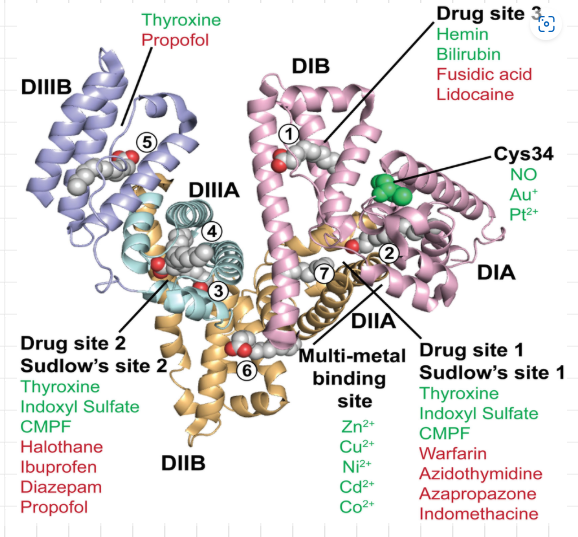
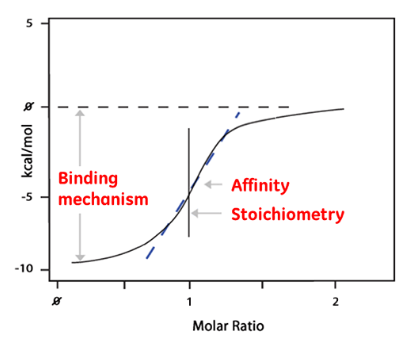
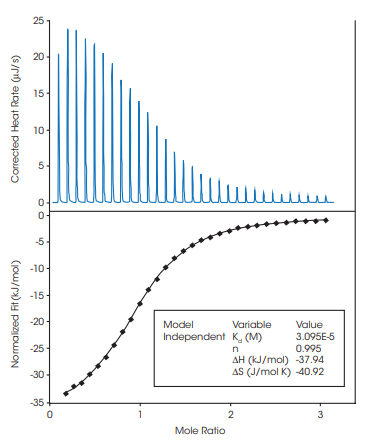
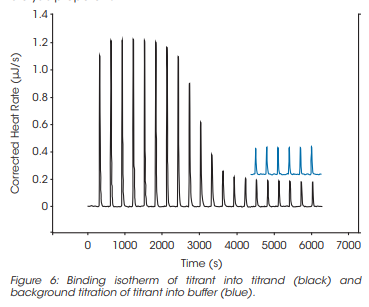
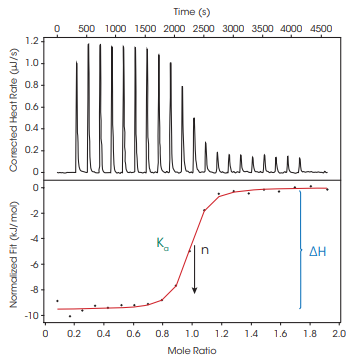
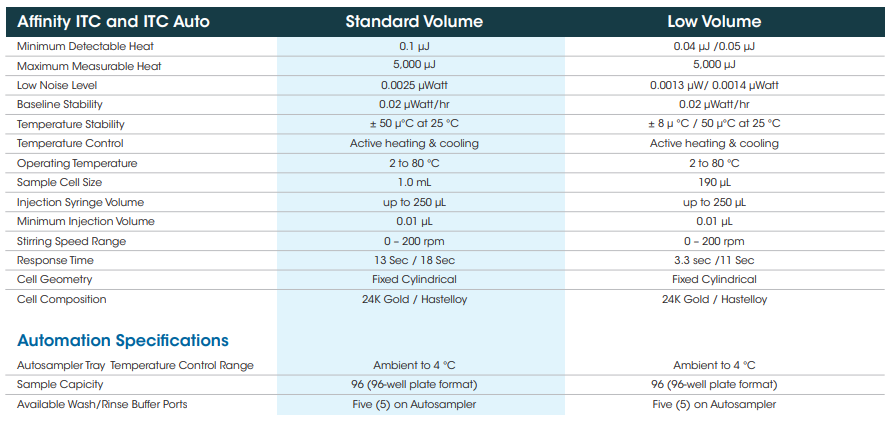
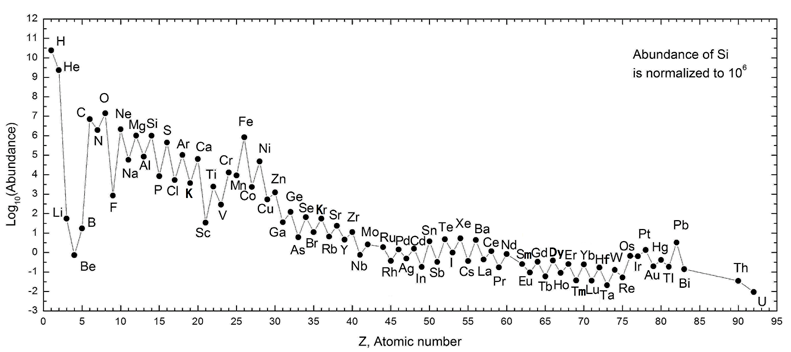
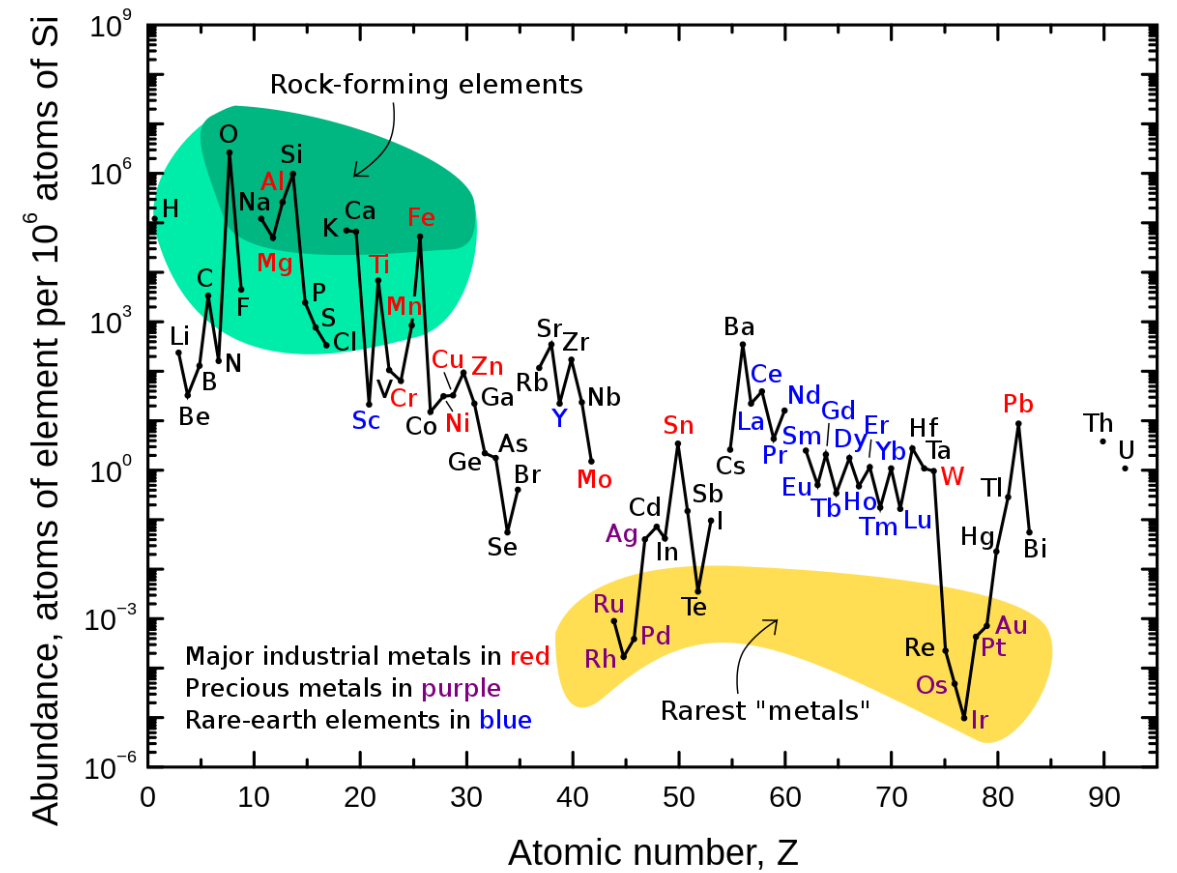
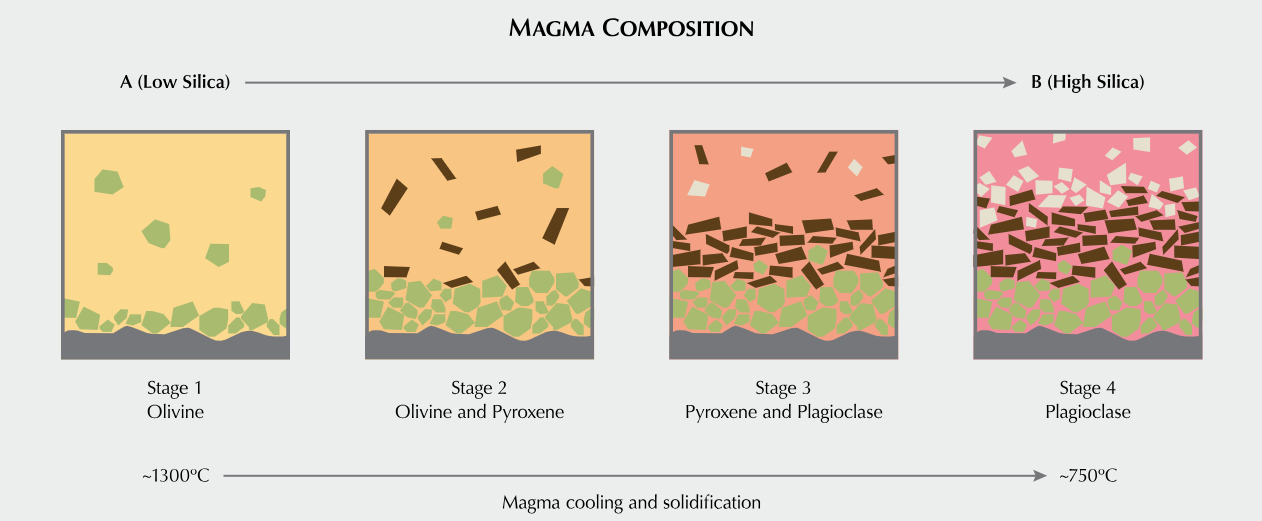
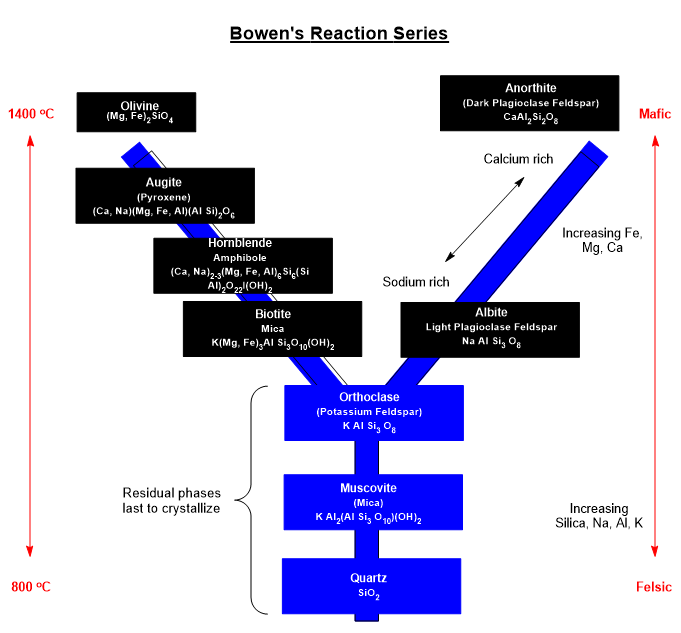
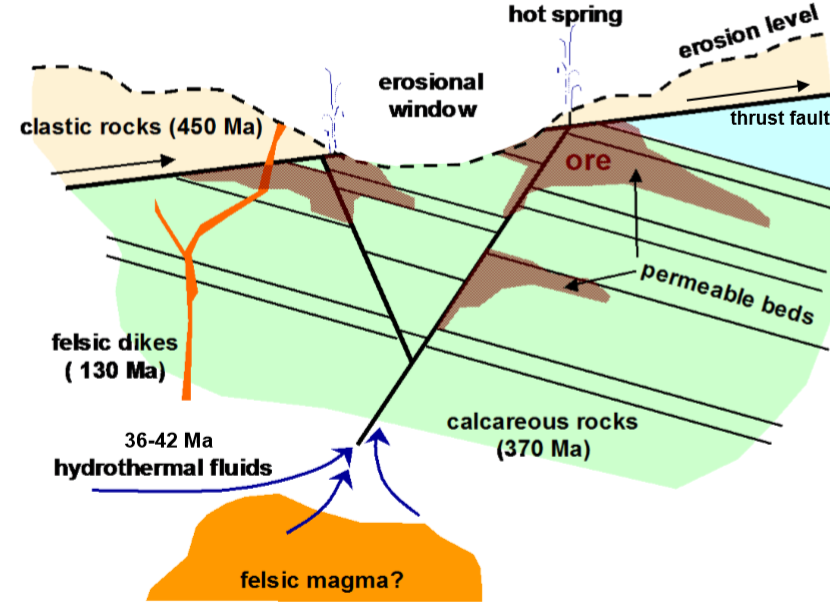

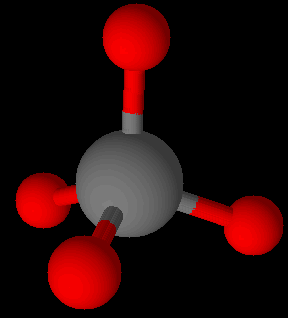
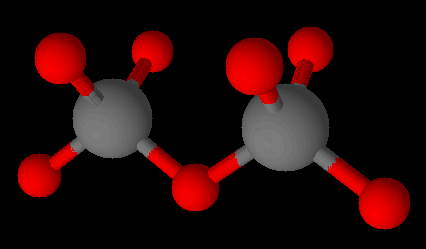
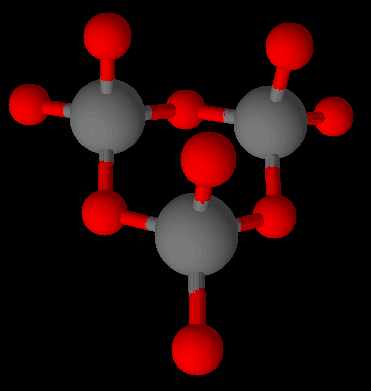
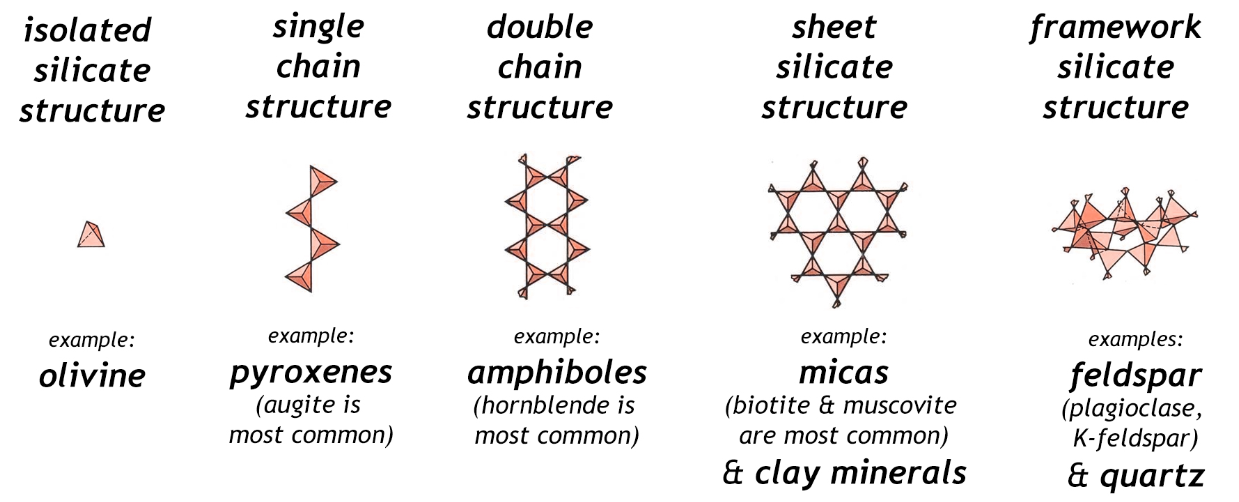
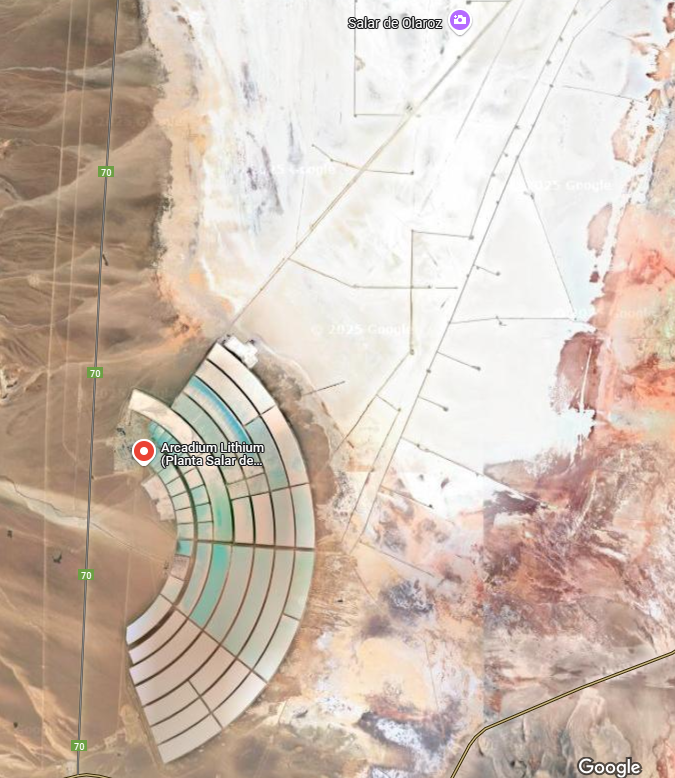
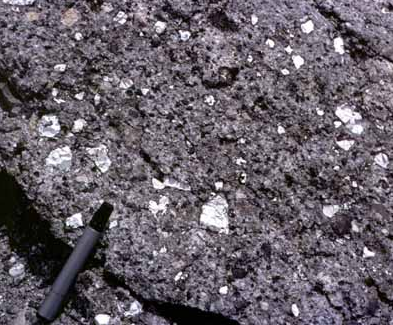
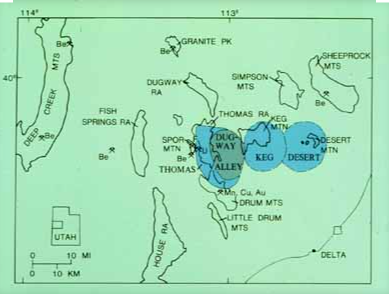
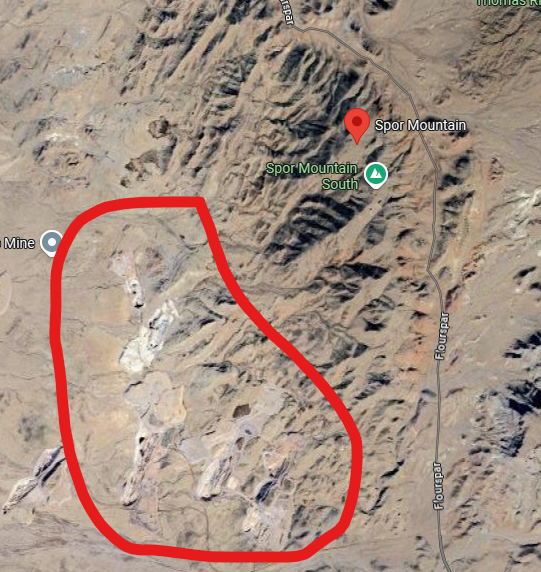
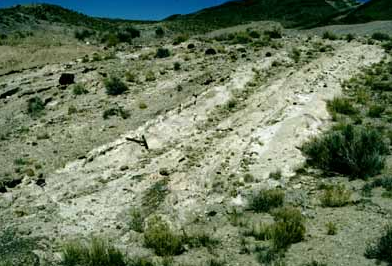
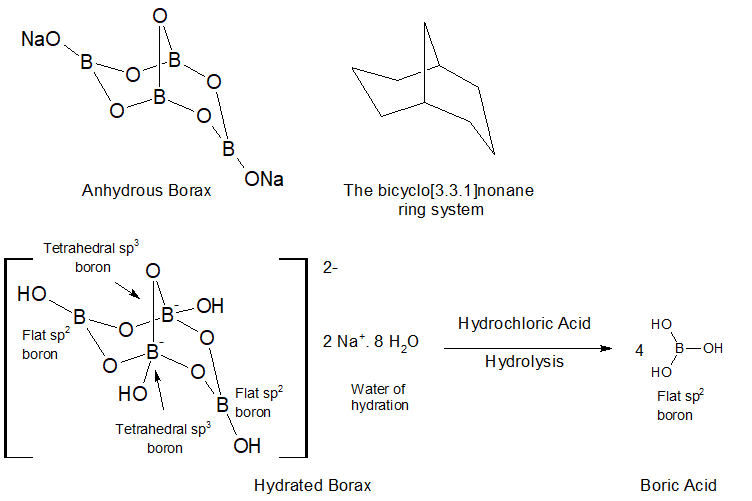
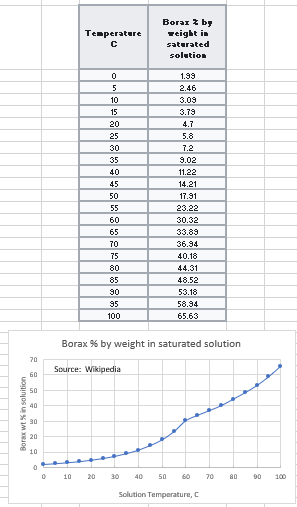
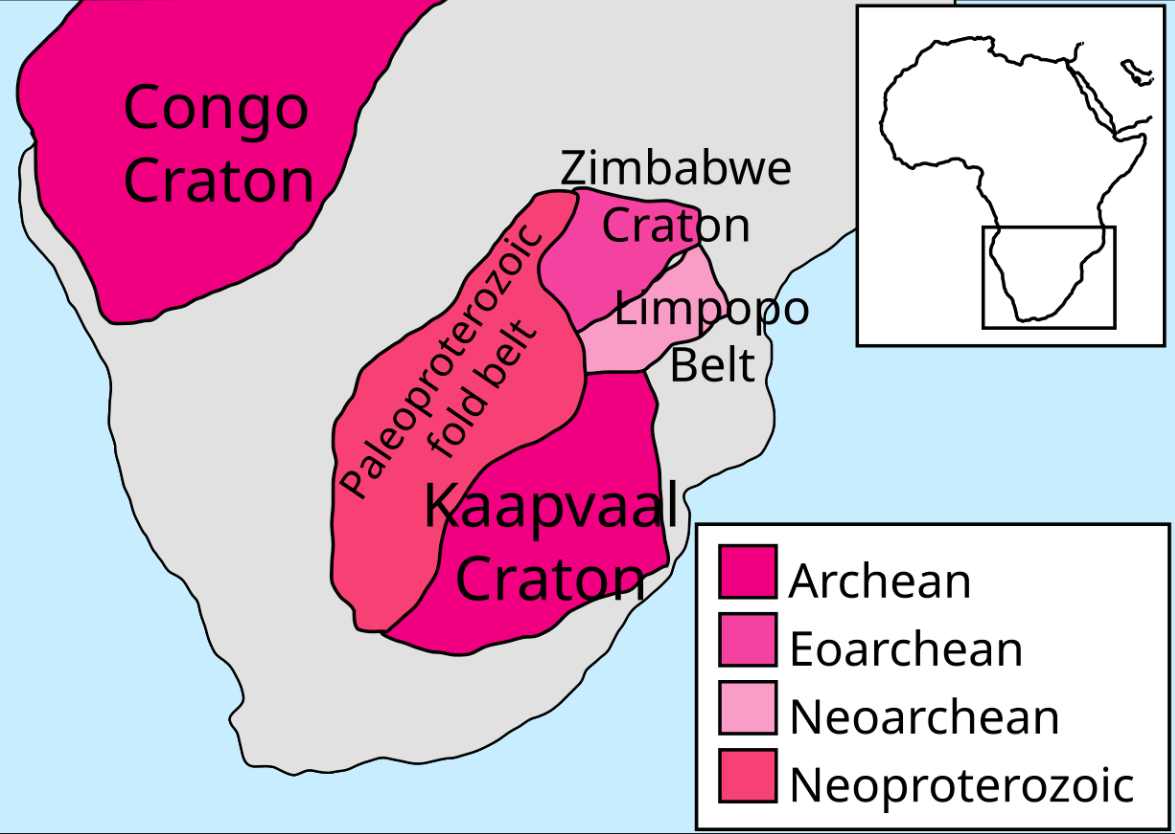
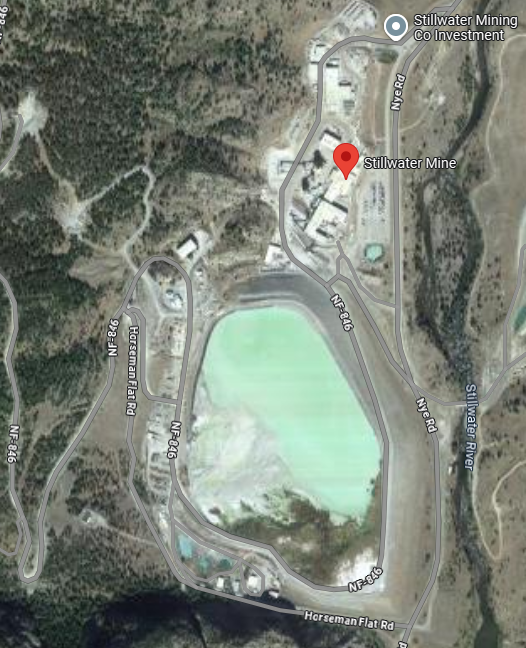
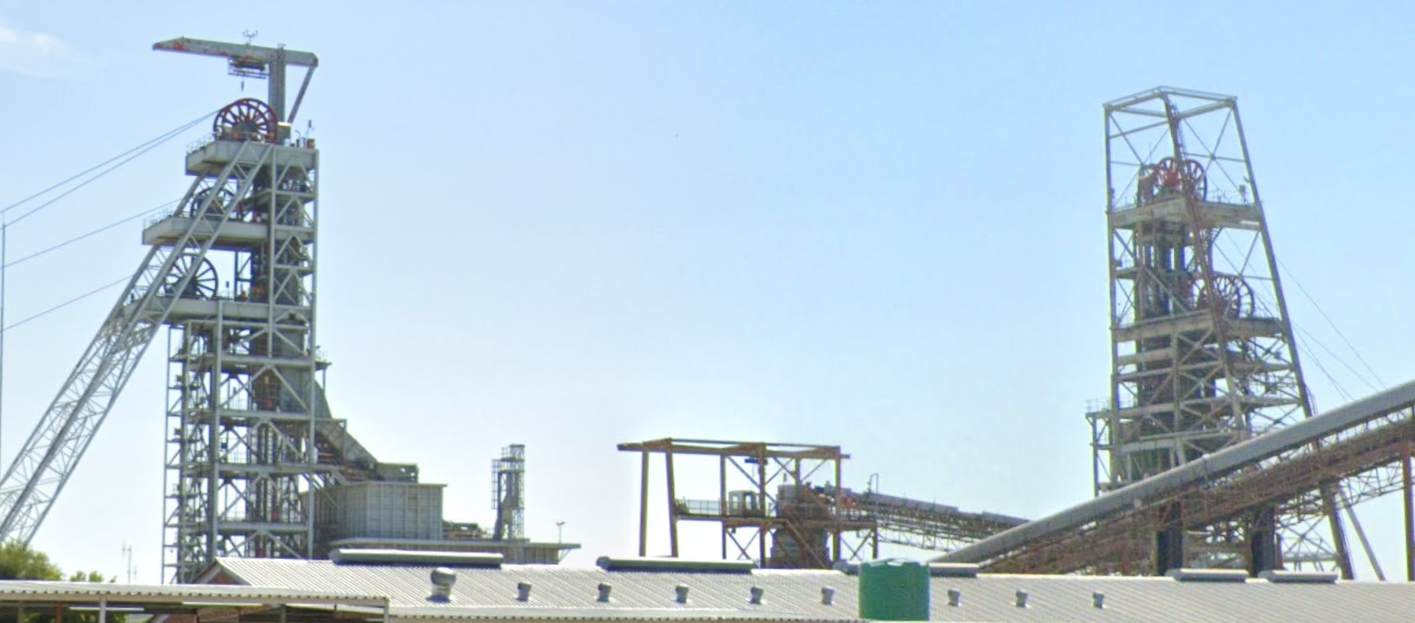
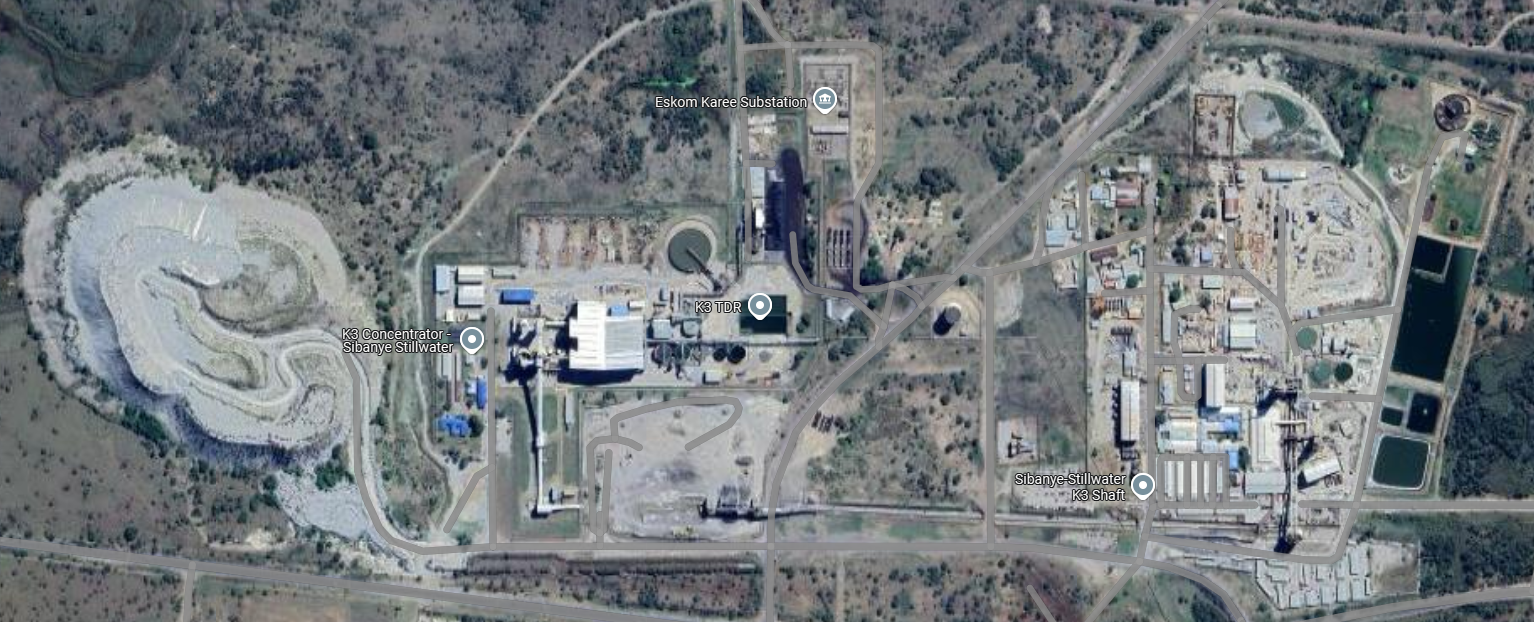
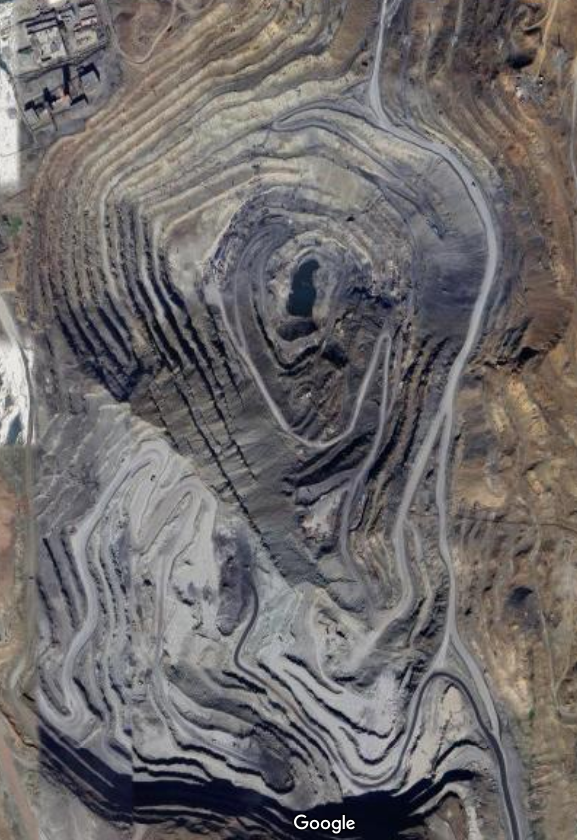
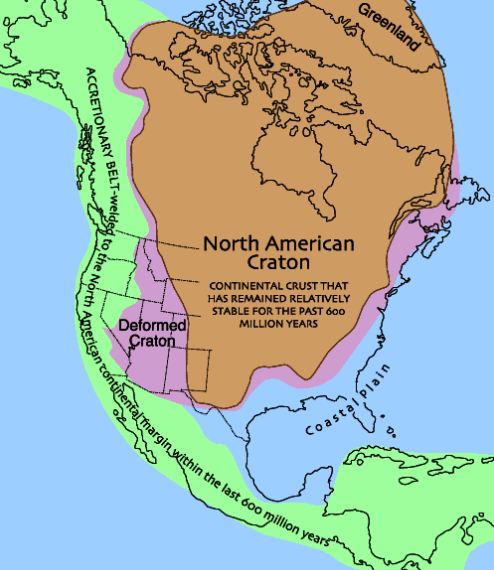
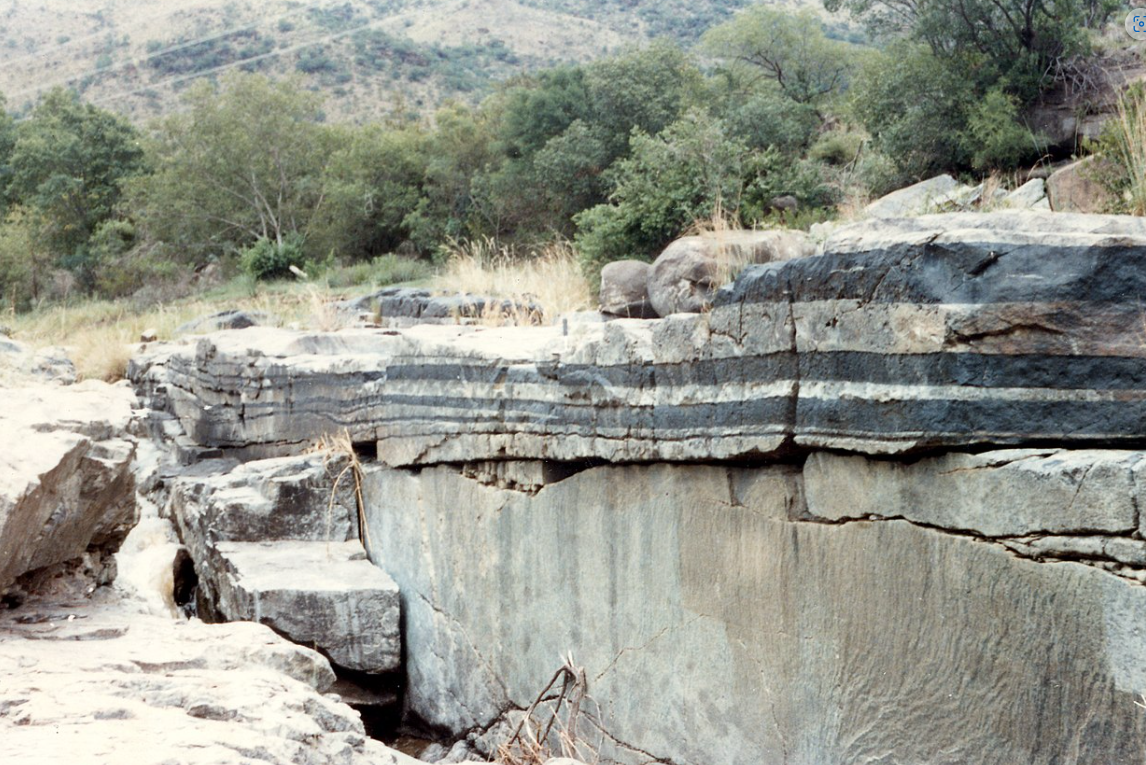
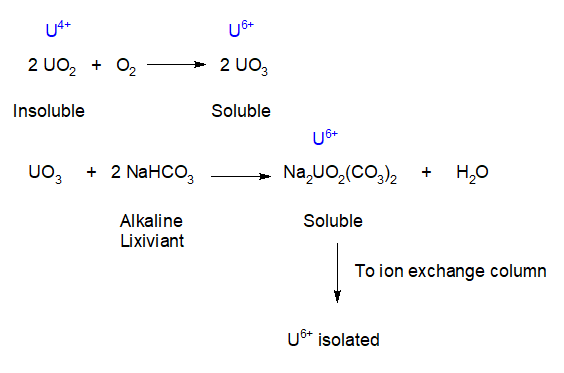

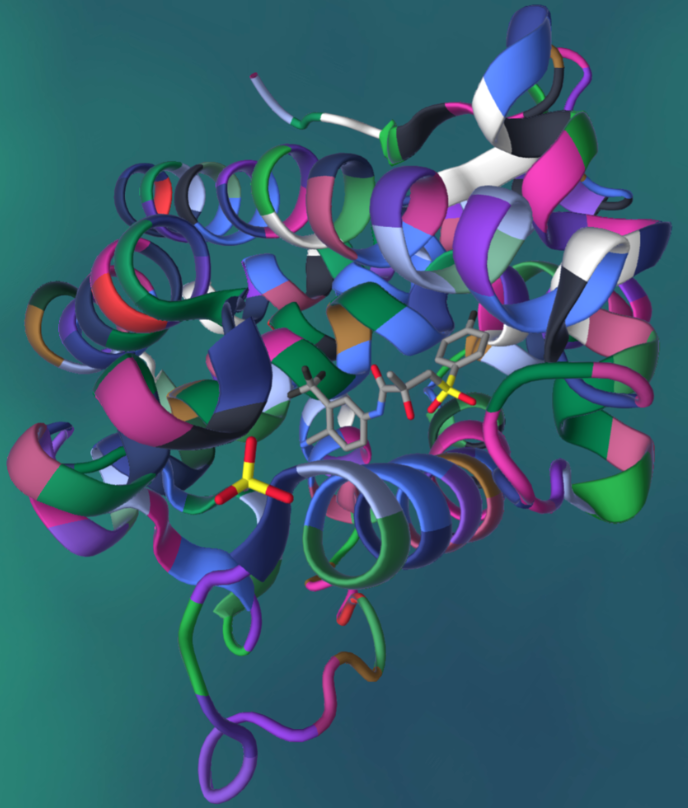
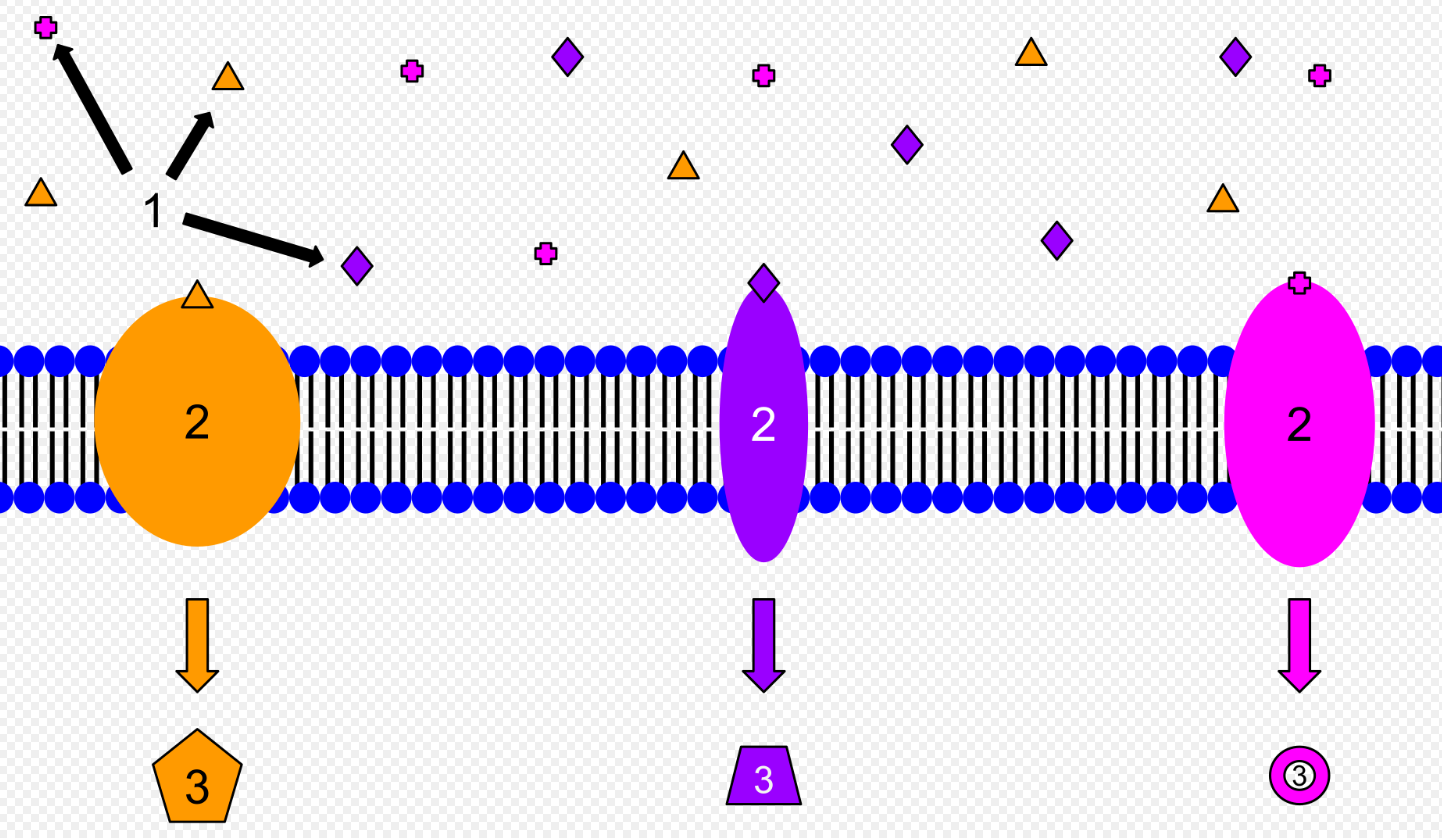
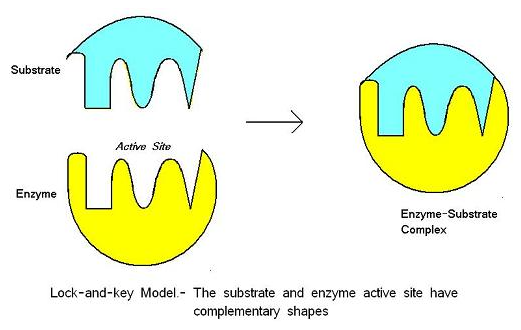
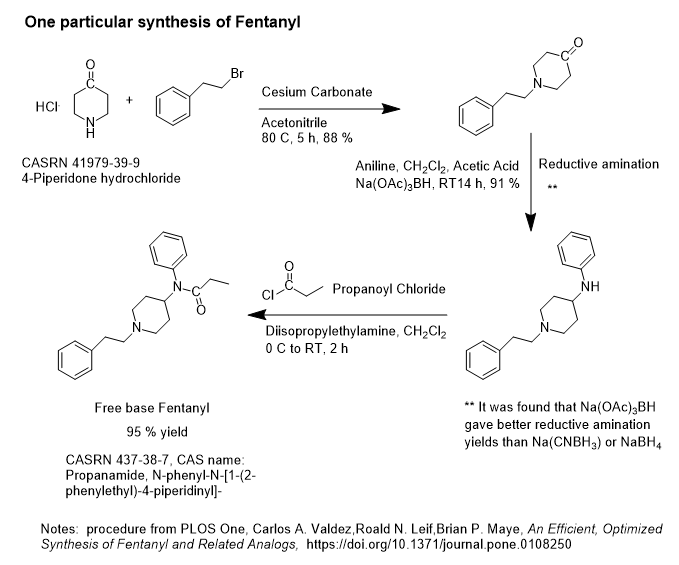
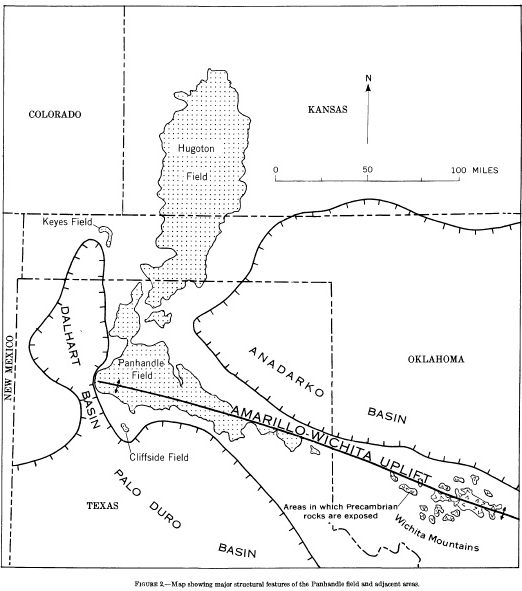
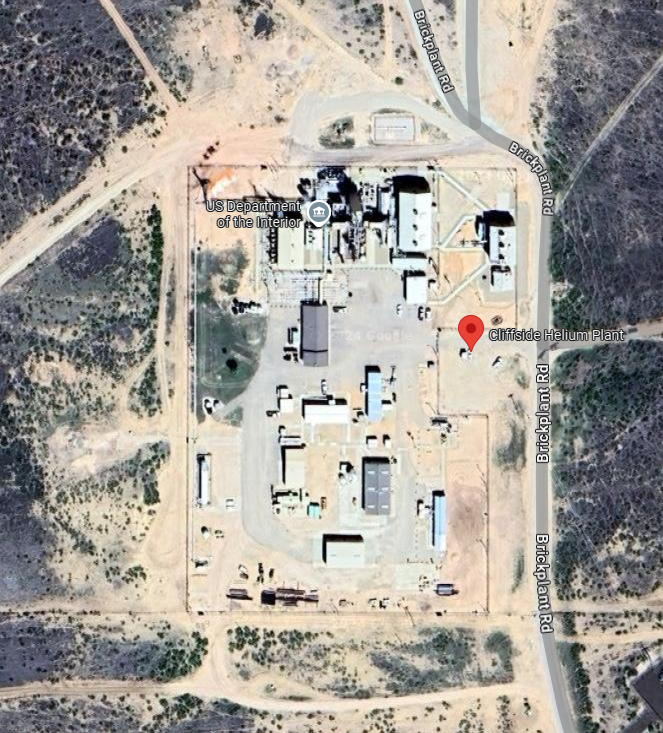
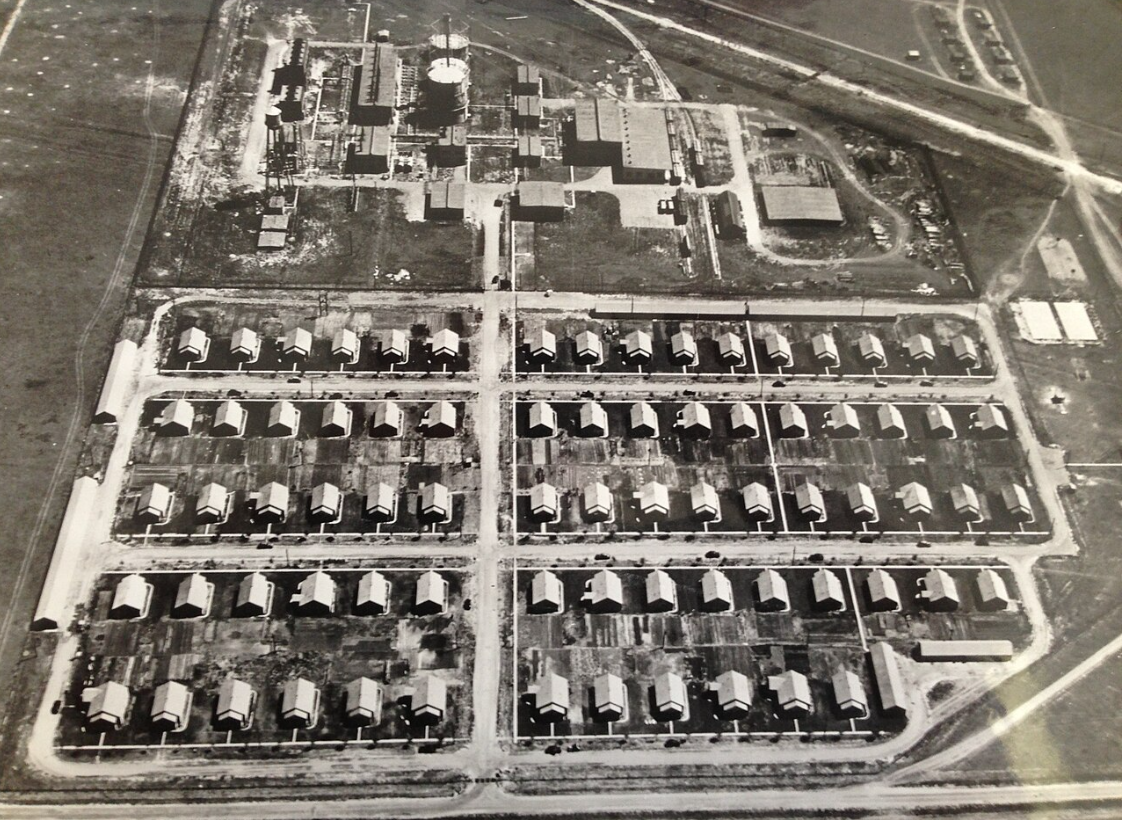
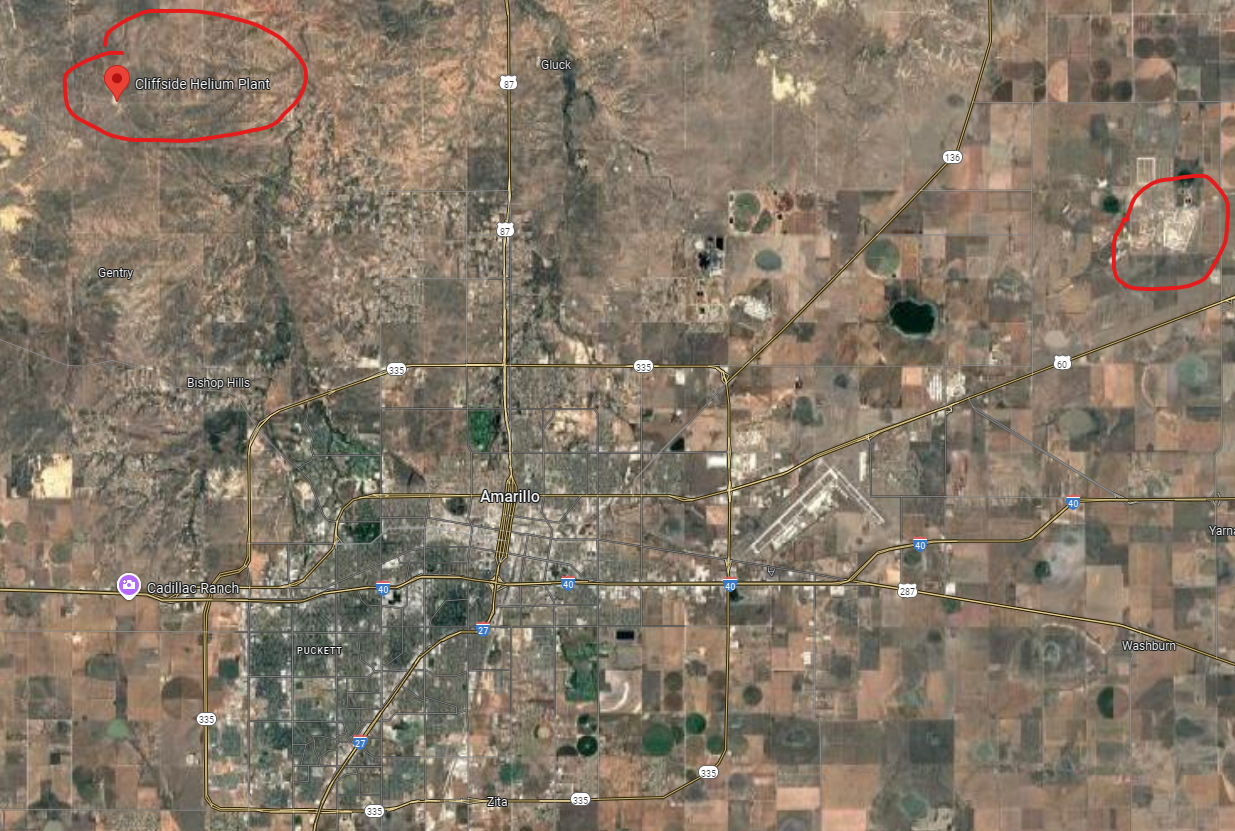
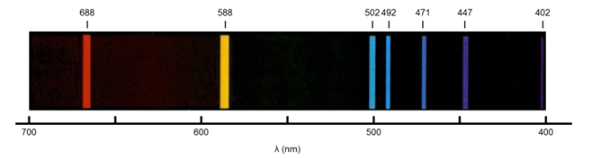
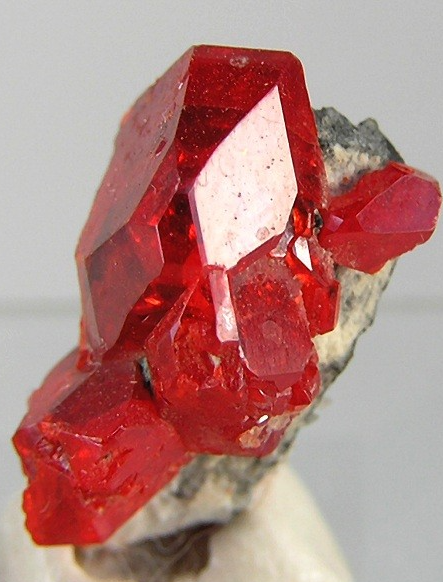
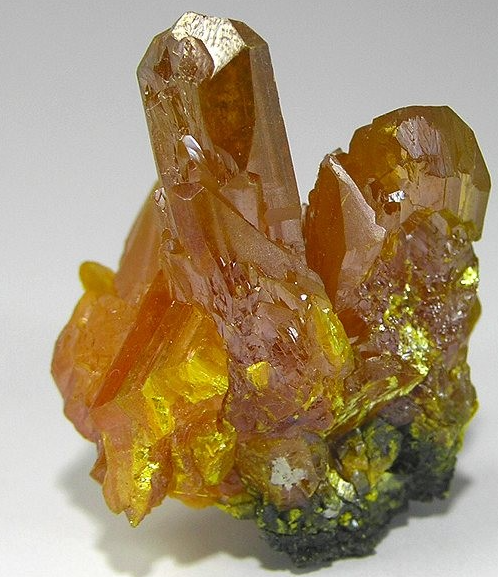
 Lamentations on Chemistry
