Note: This essay is written mostly for a foreign audience whose members may lack a more nuanced view of America if only by virtue of distance or language.
The awful shooting in Michigan recently as well as other shootings in the last several days are a reminder- as if we need it- that this mass shooting business is not a bug but rather a feature of current American culture. It is yet more male violence. So far, Americans have failed to hold males culpable for this trend. The way we raise men in general needs to be rejiggered to produce better citizens overall. Make no mistake, there are a great many good and decent fellas in the US- maybe most of us- but a minority are quite problematic.
Surely there must be a way to address this matter without government interference. This is in large part a civics problem. The question is this: How can we make everyone better citizens, men especially?
A great many US citizens are forced to endure gun violence because any argument that might impede any aspect of anyone’s ability to own a gun is met with howls of indignation and angry hand waving arguments based on the 2nd Amendment of the US Constitution. Okay, fine. Conservative politicians are loathe to touch this electrified 3rd rail of politics. Candidates for the US House of Representatives will sometime post pictures of themselves in ads holding a firearm with a flag somewhere in the picture. This is meant to assure conservative voters that they as patriots will uphold the 2nd Amendment to the US constitution. I understand this and I cannot believe that any liberal politician could successfully part gun owners with their guns. There would be shooting. The government confiscating American guns is in no way politically feasible.
I also support anyone’s right to stand in a pool of gasoline and play with matches, barring any violation of local ordinances of course.
For the most part, school killings were unusual prior to the Columbine shootings in 1999. What has changed? One notable change relates to the emergence of smart phones and the internet. According to Wikipedia-
Below is a graphic from the K-12 Shooting Database. Of course, in the USA K-12 refers to the 13 years of basic education all children receive in public and private schools.
Source: K-12 Shooting Database. The Mormon church shooting or other recent shootings in public places aren’t part of this data set.
If you wade into the data, you’ll find that the definition of ‘mass shooting’ might vary a bit. Sometimes the definition refers to 3 or more deaths, but for the most part there is no agreed upon definition.
As a kid I recall exploring with a .22 caliber rifle out in a grassy river bottom. Maybe it is just me, but I was always itching for an excuse to fire the gun at something, maybe even a badger or a fish. I never shot a badger or a fish, thankfully. I’m only saying that possessing a gun and ammo can gave me a sense of power and authority. My imagination tells me that there are others.
These mass shootings are the status quo and usually fail to generate more than a day or two of concern for most Americans. Except for Charlie Kirk. Thoughts and prayers are offered by many, but to no useful end so far. Flowers and stuffed animals are left at the crime scene, but most people return to their streaming episodes of TV with gunplay being central to the show.
Americans have a fascination with murder as a plot line for their entertainment. Hollywood feigns some concern over the violence but continues to bang out more grotesque violence in their creations. As much as actors would like to think, the artistic qualities of film are no more than secondary. A movie project is much like a speculative construction project- plans are made, money is secured, contractors are hired and the building project is begun. The whole thing is based on a fair probability that eventual sale of the building will sell at a healthy profit. It is a wager made by people who believe that they understand the market in the near future.
Investors in a movie or TV series also bet on a spec project where their money is gathered on the guess that the production will be a hit and rake in profits. Whereas a building project depends on scarcity in the real estate market and vanity to some extent, a movie project is all about vanity. Investors believe that they alone can select a project likely to be profitable. Directors and writers believe that their work product will put butts in seats or eyeballs on the TV screens. In film, the artistic elements are complex and expensive. However, the artistic sensibilities of audiences are fickle at best.
All of this leads to a critical point. Spec buildings and movies both rely on the notion that if you build it, customers will come. Buildings can be designed and located in appealing ways to attract buyers. Movies can be produced with stars, popular directors, and the myriad specialists who put a successful film together. So, why would investors back a movie project that lacks large scale appeal to audiences? If gunplay or other violence puts butts in seats, investors may require it before committing funds. Writers, producers and directors understand this and may only go forward with a movie project having a minimum of violent action sequences, car chases and a bit of nudity to dial in some edginess. Very often, though, star power leads the charge to success. Stars are likely to favor certain types of movie projects with ‘action’, where action includes scenes with combat, one-on-one fighting and gunplay which add to ticket sales. Think Tom Cruise, Keano Reeves and many others
Having been in the theater exhibition business, I can verify that people will line up in droves to see a new Tom Cruise or 007 movie. The appeal of shoot- ‘em-up action movies is undeniable and bankable. So, the question is-
Why fund a movie that is less than best effort, where ‘best effort’ means attractive elements known to draw crowds? Why leave out scenes of gun violence when the public expects it?
Our citizens are programmed early on to tolerate or enjoy gun violence. Guns are used to solve conflict. Violence in entertainment is something that we have normalized by sheer repetition leading to satisfying conclusions.
The prevalence of violent video games exposes young men and kids to killing. Some deny that these games promote violence, but the enthusiastic death dealing and mayhem produced by the players is telling. People are immensely entertained by it. I’ve seen where the military even encourages its active-duty soldiers to play games with violent gunplay. That is the job of soldiers. Causing casualties is what they train to do because it is necessary. I get it.
Why were these large-scale killings scarce before 1990? For the school shootings, the hockey stick curve above shows that from about 2010, the incident count exploded until 2018 where it leveled off briefly but rapidly took off again. Has entertainment conditioned us to tolerate or even enjoy gun violence? The actual fallout from untimely death is brutal for family and friends.
Before 1990 there was an internet in its infancy, but no smart phones. Unless you had access to a computer, electronic entertainment and news had limited reach. Unlike today, a great many people were isolated from events and politics. There were only the 3 major networks plus PBS, newspapers and magazines. All suffered from time delays owing to content production complexity. The standards and practices required discipline and ‘proper’ content absent speculation and hype. There were the tabloids like the National Enquirer that indulged in gossip, but their credibility low, at least among educated people.
Today with the 24-hr. news cycle, content is broadcast immediately and most of the entire population are free to take half-baked, poorly content edited news items and crank themselves into a tizzy. Unlike the past, today producers of news content rely on ‘clicks’, ‘likes’, or other indicators of viewing to base their advertising invoices on.
Scrolling through content online is driven by our curiosity and FOMO- Fear Of Missing Out. I can personally add that it is certainly say this is true for myself. While I do enjoy ‘action‘ movies, I must occasionally remind myself that the violence on fellow humans is only a plot element. But like Jane Goodall observed in ape and chimp behaviors, our human primate behavior includes sometimes extreme violence. It’s built in and for many it lurks just below the surface, waiting to spring out.
Much of what we learn is based on observation of other people. Are we saying that civilized social norms can screen out or ignore violence in entertainment? For most mature people, the aversion to violence is strong and a 2-hour movie will not change that. But for some, the application of violence may get considerable thought. The realization that a violent act may be called for. Socially or mentally fragile people may see the application of gunplay as a plausible solution to their problem. To become a social issue, only a very few violence prone individuals are needed.
Gun violence is our own fault as Americans and will only be solved by a concerted effort in America to see violence as an undesirable aberration. We cannot expect a change of heart in the entertainment business. As long as there is profit in violence, they will continue to produce it.
The anti-Trump action in the UK prior to, during and after the American president’s visit has been awe inspiring for many of us in America. The grotesque and nauseating Trump has managed to emotionally unify Britain for a time in shared revulsion. Someone said that Trump speaks English like a dog walks on his hind legs.
Trump’s attempt to offer “elder statesman” advice to members of the EU and the greater collection of attendees at the UN actually blew up in his face, though it isn’t likely that he realized it. That said, he is extremely sensitive to perceived slights and is quite thin skinned even by his own admission. At the UN, Trump’s clown car of staff sycophants and pale underlings immediately assumed the escalator and teleprompter incidents malevolent acts meant to humiliate him. If they were acts of protest, then good on them.
It looks like the majority of Americans can see through his charade as a benevolent billionaire, the all-knowing sage of capitalism. If a general election were held now, it is becoming more likely that MAGA would lose control of the House of Representatives. The outcome of the 2028 general election, if Trump doesn’t interfere with it, is in doubt for the MAGA party.
Prior to Trump’s election in 2016, I don’t think he has ever led a publicly owned company. This means that he has never had to be accountable to the public. His actions are always buried within the board of directors of whom he is either the chairman or in control of some relative or other lackey.
I’ve been noticing more examples on YouTube about what foreigners, especially Brits and Canadians, really think about America: And it ain’t pretty either. The negative feelings expressed have torn through the curtain of polite silence to a full venting of the spleen. The traditionally understated Brits are aghast at the boastful American Orange Jesus. This frustration with the USA didn’t suddenly surface from the Trump era. It has been growing quietly for decades. America presumed it’s hegemony and has acted accordingly. Once the sparkling city on the hill, on close inspection we have a darker side, a grubby and mean-spirited side that persists despite all of our self-aggrandizement.
Aren’t Americans themselves embarrassed at Trump’s behavior? Yes, dammit. But due to the election cycle, MAGA congressional support and an impotent judiciary, there seems to be no way around immediate remedy. We must wait for the 2026 midterm elections and hope that the Congressional MAGA monopoly is toppled.
Even if Trump voluntarily resigns, there is the matter of his vice-president, JD Vance. As president, he would be pressured to carry out Trump’s “policies”, which so far have amounted to vengeance and the Project 2025 plan to drown the federal government by holding its head under water in the bathtub to paraphrase a republican strategist. Vance is an unknown quantity to most Americans. He was very critical of Trump before being chosen as the VP candidate. Somehow, he “saw the light” and became Trump’s VP. How would he really behave as president? Connect his dots and project into the future with a linear extrapolation, to begin with.
Trump has already done irreparable damage to US credibility and leadership in the world. I don’t see how this can be reversed back to pre-2015 days. American hegemony has come and gone now that the barnyard gate is open. New alliances in trade, absent US participation, are being set as in the case of Canada. American military leadership will linger well passed the rejiggering trade situation. America has a true talent for the military arts and sciences. Not because of American exceptionalism, but because of the vast sums that we have spent in the past plus our natural resources.
It is good for Americans to see ourselves through the eyes of foreign nations, painful as it might be. Television has a large impact on how we view ourselves. Ever vigilant for new trends or ways of keeping eyeballs fixed on the tube, broadcasters produce content that satisfies by exaggerating our merits or strengths and by burying certain parts of history. Huge corporate news organizations profit by taking a populist political stance and setting inflammatory political content on repeat cycle. Corporations are like a penis- they have no brain and all they want is more.
Today I have a slightly different demographic of readers of this blog than in the past, so I’ve been dredging up old posts into the light of day. This is a renamed post from September 3, 2011. I’ve changed some wording to be a bit more mellifluous if that’s even possible.
==========
I’ve had this notion (a conceit, really) that as someone from both academia and industry, I should reach out to my colleagues in academia in order to bring some awareness of how chemistry is conducted off-campus. After many, many conversations, an accumulating pile of work in local ACS section activities, and visits to schools, what I’ve found is not what I expected. I expected a bit more academic curiosity about how large-scale chemical manufacturing and commerce works and perhaps what life is like at a chemical plant. I’d guessed that my academic associates might be intrigued by the marvels of the global chemical manufacturing complex and product process development. Many academics would rather not get all grubby with filthy lucre. Not surprisingly, though, they already have enough to stay on top of.
What I’ve found is more along the lines of polite disinterest. I’ve sensed this all along, but I’d been trying to sustain the hope that if only I could use the right words, I might elicit some interest in how manufacturing works- that I could strike some kind of spark. But what I’ve found is just how insular the magisterium of academia really is. The walls of the fortress are very thick. I’m on a reductionist jsg right now so I’ll declare that chemistry curricula is firmly in place on the three pillars of chemistry- theory, synthesis, and analysis. In truth, textbooks often set the structure of courses. A four-year ACS certified chemistry curriculum spares only a tiny bit of room for applied science. I certainly cannot begrudge departments for structuring around that format. Professors who can include much outside the usual range of academic chemistry seem scarce.
It could easily be argued that the other magisteria of industry and government are the same way. Well, except for one niggling detail. Academia supplies educated people to the other great domains comprising society. We seem to be left with the standard academic image of what a chemical scientist should look like going deeply into the next 50 years. Professors are scholars and they produce what they best understand- more scholars in their own image. This is only natural. I’ve done a bit of it myself.
Here is my sweeping claim (imagine waving hands overhead)- on a number’s basis, chemists apparently aren’t that aware of industrial chemical synthesis as they come out of a BA/BS program. That is my conclusion based on interviewing many fresh chemistry graduates. I’ve interviewed BA/BS chemists who have had undergraduate research experience in nanomaterials and atomic force microscopy but could not draw a reaction scheme for the Fisher esterification to form ethyl acetate, much less identify the peaks on 1HNMR. As a former organic assistant prof, I find it sobering and a little unexpected.
A mechanistic understanding of carbon chemistry is one of the keepsakes of a year of sophomore organic chemistry. It is a window into the Ångstrom-scale machinations of nature. The good news is that the forgetful job candidate usually can be coached into remembering the chemistry. After a year of sophomore Orgo, most students are just glad the ordeal is over and they still may not be out of the running for medical school.
I think the apparent lack of interest in industry is because few have even the slightest idea of what is done in a chemical plant and how chemists are woven into operations.
To a large extent, the chemical industry is concerned with making stuff. So perhaps it is only natural that most academic chemists (in my limited sample set) aren’t that keen on anything greater than a superficial view of the manufacturing world. I understand this and acknowledge reality. But it is a shame that institutional inertia is so large in magnitude in this. Chemical industry needs chemists of all sorts who are willing to help rebuild and sustain manufacturing in North America. We need startups with cutting edge technology, but we also need companies who are able to produce the fine chemical items of commerce. Have you tried to find a company willing and able to do bromination in the USA lately? A great deal of small molecule manufacture has moved offshore.
Offshoring of chemical manufacturing was not led by chemists. It was conceived of by spreadsheeting MBAs, C-suite engineers and boards of directors. It has been a cost saving measure that mathematically made sense on spreadsheets and PowerPoint slide decks. The capital costs of expansion of capacity could be borne by others in exchange for supply contracts. There is nothing mathematically wrong with this idea. Afterall, corporate officers have a fiduciary responsibility to their shareholders. Allowing profit opportunities to pass by is not the way to climb the corporate ladder.
We have become dependent on foreign suppliers in key areas who have control over our raw material supply. Part of control is having manufacturing capacity and closer access to basic feedstocks.
The gap between academia and industry is mainly cultural. But it is a big gap that may not be surmountable, and I’m not sure that the parties want to mix. But, I’ll keep trying.
What is the deal with Russia? Why do the Russian people tolerate the lack of basic freedoms we in the West are accustomed to? Dissatisfaction with their government has been there since the beginning. Hundreds of millions have been deprived of liberty and prosperity following Russian revolution.
The history of early 20th century reveals the Bolshevik Revolution in Russia and the formation of the Union of Soviet Socialist Republic (USSR). Later, after much blood and treasure was spilled after the revolution and then through the cold war, the Soviet Union collapsed after a brief attempt at openness. Many around the world saw the collapse as a positive thing and a sign of better times ahead, especially for the people of the former USSR. There was hope in the West for a transition to some variety of Russian-tinted democracy and for freedoms heretofore absent for the average citizens of the former USSR.
To Russians in power, the very idea of a democratic republic is alien and inconceivable. There is a baseline level of distrust and fear of the infectiousness of the democratic spirit among Russian/Soviet leadership. Even the population has been convinced that the moral collapse of the West would spread to their homeland without an iron-fisted leader.
For a part of the world that has been strangling under autocratic rule and economic stratification since before the time of the Tsars, there has not been a historical Russian-style power sharing agreement between the monarchy and the nobility or the serfs from which to build upon. After generations of polarization by Soviet propaganda focused on Western hegemony and the moral turpitude of the West, there was no likelihood of building upon a Western style democratic model. The Russian propaganda engine continues to this day as strong as ever but with the help of the internet, artificial intelligence and widespread political indifference or gullibility.
The decade of the 1990’s following the collapse of the former USSR was a time of redistribution of wealth for a lucky few. Large Soviet industrial sectors were absorbed by a few private interests, producing fabulously wealthy oligarchs. This did not go unnoticed by the populace, who simmered in anger over it because they expected a freedom and prosperity dividend from the collapse. Amidst the confusion and dissatisfaction with Russian President Yeltsin, there arose a growing sense that Russia needed a strongman leader. Many even spoke admiringly of Stalin.
The collapse of the USSR left an internal power vacuum that would soon be filled by former Soviet citizens. Boris Yeltsin was elected President of Russia in December 1991 and remained as President until 1999 when his selected successor Prime Minister and former FSB director Vlad Putin took over as acting president. Putin was elected president in May of 2000.
I’ve been trying to understand why present-day Russia seems so … belligerent. My focus to start with is Putin. Rather than being a one-of-a-kind freak of nature, Putin is rather ordinary as a dictator except that his regime has a nuclear triad. Until its invasion of Ukraine, Russia also had the benefit of whatever left-over respect it may have had from its Soviet military reputation. But that has changed dramatically.
Putin has long expressed the view that the collapse of the USSR was a tragedy. He wants to rebuild the stature of Russia into a global superpower. Soviet leaders held the view that in order for Moscow to be safe from attack by the West, the Slavic eastern European countries bordering Western Russia had to be under the wing of the Kremlin. It was this deep boundary in combination with the Russian winter that helped to wear down the invasions of Napolean and Hitler. Both armies were substantially weakened by traversing the extensive farmlands and steppes of Ukraine and Poland. It is difficult to believe that this thinking has changed since the collapse.
When the USSR collapsed it left much more than empty senior positions and titles to fill. The Soviet governing apparatus was abandoned when the Kremlin finally conceded that the USSR was economically unsustainable. Even a culture built upon bribery and corruption needs an all-encompassing structural skeleton to manifest its national identity and sustain an economy, security and a global presence. Even a corrupt government needs some sustainability.
Unfortunately for present day Russia, extensive government bribery and corruption in all sectors was already baked in from Soviet times. On a practical level, getting things done involved bribery. Bribes were expected and paid as a matter of routine in the military and all other areas of government. Today there have been show trials with certain high-level officials being tried, convicted and imprisoned on bribery charges. It gives the population bread and circuses to consume and hopefully optimism for a brighter future.
The USSR and later the Russian Federation did not have the benefit of English common law which evolved from the Magna Carta. Born of earlier conquest by the Rus, the Bolsheviks had nothing to build upon for a more democratic legal system like the American colonists had. Overall, Bolsheviks forcibly switched from monarchy to an autocratic socialist empire. Conquest of the tsarist Russian empire by the Bolsheviks was difficult because there were numerous groups vying for power, leading to the Russian civil war following the 1917 revolution.
Although Putin and the cranky Dimitry Medvedev have done a bit of nuclear saber rattling, the West has been concerned about Russian nukes since their very first test in the late 1940’s, so not much new here. Putin’s stern public warnings about nuclear retaliation were not necessary for the Western experts to be on alert. This apparent “virtue signaling” in the form of a public warning by Putin is just a part of Russia’s overall hybrid warfare approach. They’ll use every word and inflection uttered by Russian and Western media as well as the Kremlin to fortify their propaganda with doubt, suspicion and existential threats. They are also actively injecting propaganda into every media stream in the West they can manage. Putin’s dire public warnings about lowering the threshold for a tactical nuclear release were meant to cause a great clenching of public sphincters with the usual fear and loathing leading to internal political pressure for its enemies.
/*begin anecdote/*
Russia’s triad of Soviet-era nuclear weapons have been aging in storage. Are Russian nuclear bomb designs immune to shelf-life issues? By comparison, American-style nuclear weapons have a relatively short shelf-life because of their boosted triggers. According to one source, the entire US nuclear arsenal of nuclear triggers are boosted. American nuclear trigger designs have a short shelf-life stemming from tritium’s 4500 +/- 8 day half-life or 12.32 years (NIST, 2000). US fission triggers have a hollow core which contains a 1 to 1 deuterium-tritium mixture. This booster gas undergoes fusion during ignition in the center of the core and increases the fission yield by the release of abundant 14 MeV neutrons into the surrounding fissile material. With the use of a booster to breed neutrons, the critical mass of fissile explosive is reduced because more neutrons are dispersed to initiate a runaway fission while under intense compression. The reduced mass of fissile material in a bomb is also resistant to unintended ignition by a nearby source of neutrons, like a nearby nuclear explosion.
Tritium is 3H, with 1 proton and 2 neutrons. It undergoes a beta decay where a neutron decays to a proton and an ejected electron, forming 3Helium with 2 protons and a neutron. So, wouldn’t you know, 3Helium is a poison with a very high neutron capture cross section. An aging booster gas loses its tritium potency as well as gaining an effective neutron poison.
But for this application to work, an ongoing supply of tritium is required. Tritium must be produced in a breeder reactor or accelerator. In addition to its short half-life, tritium decay is problematic to monitor because of its low 5.7 keV average beta radiation energy. Tritium atoms or molecules can be detected and measured by mass spectroscopy, but its beta decay radiation requires special equipment to detect. Tritium emits very low energy, low penetrating beta particles which are limited to 6 mm of travel in air and are blocked by the dead layer of skin cells on the surface of the skin. Getting through the window of a Geiger-Muller tube is a problem. So, measurement of tritium activity requires a liquid scintillation detector or an ionization chamber. A sample of radioactive material is dissolved in a vial of scintillation cocktail and run through a scintillation detector which detects faint flashes of light corresponding particle emissions. Perhaps detectors using scintillation crystals like cesium iodide are available for tritium detection.
/*end anecdote/*
A History of Conflict
The lands of Eurasia have, over time, been overprinted with layers upon of layers of conflict over thousands of years. While it may seem reasonable to assume that the current national borders of Europe have finally overcome the urge for military conquest, this seems over-optimistic. The ease with which Putin dashed in to grab large tracts of Ukraine in 2014 show that land-grab invasions are not just left to the past.
The more you learn about the last 4000 years of history of the lands covering the British Isles to Portugal to Mongolia to north Africa and the Levant, the more apparent it is that battles of conquest and defense have overwhelmingly been the norm.
There have been so many armies who have fought bloody battles and died or prevailed on the Eurasian landscape since before Roman times, it is a wonder that there aren’t still great heaps of bones wrapped in rotted battle gear. As always, much remains below the surface in history.
Putin’s Botched War
The Putin-Ukraine war is a war of conquest begun by a dictator who somehow didn’t understand or foresee the accurate weapons made available to Ukraine by the USA and Europe. He misunderstood the willingness of the West to come to Ukraine’s aid, but also and maybe more importantly, the magnitude of the relative sophistication of Western armaments and war materiel. This was a major blunder. While Russian military intelligence should have kept the Kremlin updated on Western weaponry, Putin should have asked more penetating questions. But perhaps most importantly, he underestimated the combative spirit of the Ukrainians and their president.
How did Russia manage to fall so far behind the West in the art of war? A high reliance was placed on its giant fleet of tanks, armored personnel carriers and artillery. Much of this equipment was left over from WWII and the cold war. In contrast to its ground operations, Russia’s use of airpower in the early days of the war was weak and ineffective. Western military strategy has a high reliance on air power.
Russia was completely unprepared for the evolving drone tactics used against them. Drones were able to provide intelligence and pinpoint delivery of relatively small bombs at critical locations on launchers, vehicles, individual soldiers and in trenches. While Russian tanks were covered with reactive armor, the Ukrainian drones could place bombs in weak spots on the vehicles or even drop them through crew hatches to the interior where propellant and warheads could be ignited.
Post-War
To the discredit of both Russia and Ukraine, extensive use of land mines as well as cluster munitions has been made. The immorality of these munitions lies in what happens to the left-over mines and cluster bomblets remaining after the conflict. After the war, the lands are going to be recovered and farmed or rebuilt. Land mines and cluster munitions are well known to remain extremely dangerous for decades. Other conflict zones that have been so mined have left a legacy of death and mutilation for civilians.
At some point, the victor of the Putin-Ukraine war will want to salvage the scrap metal of the many thousands of vehicle carcasses left on the battlefields. One question relates to the explosive reactive armor (ERA) on the exterior of the destroyed tanks. ERA consists of a sandwich of a metal “flyer plate” facing the incoming projectile, a layer of high brisance explosive, and another metal flyer plate facing the tank armor. In order to respond to a high velocity kinetic or shaped charged projectile, a high shock-velocity, highly energetic explosive is needed for fast response to impact by a projectile. The ERA must be insensitive to small arms fire.
A great many videos of the destruction of tanks show that a tank can be destroyed and its crew killed by artillery or drones, but a large fraction of the reactive armor remains. The reactive armor contains enough high explosive to diffuse some of the incoming projectile’s energy release, yet seems to be rather insensitive to the shock of a hit a few feet away. This unexploded reactive armor will need collection and disposal.
Ukrainian farmers will need to level out the thousands of bomb craters in their fields so their equipment can traverse the ground. Obviously, Sappers or bomb disposal crews will need to de-mine the roads and pathways. Extensive trench systems will need to be filled in to recover the croplands. The environmental insult to the bombed-out battlefields is already substantial. The environmental toxicity of explosive residues may need evaluation.
Finally, in victory the brave people of Ukraine face the daunting prospect of rebuilding their homeland. Generations of children have been exposed to serious trauma and violence that no one should have to face. Their childhoods have been stolen from them and their educational prospects badly damaged.
If Russia prevails, the citizens of Ukraine face loss of their national identity and progressive Russification. All of the post-war issues given above will still be present, but the economic and social upheaval resulting from a vengeful Russian takeover will be traumatic. Many Ukrainian fighters and political leaders will no doubt be jailed, sent to gulags or perhaps defenestration.
A Russian victory in Ukraine signals bad times ahead for the rest of eastern Europe and the Baltic states. These countries, Poland in particular, already understand this and are preparing for this eventuality. Putin has previously expressed a kinship with the Slavic peoples of Eurasia and this may be part of his motivation for establishing a Russian empire.
The Fall of the American Empire
As bad luck would have it, this aggressive act of Putin’s Russia coincided with a political catastrophe in the United States. The Republican Party (GOP) in America has adopted the old Tea Party platform including libertarians and ultraconservative evangelical Christians to morph into a party of fanatical fascists, sometimes called Christo-Fascists. This is a reprehensible development that has taken decades to pull off. These Make America Great Again (MAGA) people have decided that American democracy doesn’t work. They favor a weak, authoritarian flavored democracy, similar to what Orban in Hungary has led.
The combination of the election of Donald Trump along with allowance of dark money OK’d by the US Supreme Court, the fanatical support of MAGA voters and a detailed coup strategy penned by the Heritage Foundation and funded by numerous billionaires has turned America around the corner towards an ultra-nationalist dictatorship. Trump ignores the courts, the legal role of the congress, and has lately taken a fancy to sending troops into US cities.
Some knowledgeable scholars have offered that American hegemony, in place since the end of WWII, is all but over. Some estimate that the American empire reached its peak influence perhaps 15 years ago and has been in decline since then but Americans haven’t paid attention. Trump, with his claims on Panama, Canada and Greenland as well as his manic desire to impose tariffs on globally has sent American credibility into the waste bin. The global economic upset caused by Trump has forced former friends to forge new alliances, leaving America behind.
Even if the stars lined up right and Trump and Vance disappeared tomorrow, a return to the previous status quo is unlikely to happen. The rapid trade disengagement by Canada suggests that they have had serious doubts with the USA already and this Trump fiasco was the last straw. There has been grumbling by other nations in the past that the American 4-year presidential cycle leads to excessive and frequent foreign policy changes that cause difficulties for them.
Trump’s “America First” declaration and radical disengagement with previous foreign policy has left an apparent power vacuum in the world. This has not gone unnoticed by anyone. Of course, the BRICS nations (Brazil, China, Egypt, Ethiopia, India, Indonesia, Iran, Russian Federation, South Africa, and United Arab Emirates) are taking advantage of this sea change and are considering moving from the US dollar as the principal reserve currency. America is willingly abandoning its historical global stabilizing ability in exchange for a more libertarian internal structure.
What can a chemist possibly have to say that could be even marginally interesting about extraterrestrial life or evolution? Well, as far as extraterrestrial life and the search for it goes, I would say that all of the metallurgy, semiconductor fabrication, liquid hydrocarbon fuels, chemicals, transportation technology or polymers exploited in radio or optical astronomy, have some element of chemistry in their manufacture.
………………..
The quest to discover life beyond Earth captivates many in the broad field of space science. The Search for Extraterrestrial Intelligence (SETI) has played a significant role in astronomy and space science communities. However, the search extends beyond intelligent life; any form of life or even the essential components and conditions conducive to life, are of keen interest.
It is widely accepted that the physics governing our planet and solar system likely applies universally. While this is a hypothesis, it is a reasonable one. If the physics are consistent, then the chemistry should be as well. Consequently, the behavior and limitations associated with matter would be uniform across the cosmos. This reasoning suggests that life elsewhere in the universe would be governed by the same chemical and quantum mechanical principles familiar to us.
The “Anthropic Principle” has caused much debate, with Wikipedia noting that “Anthropic reasoning is often employed to address the notion that the universe appears to be precisely calibrated for life.” The mystery of why numerous physical constants and their ratios needed to be exactly as they are for life to emerge on Earth has intrigued many.
To say the Big Bang’s initial pressure and temperature were high is an understatement. As the universe expanded and cooled, energy barriers emerged that shaped the interactions of matter and of photons, placing boundaries on the spontaneous transformation behavior of matter. Pathways of interaction emerged, steering transformations towards increasingly specific outcomes. Essentially, it’s basic kinetics: the quickest transformations and their stable products start to prevail and fill the universe.
If physical constants are emergent at the moment of the Big Bang and become manifest down the timeline, could it be that another Big Bang could happen that is not conducive to life? There would be nobody there to ponder these questions. Life is here because it was possible and maybe even likely here and there.
The phrase “finely tuned for the existence of life” seems to leave open a crack for a creationist view. Absent the many spooky bronze and iron-age theories still in practice today, naturally a sentient being can look at her/his/its existence and marvel at how beautifully synchronized and proportioned the machinery of the universe is. Certainly, there must be a hidden message in this, right?
ET? What th’ …?
Animals like mammals, birds, fish, and even some invertebrates like octopi and crabs are considered to be sentient. According to Google, sentient animals are those that can experience feelings and sensations, both positive and negative, like pleasure, pain, joy, and fear. So, while an octopus may have elements of sentience, could distant observers elsewhere in the galaxy detect them from optical or radio astronomy techniques? Try as it might, the ability of an octopus to construct a powerful radio transmitter and beam a message into the cosmos is sorely limited by its physical anatomy. Except for humans, no other sentient life form on Earth is known to construct a radio transmitter that would serve as a beacon of sentient life.
Until recent history, SETI was limited by the lack of technology to light up the universe with our own signals or to detect faint manufactured signals across interstellar space. At such point that metallurgy, electrical engineering and the hundreds of other critical and apex technologies bloomed into a sufficient state of development, no intelligent emanations from Earth found their way into space.
While TV and radio broadcasts began their journey into space, it is important to realize that our signals were encoded onto carrier waves. Amplitude modulation (AM) signals carry their information by simply varying the magnitude of a single frequency in time with the human voice or music. This is most likely to be grasped by alien radio astronomers. Frequency modulation (FM) is a bit more challenging because audio signal is mixed with a carrier signal by a heterodyne circuit. Extracting useful information would require them to pull audio frequency information from the heterodyned signal.
Television is much more difficult. While the alien radio astronomers may have figured out FM encoded radio information, the particular details of the TV raster scan are based how human engineers decided to interlace and sequence scans to produce an image on a screen of a particular aspect ratio. TV designers took advantage of the human’s persistence of vision to seamlessly follow moving pictures to give continuous images yet maintaining a fast enough frame rate to avoid flickering. The television’s electronic timing is based on frame rate, the number of interlaced lines, and the aspect ratio of the screen.
The point of this TV discussion is that a TV signal must be deconvoluted into a signal that properly displays an image and plays the sound on a particular piece of equipment. This could be challenging for an alien radio astronomy research group to decode.
All of this talk about an octopus developing radio astronomy presupposes that its unique octopussian sentience includes such desires.
It could be that the initial energy at t = 0 yielding the primordial plasma constituting the early Big Bang was only capable of producing a specific set of fields producing elementary particles which then give way to a specific set of quantitative relationships and properties. The burst of energy causing the Big Bang must have had constraints driving its transformation into matter, which is also constrained by quantum mechanics, etc. Maybe the present universe is simply what primordial energy naturally does when expanding as a universe. Why do the quantitative values of physical constants need to be variable? An imaginary and feverish conundrum.
As the highly energized primordial plasma of the Big Bang began to cool, matter and energy channeled into particular states. The particle energy states that had the highest barriers coalesced first followed by subsequent lower energy plasma condensing into other particles. I’m drawing a crude analogy to the process where individual minerals form from cooling magma according to their melting points.
There is a notion prevalent among Creationists that the probability of a life form spontaneously forming from individual atoms is 1 in 10large or some other inconceivably miniscule chance. And if that was how life had to form, then the Earth would still be a sterile wet rock. But that is not how chemical transformations work.
Central to the Creationist view is that evolution cannot happen because there is nothing but random chance to guide the molecules of life into a highly complex organism. They start with the assumption that life arose purely from random chance. I hope to show that this assumption is false.
All atoms and molecules have properties that either qualify or disqualify them as a candidate for a given atomic or molecular transformation. All molecules have properties that either qualify or disqualify them to take part in a transformation resulting in a given product. The words “qualify” or “disqualify” could mean that something will or will not happen absolutely. But just as likely, the words could mean that a transformation is just too slow at a given temperature to give the desired effect. As it happens, temperature is critically important to molecular transformations. At a low enough temperature, most transformations will slow to a negligeable rate, shutting down that particular transformation channel. In general, where there are competing transformation channels, the fastest channel will prevail in producing its product.
All molecules have a limited set of reaction channels at a given temperature as a result of their particular reactivity.
What we think of as ‘ordinary’ chemistry is more precisely the electronic behavior of valence electrons. Nuclear chemistry also exists but in the domain of nuclear change.
Valence electrons on earth will behave the same everywhere in comparable conditions. Chemistry happens at the outer, valence level of ions, atoms and molecules. So, we should expect that bond forming and bond breaking mechanisms should be the same throughout. All of this leads to the high likelihood that chemical reaction mechanisms elsewhere in the universe should not be unfamiliar to Earthlings in general.
Life on earth exists as a result of the behavior of particular chemical substances within a range of chemical and thermal environments. The range of chemical environments and substances present during the initiation of life is thought to be quite different than what we find on earth at the present time. For instance, gas phase molecular oxygen was not present until a considerable time after life began. The initiation of life on earth was under anaerobic conditions and was able to start and survive with the materials at hand. Biochemistry is a series of reduction/oxidation events driven by the Gibbs energy of a transformation as is all of chemistry. Even on anoxic earth, diverse oxidizers were present.
Today, anaerobes are known to use the oxidative properties of inorganic species like sulfate (SO42-), nitrate (NO3-), ferric iron (Fe3+), carbon dioxide (CO2) and manganese (Mn 4+). Other anaerobic oxidants include chromate (CrO42-) and arsenate (AsO43-) which may have been present as well. Reductants include nitrite (NO2-), ferrous iron (Fe2+), and sulfide (S2-).
Oxygen is the third most abundant element in the universe and the second most abundant heavy element on earth behind iron. Many elements are strongly attracted to the abundant oxygen so it is no wonder that so many minerals are oxides of one sort or another. Oxyanions like silicates, carbonates, sulfate, nitrate, and oxides like CO2 or any number of metal oxides all contain oxygen that has been bound with another element. The oxygen pulls negative charge away from the central element making it electron deficient. In the case of sulfate and others, the actual oxidizing part is the atom with the oxygens attached, in this case the sulfur.
The presence of life on Earth means that there is a “habitable zone in parameter space“. All of the parameters affecting biochemistry must align in such a way that a zone of allowable chemical and physical conditions will exist. Many things must exist simultaneously such as the many properties and abundances of chemical substances, a suitable atmospheric composition and pressure, a planetary temperature range allowing for the presence of liquid water and the presence of sufficiently reactive organic molecules.
Not every transformation of matter is within reach in a given condition. Chemical reactivity which comprises kinetics and thermodynamics has the effect of channeling matter into a finite number of probable pathways. This bestows the property of selectivity. For any given chemical substance, only a certain limited group of transformations are possible or likely, given the conditions.
Life as we know it exists because our biomolecules were robust enough to survive their chemical and thermal environments, but not so robust that they resist the needed transformations. Life depends on biomolecules being moderately stable but not by too much. Biomolecules can organize into particular structures that are physically robust, like the chitin shells on shellfish. In the chemistry of life, chemical transformations must be tolerant of the aqueous environment in and around an organism, but not so tolerant that the necessary reactions are too slow or too fast within the narrow range of environmental temperatures available.
Organisms on earth are tolerant of water at the level of molecules. The internal apparatus of the cell is an aqueous environment having some amount of viscosity. In order for molecules to interact, they must collide with each other. Life in the solid phase would mean that biomolecules would be immobilized and unable to collide and react. Cell structure for metabolism and reproduction would not be feasible. Life in the gas phase is limited by the vapor pressure of the necessary substances. Many, if not most, biomolecules would not tolerate the heat necessary to volatilize. They would decompose.
A diversion into molecular evolution.
I’ll just blurt it out- ongoing evolution requires heritable change in a genome. A genetic change must be survivable for the parent cell to reproduce and produce viable daughter cells. The inherited mutation must not be deleterious to further reproductions of the subsequent generations. A mutation may randomly result in something that has either a lethal effect, no effect, or produces some biomolecular improvement. The mutation may be as modest as an enzyme alteration causing it to bind either more or less tightly to a ligand resulting in a few percent change in rate of some the enzyme’s function. This could translate into better efficiency in producing some cell structure or better use of energy. It could also be that nothing changes as a result of the efficiency alteration, or that it has an overall negative effect further challenging the survival of the cell line in a nonlethal way.
There are two kinds of changes that can occur with DNA. One is a change in the sequence of the DNA molecule itself. The other kind is “epigenetic” which is heritance not reliant on changes on the DNA sequence.
Creationists like to make a show of the probability of random chance producing even simple ordered sequences as fantastically small. Actually, their superficial analysis of permutations and probability looks plausible. I can’t argue with the low probability of individual atoms coming together randomly to form a living organism all at once. However, the beginning assumptions are wrong. Life did not spontaneously form out of a bunch of loose atoms by simply condensing into a centipede or a human. Change in evolution happens at the molecular level a step at a time. A change in the amino acid sequence of any given enzyme must trace back to a change in the DNA sequence to pass along a heritable mutation. Evolution moves by fits and starts. A mutation may have no effect, advantageous effect or deadly effect.
At the level of molecules, change happens through very definite chemical mechanisms. Molecules are constrained to do certain things and in a particular way. It’s like a channel. Sometimes two or more channels may be possible. In this case, the fastest channel will dominate in output and influence. An evolutionary change might cause a biochemical transformation to stop, speed up, slow down, or be more or less specific in outcome.
Molecular bonds vibrate in the range of 1013 to 1014 Hertz. A hydrogen molecule will reportedly undergo 2.5 x 10¹⁰ collisions per second at 2 bar and 24 oC. If two atoms or molecules are to react, then they must collide. At a given temperature, a collection of hydrogen atoms will be dispersed over a statistical distribution of energies.
Biochemistry on earth has evolved around water and takes advantage of certain properties of water. Its ability to hydrogen-bond is exploited extensively in biomolecule structures. Water has the ability to accommodate charged species or neutral dipolar species. This is called hydrophilicity. It is important not just to keep ions and molecules in solution, but also to stabilize the transition of a reaction if it generates a momentary dipole.
Water is immiscible with substances having a large hydrocarbon protuberances like fatty acids, phospholipids or certain side groups found on a few amino acids. This is called hydrophobicity. Terrestrial biochemistry exploits both hydrophilicity and hydrophobicity.
A benefit of hydrophobicity in biochemistry is that fatty substances like phospholipids will spontaneously organize into the lipid bilayer structure. Hydrophobicity in this case leads to the formation of stable compartmental structures. Life takes full advantage of the lipid bilayer in the production of the cell wall. This keeps all of the necessary biomolecules contained and concentrated for effective and timely biochemical transformations to occur. The cell wall excludes a great many deleterious substances as well. However, many protein structures have sections that are sufficiently hydrophobic as to be compatible with the hydrophobic lipid part of the bilayer. This property allows the protein to anchor itself within the bilayer leaving the more hydrophilic portions of the protein jutting out into the extra- and intracellular aqueous media. Many of these proteins penetrating the bilayer- channel proteins- are sufficiently hollow as to allow ions or molecules to pass through. Even better, the ability to pass ions or molecules through can be switched on or off by other biomolecules or with drugs.
Some larger molecules like the fatty phospholipids above have both hydrophilic and hydrophobic regions. Given the chance, phospholipid molecules will spontaneously orient themselves in a way that when combined the water ‘repellant’ hydrophobic tails will tend do aggregate. This leaves the hydrophilic phosphate features at each end to remain in contact with the water environment.
Cells have compartmentalization and cell walls simply because of the incompatibility of the polar water molecule and nonpolar hydrocarbons. These two incompatible liquids arrange in a way that minimizes the surface area of contact between them. They will form layers when stationary or droplets when one is dispersed in the other. This is the minimum energy condition they spontaneously go to. Micelles will even form spontaneously in your soapy dishwater.
Life on earth presently requires many environmental conditions to be just right. Cells of micellar-like construction take advantage of the hydrophobicity of substances with long chain hydrocarbon parts on one end and charged or polar features on the other side. Micelles are structures that spontaneously form in water. Living cells adopt a bilayer structure based upon the tendency for “likes to dissolve likes.” That is, non-polar hydrocarbon features “prefer” not to be in contact with polarized water, but rather cluster in a way that minimizes water-hydrocarbon surface contact. The effect of carbon chain structures in the biochemistry of earth is the stability of carbon-based structures and the wide variety features it can accommodate. These features include stable carbon-carbon chains as well as carbon bonds to hydrogen (H), nitrogen (N), oxygen (O) and sulfur (S) in particular. Carbon is unique in that it readily allows the formation of stable double bonds with itself or N, O, or S. Carbon also can form triple bonds with itself or N. Cyanide and acetylene are examples. The ease and stability of carbon bonded to C, N, O and S, along with the stability of multiple bonds on carbon all point to it as an excellent candidate for as the ideal building block for biomolecules.
It is often mentioned that since silicon has certain similarities to carbon why isn’t life based on it? Silicon-silicon bonds are prone to oxidation and not found in nature. Silicon is almost always found in nature as silicate in its various forms in minerals and very often in variety of silicate oligomers and polymers. Silicon-nitrogen and silicon-sulfur substances are not easy energetically. Furthermore, silicon does not form double bonds with itself or other elements. So, the variety of structural motifs silicon can form isn’t as broad as carbon. Silicon vastly prefers to be silicate in nature. Silicon is not found in biomolecules despite its high abundance in the nature.
Conclusion
I’m trying to make the point that extraterrestrial life will surely be different from life on earth at the macroscopic scale but maybe not so much at the level of molecular transformations. Every living species today trails behind it a unique evolutionary history, some of which remains in their genomes. Despite the huge variety of life forms on earth and all of the attendant structural variability that goes with it, we all share the use of DNA/RNA, proteins, carbohydrates, phosphates, lipids, calcium, magnesium, potassium, sodium, etc. All life forms on earth are able to capture and use energy as well as reproduce.
The history of life reveals an obstacle course through which organisms struggled to stay alive. Those that did survive had no way to anticipate the future and no way to prepare for it even if they were able to “anticipate” at all. The history of life is the history of challenges to survival.
Humans exist today because our ancestors going back into deep time were able to survive both anaerobic and oxygenated earth, snowball earth, competitive pressures from other life forms, vulcanism, cometary impact, solar UV radiation, chemical toxicity from the environment, disease and climate.
Today we can add stupidity to the list of survival challenges. Can we survive the results of our behavior? Humans have a brilliant streak in developing weapons- explosives, guns, nuclear, biological and chemical weapons. If all else fails, there will always be the sharp stick and club.
Humans are the way we are because of the way that natural history unfolded. A planet with the same makeup and conditions 3 billion years ago would evolve life in a different way than we went. Evolution happens because of the ability of our genetic material to be just a bit unstable and to be passed on in reproduction. But this change is a random process in both features and time. A genetic change can be fatal or helpful. The manner and schedule in which random genetic alterations happen is impossible to predict. Evolution is blind going forward. Another try at evolution is highly unlikely to produce Homo sapiens again.
Any given “intelligent” species may or may not invent or use radio technology. Therefore, they may or may not emit or receive radio transmissions. Such creatures would be undetectable using radio astronomy. Although two patents for wireless telegraphy came out in 1872, humans have only had useable wireless telegraphy since 1895 (Marconi). As of this writing, only 128 years have elapsed since Marconi sent his first long distance (1.5 mile) radio communication.
We have only had radio communications for 128 years in the entire history of our species. In order to have this invention in 1895, the European enlightenment had to happen leading to the idea of scientific inquiry and a minimum understanding of physics and chemistry. The voltaic pile had to be invented which gave way to further refinement of electricity. At minimum, the metallurgy of iron, copper and zinc (for brass) had to be in place for the for the discovery and use of electricity. The path to broadcasting and receiving radio waves required a fair degree of curiosity and industrialization.
Summary: This essay addresses the important role the federal government has played in promoting the American march of progress. The old saying that “Necessity is the Mother of Invention” has a large element of truth to it. It is not enough to identify a problem or challenge. For a person, group or organization to solve a technological problem or challenge, the goal must be understood completely, resources acquired, a plan must be constructed and approved by those who control the purse strings, and skilled people must be organized and set to work on the matter at hand.
The federal government can provide the Necessity needed for attention and resources put to play in achieving a goal. For instance, NASA will set a goal and is able to open a project up for bid. The gov’t can provide seed money to the contractor for prototype equipment to present with their bid. Government grants provide the necessity to stimulate invention, hopefully on a competitive basis.
……………………
I have been a lifelong aerospace enthusiast from Project Mercury forward to the present day. What I’m realizing, however, is that I’m increasingly skeptical of the value of further manned space flight by NASA. Whatever the 6 successful manned Apollo landing missions on the moon may have found tramping around the regolith up there, evidently not enough value was found to compel the USA to go back. Obviously, the Apollo program was partially a geopolitical stunt to rival the USSR for prestige and by many measures the USA won. But what did we win? Prestige and a great many valuable technological spin-offs.
In the early 1960’s the US government financed and organized JFK’s challenge of landing a man on the moon and returning him safely to Earth by the end of the decade. Our government allocated considerable national treasure to the moon landing project and put lives on the line. Arguably, of greater importance than a round trip to the moon was the powerful boost to aerospace, computer, and other technologies. The technology-push advances funded by the government would soon become important economic drivers for industry.
In fulfilling Kennedy’s challenge there was both popular excitement about the space program and more than a little skepticism. The USA was increasingly bogged down with the Viet Nam war. Into the early 1970s, the western geopolitical argument about the advances of communism, the Domino Theory, was still cited, but it was gradually weakened by lack of popular support for the war and the loss of American blood and treasure invested in keeping communist influences out of southeast Asia. By the mid 1970’s, the US had pulled out of Viet Nam leaving behind millions of casualties and little to show for the effort. Added to Southeast Asia was the self-destructive meddling with the Cuban communist state. Castro died of old age in his communist bed.
There is an old saying that went “He’d complain if they hung him with a brand-new rope”. The suggestion was that some folks would complain about simply anything. Beyond the geopolitical and apparent military threat of the USSR beating the US into space were the much-ballyhooed technological benefits of the program. One of the oft-cited spin-offs was a Teflon coating for frying pans. It was an example that most citizens would understand and appreciate. Many incorrectly believed that NASA invented Teflon. Actually, Teflon was discovered unexpectedly in 1938 by the DuPont chemist Roy Plunkett.
Libertarians have argued (to my face) that if we wanted non-stick Teflon frying pans, why not just invent it? The introduction of any new and revolutionary product by a corporation carries financial risk and possible loss of reputation. The vaunted contribution of NASA to perfluorocarbon (PTFE) polymers was to push forward projects that required PTFE specifications. Industry did the rest by finely developing technology for PTFE production to meet the demand. Once there was an inkling of demand, industry kicked into gear. It was market-pull by that time.
NASA is very much in the technology-push world whereas many businesses are more safely oriented to market-pull. Technology-push is about invention of leading-edge vehicles, equipment, substances, instrumentation or services. Technology-push requires early adopters willing to wager that the new tech will give them a competitive edge. Government provides a ready-made early adopter.
Market-pull is where a manufacturer produces known or existing products and services. They compete by offering better availability, price and quality than their competitors.
Technology-push is the world of the tech startup. A start-up founder has a product or service that is sure to be a hit if only their products could get manufactured and pushed into the market. Tech investors will examine the startup’s business and financial plans and take a closer look at the technology or service to be offered. Is there a prototype? Is valuable intellectual property protected under patent? How stable is the supply chain or is there one? Will the company be sustained on the tech product only or will consumables be produced as well.
Importantly, is the technology-push startup looking to produce just a single product or is the technology expandible across a spectrum of applications? What if the product performs below acceptable tolerances or simply fails in the field? A startup with everything invested in a single product model is a “One-Act Pony”. Wonderful though the One-Act Pony may be, it can get sick and die in the marketplace. It can grow old and obsolete, giving way to falling sales and the mad scramble to develop a replacement product. I’ve been a part of 2 startups hoping to produce one-act ponies. The ponies died and we hit the streets.
Investors can analyze market-pull business plans by looking at the economics of demand as well as distribution of existing or similar products. Annual sales can be estimated, EBITDAs calculated, and profit margins uncovered. If the profit picture fits the general business model and timeline of the investors, they can release funding rounds to the startup with benchmarks to be met.
Necessity as the mother of invention?
In normal circumstances, industry operated by ambitious people may be motivated to advance their technology skillset to realize entry into new and promising markets. However, that said, an industry that only acts to match technological advances set by competitors is not showing the mettle required to launch a new paradigm in the technology-push manifold. Merely matching the competition does not quite describe a technology-pusher.
A technology-pusher is likely to find that they must walk the manufacturing highwire without a net and perhaps for a long time. Unless you are quite wealthy, launching a startup will likely hold personal financial risk. Commonly, external funding means that some percentage of ownership or shares will be given to the investors. By the time the product or service hits the market, the founders may find themselves as minority stockholders. Their dreams of grand wealth and influence is tempered by reality.
A naïve book-end view of technology pushers. Scientists are by nature more interested in phenomenology and naturally may see a two-dimensional universe of space and time. Scientists may gravitate to precision and accuracy while the engineer is also interested in not just precision and accuracy but also costs. When developing an engineering design, the engineers will constantly consider costs within the boundaries of space and time. Graphics by Arnold Ziffel.
A technology-push company is often started by engineers or scientists with experience in a particular subfield. Scientists commonly receive little or no business education as a degree requirement. Their role is the science guru. Engineers, on the other hand, fully understand the cost imperatives of a project and are able to design to remain within tight cost constraints.
In science, scientists are the main honchos. In business, engineers are the princes of the kingdom. They design projects, lead them, and come in on budget on time. A CEO with an engineering background is not at all unusual. They understand money part.
I subscribe to “Your Local Epidemiologist” by email. It’s written by a PhD epidemiologist on her substack and is quite informative. Below are some excerpts on people doing their own research-
“The beginner’s bubble. In early stages of learning, confidence tends to increase faster than skill, meaning people often overestimate their accuracy when they are first learning something new.
The quest to “do it all on your own” can backfire.“Epistemic superheroes” want to figure out everything on their own and distrust other people’s information. But their task is impossible—nature is too complex for us to solve by ourselves. When the “trust no one” mantra inevitably leads to “I must decide who to trust,” it is easy to gravitate towards other like-minded skeptics. This creates a highly biased information bubble, the exact opposite of the original goal.
Assuming “unbiased” knowledge will contradict consensus. For many, doing their own research began with doubting the consensus view. Challenging consensus is healthy when new data emerges, but assuming “real” truth always opposes the consensus creates bias, undermining the search for unbiased answers.
Hmmm. Confidence rising faster than accuracy. How interesting.
Kristen Panthagani, MD, PhD is an emergency medicine physician completing a combined residency and research fellowship focusing on health literacy and communication. She is the creator of the newsletter You Can Know Things and author of YLE’s section on Health (Mis)communication. Views expressed belong to KP, not her employer.
[Note: This is a much-updated revision of a previous post from March 24, 2023. I’ve brought in just a tiny bit of protein structure and how it relates to opioid receptors- but only slightly. I’m thinking of you, dear reader. I’ve succumbed to my compulsion to include chemistry tutorials in my posts.]
First, a lot of chemists could say a lot of things on this topic. This is what I have to say. This essay is not written for medicinal chemists or molecular biologists. They already know this stuff. This is for everyone else. Learning usually requires an expansion of your vocabulary and this is no different.
When it comes to illicit drug synthesis I’ve always been a bit of a Puritan. As an organic chemist I’ve always felt that it is morally indefensible and a waste of talent for a chemist to make or help make dangerous and illegal drugs. Putting potent, illegal drugs on the market is like leaving a hand grenade in a playground.
For myself and for many others, what is fascinating about drug molecules is how structural features on a drug molecule confer pharmacological effects on biological systems. The molecular-level effects are referred to as a structure/activity relationship, or SAR. The chemical structure of a drug molecule makes all of the difference in how a drug functions. Among the key features are water solubility, acidity/basicity, hydrogen bonding, resistance to metabolic degradation, and the manner in which charge is distributed on the drug molecule. As a reminder, in order for two molecules to react they must bump into one another in a particular way. And not just that, but bump into a particular spot oriented properly and with sufficient energy.
Drug molecules do not swim directly to the site they are intended to go. They must take a random walk through flowing, jostling biofluid molecules and a certain minimum dose must survive the ordeal before they are metabolized, excreted or both. Some pharmaceuticals, called “pro-drugs“, are constructed in a way that relies on the action of metabolic processes to change them into the active drug. This is because they have some kind of chemical vulnerability and must be whisked into the body in disguise. Many drugs are bind to blood proteins and may remain unavailable for their action.
What the protein can do depends in large part on the sequence of amino acids that it is comprised of and how it relaxes into a largish, kinked and contorted chain with helices and pleated sheets. A protein polymer is made of a chain of amino acids that can interact with other molecules or with itself. Some lengths of a protein may lie flat and be somewhat rigid while other lengths may coil into a helical form. A protein molecule made of these features can then bunch up into a wad of protein that holds a particular shape. Along the surface of this shape are bumps, folds and crevices. In these places, there may be exposed amino acids that can attract acidic or positively charged parts of a molecule. Other spots may attract basic features like nitrogen with its lone pair of electrons. Still other places will attract molecular features with poor water solubility or just low polarity.
Drugs are used to activate or inactivate the function of a protein. Living things use proteins in several ways. In the case of drug action, proteins are large chemical structures that can make or break chemical bonds. proteins that do this can do it catalytically, that is, one enzyme molecule can perform its function repeatedly. That’s not all. There are features along the length of a folded enzyme chain that can attract, bind and even deform a molecule that is bound to it. In doing so, a chemical transformation can occur at physiological temperatures that might otherwise occur only under more chemically forcing conditions. This ability of enzymes is crucial to life itself.
Another function of proteins is the ability to change their shape to open or block the passage of smaller ions and molecules through it. The cell walls in our body consist of a double layer of fatty, detergent-like molecules that are water repelling on one side and water attracting, or ‘hydrophilic’, on the other. The water repelling, ‘hydrophobic’ side consists of a long chain of 2 or 3 hydrocarbon chains that comingle with one another.
In order for a drug to function it must bump into the target biomolecule like an enzyme (protein) and at a particular location on the enzyme. Some drugs may remain unchanged and just spend a lot of time bound to the active site of an enzyme, preventing the intended biomolecule from doing so. Others may permanently bind to a protein or other molecule, thereby blocking it from doing its job for the life of the enzyme. And others, like aspirin, may leave behind a fragment of itself permanently blocking the active site of an enzyme. Some drugs prevent a protein or enzyme from working and are called antagonists. Others may activate it and are called agonists. What you aim for depends on the system you are trying to manipulate.
A dip into proteins
An atom, ion or molecule that binds with a metal or a protein is called a “ligand“. A ligand, pronounced ‘LIGG und’ by organikkers and inorganikkers, or ‘LYE gand‘ by waterchemists biochemists, can connect with a protein through one or more attachment points. The greater the number and strength of the attachment point(s), the more time the ligand will spend being attached. A ligand may even become permanently attached. Ligands purposely or externally provided for a desired outcome are considered as “drugs”. Ligands that cause an undesired outcome may be referred to as toxic. Not all ligands are aimed at human proteins, however, such as the beta-lactam antibiotics which bind with certain bacterial enzymes. This is a fascinating topic all by itself, but it is left as an exercise for the dear reader.
Ligands or drugs can have specific structural features that are associated with its activity or potency. This assembly of molecular features on the ligand is called a “pharmacophore“. An enzyme will have small region on its surface that can accommodate the “docking” of a ligand with the right shape and polarity
Source: Wikipedia. This image is from x-ray data showing a ligand snugly fitting into a pocket on a protein. Crystal structure of W741L mutant androgen receptor ligand-binding domain and (R)-bicalutamide complex. An example of a protein–ligand complex.
In the image above, a close look will show a drug molecule sitting in a space that is complementary to its shape and polarity. If it turns out that this space is where the normal biological ligand docks in order for the enzyme to do something to or with it, then the enzyme behavior has been altered. The drug molecule being bound by the enzyme blocks the site that is normally occupied by the biological ligand. The biological ligand may enter the site to be chemically altered, or it may be the natural signaling agent that activates or deactivates the enzyme. The activation/deactivation may be permanent or not.
Another possibility for ligand-type activity is that of a cofactor. When the cofactor docks to an enzyme, the shape of the enzyme changes -a common effect- and another docking site is activated, enabling the enzyme to function. Some cofactors are vitamins or are made from vitamins.
The amino acid chain making up the enzyme is folded up in a particular way depending on the amino acid sequence. The overall shape of the enzyme consists of ridges, bulges, clefts and can also include a hole straight through the structure. Each of the 20 amino acids available is unique by way of its particular kind of chemical functional groups that are attached. If we imagine the exterior ‘surface’ of the protein, the amino acid chain twists and turns giving a lumpy surface topography. The different amino acids with their unique attached side-groups can jut out from the chain and be accessible to external molecules.
Different substances that share these features may comprise a family of substances having similar activity. In the case of opioids like fentanyl, this active site is referred to as an “opioid receptor“. There are a several variants of opioid receptors distributed throughout the human brain.
Opioid receptors are transmembrane proteins. They sit immobilized within the cell membrane with their external receptor protuberances gently swaying in the warm biofluid currents. They lie in wait for a shapely substate to happen by and nestle into its special cleft and be rewarded with a small release of Gibbs Energy.
The lipid bilayer of a cell membrane, comprising comingling long-chain hydrocarbon tails, is very hydrophobic (water repelling). Transmembrane proteins are compatible (likes dissolve likes) with that environment and can exist imbedded within the cell membrane. In this position, with access to both interior and exterior sides of the membrane, the protein is set up to be a receptor. A receptor is a protein that by virtue of its shape and polarity can recognize complementary shapes and polarities of a specific range of signaling molecules such as a hormone and transmit or release a chemical signal to the other side of the membrane.
Source: Wikipedia. The enzymes above are called transmembrane proteins. The opioid receptors are of this variety.
Source: Wikipedia. Complementary shapes. This illustrates ‘recognition’ of opioids by opioid receptors. Different but similar shapes can also be complementary but with varying degrees of affinity. Close resemblance in shape allows drugs to function.
End biochem section
According to the DEA, fentanyl is the most serious drug threat the US has ever faced. In the 12 months ending January, 2022, there were 107,375 deaths from drug overdoses and poisonings. Of those, 67 % involved synthetic opioids like fentanyl.
Fentanyl is not found in nature. It is made in a reaction vessel or a bucket by a person. It is totally synthetic in origin and is prepared from other manufactured substances. The molecule is relatively simple and there are many places on it where new functional groups can be attached to produce designer analogs. Due to its startlingly high potency, a large number of doses can be made in fairly small batch equipment.
The explosion of fentanyl use is mind boggling. Drug cartels have taken to producing it themselves for greater profit and a more secure supply chain. The common syntheses are fairly simple, high yielding and, in the case of fentanyl, there are no stereochemical issues other than the atropisomerism of the amide bond. As far as purification goes, this isomerism is difficult to control and it is hard to believe that it is considered a problem by the “cooks” who make it.
A quick search of Google failed to bubble up information on what chemical form of illegal fentanyl commonly shows up on the street, whether as a free-base form or a salt. Like most amines, the free-base could be salted out of a reaction mixture by addition of an acid to a solution of free-base fentanyl in an organic solvent to produce the insoluble salt crystals. This solid material is then recovered by filtration. This is a common method of recovering amines from a reaction mixture.
It is worth looking at a synthesis of fentanyl to see what kind of chemistry is performed (see below). There is nothing remarkable about this synthesis- it’s just an example. A key raw material is the 4-piperidone hydrochloride on the upper left of the scheme. It is a piperidine derivative which is a feature of many drug substances. This one has 2 functionalities– the nitrogen and the C=O at the opposite end of the ring. Connections will be made at each end as the synthesis proceeds. The hydrochloride feature results from how the manufacturer chose to sell the product. Ammonium salts are frequently more shelf stable than the free amine.
The first step in the process below combines 4-piperidone hydrochloride with phenethyl bromide in the presence of cesium carbonate in solvent acetonitrile. In this transformation the nitrogen displaces the bromide to form a C-N bond connecting the fragments. Cesium carbonate is a base that scavenges acid protons. According to Wikipedia, cesium carbonate has a higher solubility in organic solvents than do the sodium or potassium analogs. Cesium carbonate is commonly used when a base stronger than sodium carbonate is needed. In order for the reaction to go forward, the HCl must be neutralized to liberate the free base. It is hard to imagine that the folks doing an illegal preparation are using a cesium base due to higher cost. The displacement of the bromide by nitrogen releases hydrobromic acid as well which must be removed from the mixture. Bromide is chosen because it is a good leaving-group. para-Toluenesulfonate, or tosylate, has been used as well.
Next, aniline must be added to the piperidone ring where the C=O is located. We have to end up with a single C-N bond connection from the aniline nitrogen to the C=O double bond then remove the oxygen and replace it with a hydrogen atom. Aniline is quite toxic and volatile with an LD50 of 195 mg/kg (dog, oral). It stinks too. This sequence is referred to as a “reductive amination“, meaning that the oxygen is replaced by single bonds to nitrogen and hydrogen. Adding hydrogen to a molecule is referred to as a reduction. The authors of the work commented that of three hydrogen donors tried, sodium triacetoxyborohydride gave the best yields. These borohydrides donate hydrogen as the negatively charged hydride, H:–.
Acetonitrile is a polar aprotic solvent that allows enough solubility to the reagents and intermediates so as to help the reaction along. Reductive amination classically proceeds through a C=N (imine) intermediate which then undergoes a hydrogen reduction of the bond to give the amine product.
The two-nitrogen intermediate is then fitted with a 3-carbon fragment bearing a C=O to the aniline nitrogen connected to the benzene ring. With this transformation, the amine nitrogen becomes an amide nitrogen. The fragment added is called propanoyl chloride (pro-PAN-oh-ill KLOR-ide) and involves the displacement of the chloride with the nitrogen producing hydrochloric acid. The purpose of the diisopropylethylamine base is to serve as an acid scavenger. The solvent was dichloromethane which is not uncommon for this kind of reaction. It has a low boiling point for easy removal by distillation and a slight polarity for dissolving substances that are somewhat polar. It is also inert to the reaction conditions.
It takes a high level of education, training and resources to design and perfect a process like the one above. However, it can be executed by most people after a bit of training. You don’t have to be a chemist to follow the procedure. The trick will be to avoid poisoning yourself from aniline or fentanyl exposure in the process.
However illegal fentanyl is made, the raw materials going into it must combine to give one unique final product. There are not an infinite number of pathways to fentanyl. However, structural variations of the raw materials could be chosen using the same basic reaction conditions to produce a spectrum of designer analogs. If specific molecules are outlawed, analogs can readily pop up to skirt regulations.
The people who make illicit fentanyl are sourcing the raw materials from somewhere. Unlike heroin, there are no natural substances in the manufacture of fentanyl. Heroin is just plant-based morphine that has been acetylated. Acetic anhydride is the choice commercial reagent for this. The acetic anhydride supply chain can be traced. Fentanyl, however, requires a supply chain for numerous fine chemicals. In the US, many substances are flagged by suppliers in a way that could cause the authorities to investigate the buyer. Furthermore, US commercial suppliers often could do a Dun & Bradstreet credit check on you to gauge your suitability as a customer. Commercial chemical suppliers will not ship to a residential address or PO box. So it takes a bit of business structure to get chemicals sent from established chemical suppliers to your address.
The way to avoid this hassle is to import from somewhere like Asia. Given the high potency of fentanyl, the mass of raw materials in a shipment could be very low. Most organic chemicals are whitish or colorless and can be mislabeled. The lower the molecular weight of a substance, the lower the mass that will be needed for the process. There are no high MW reagents in the scheme above.
Herein lies the problem with fentanyl. It requires raw materials that have legitimate uses in the chemical/pharmaceutical industry and these substances can received by unscrupulous operators who can repackage and divert shipments to the bad guys in countries along the Pacific coast of the Americas. It is just simple smuggling.
The estimated lethal dose of fentanyl for humans is 2 milligrams. According to one source, “The recommended serum concentration for analgesia is 1–2 ng/ml and for anesthesia it is 10–20 ng/ml. Blood concentrations of approximately 7 ng/ml or greater have been associated with fatalities where poly-substance use was involved.” Overdosing with fentanyl is reportedly treatable with naloxone. But this is only effective if your unconscious body is found by a sympathetic bystander and help is called in promptly. This is a very slender reed from which to hang your life.
It is left to the reader to look further into the pharmacology and therapeutic window details fentanyl. Suffice it to say that dosing yourself with illicit opioids is a stupidly risky business. The illegal opioid risk is multiplied by other additives or the possible presence of designer analogs which may be 10 to 100 times more potent. End-use safety is not a priority of those who make and distribute these opioids.
Given the estimated 2 mg lethal dosage, fentanyl should be regarded as a highly toxic substance. As long as there is demand for potent opioid substances, someone will provide it. When the oxycodone supply tightened recently, heroin demand rose. It’s a deadly whack-a-mole situation. The only answer is reduced demand.
The present situation is one whereby a large swath of the population, including K-12 students, are being exposed to an increased risk of bloody, violent death sustained by those who fetishize firearms. Whatever you may think of the 2nd Amendment to the US Constitution, the fact is that we are prioritizing an originalist interpretation over the lives of school children. We are allowing children to be sacrificed on the alter of the 2nd Amendment in order to satisfy people who idolize the idea of boundless access to metal tubes that discharge high energy bits of metal. We are not officially at war defending our borders in the US nor are we on the verge of a civil war. By far, most guns are not used to hunt. Most Americans lead peaceful lives in their neighborhoods without the need to shoot at people.
The very notion that the US government is going to wrench guns away from citizens in one of the most heavily armed democratic countries in the world is the fever dream of a fool. Any full-scale attempt to do this would lead to armed rebellion and the collapse of the USA as a democratic republic. Widespread gun confiscation is not politically feasible today or in the foreseeable future.
We must tone down and be less tolerant of the image of inflated machismo that guns confer to their users. Both in real life and in entertainment, gunplay is used to resolve conflict. By far, most gun owners do not commit violent acts with their guns. While they should not be penalized for the crimes committed by others, accepted mechanisms like driver’s and pilot’s licenses are a form of limitation and standardization that could be applied to access to firearms. But this reliably produces hysteria among the armed public. Like everything else in society, a few people have to ruin it for the rest of us.
The basic utility of a gun is to deliver crippling or fatal kinetic energy, or the threat of it, from a safe distance. The need for guns for peacekeeping use will last as long as there is dangerous criminality. What the US is presently suffering from is the use of rapid-fire, high-energy projectiles from guns designed to hit as many targets as possible in the shortest time. Man killers.
Sidebar
I took the hunter’s safety course sponsored by the NRA at the age of 9. The truth is that firing a gun is both fun and stimulating. I recall stealthily walking along a muddy creek in the Iowa countryside with a bolt action 0.22 caliber rifle desperately looking for some reason the fire the gun. I spotted fish, turtles and birds but something held me back from shooting at them except for once a few years later. With a BB gun I shot a sparrow perched on a small twig of an elm tree. The bird rotated backwards, still gripping the twig, and hung upside down for a minute or two. Then it released and dropped into an irrigation ditch with a small splash.
I was immediately gripped with regret and sorrow for what I had just done. I had just killed a random sparrow for utterly no reason than to see what happens. Even as a teenager I could see that this was a senseless action. I am sorry for killing the sparrow to this very day and, except for a few mice and bugs, I have never killed wildlife since.
Back to the essay
The point of the story above is that, for me, being in possession of a firearm could sometimes produce a strong urge to fire it. I’m confident that there are others who have felt the same way. The healthy release is to do target practice. Some people enjoy hunting. I do not indulge in this because I prefer the flavor of beef, pork and fish which, conveniently, are already butchered.
Male characteristics can have both good and bad attributes. A measure of focused male aggressiveness, ambition and territoriality can be beneficial for the wellbeing of loved ones and the community. Brute strength can be quite useful in providing for a family. Male rage, however, can be very destructive wherever it is directed, as we all know. A firearm or other weapon is a force multiplier for a raging male. Recent mass killings prove the point. Firearms provide the ability to kill or wound from a safe distance and the value of this is lost on no one.
It is hard to imagine that some restraint in the use of firearms without addressing the cultural and natural phenomenon of male aggression can be successful. We are saturated with violence in entertainment, on the streets and in the news. As long as we seek entertainment violence, show business will anxiously provide it.
I’m neither a Quaker nor a pacifist but I do admire their sincere dedication to non-violence. We need many early adopters of non-violence with considerable social standing and a non-violence vibe across the whole country. Destructive male behavior can be tamed to a great extent, but it has to start early and be immersed in non-violent surroundings. Where is the sign that Americans can summon the discipline to do it. I’m not seeing it.
Note: This post appeared May 15, 2007, as “Infotainment, Chemistry, and Apostasy“. I have pulled it up through the mists of time for another go and with a few edits.
In the normal course of things I used to give school chemistry talks or demonstrations a couple of times per year and until recently, I had been giving star talks at a local observatory more frequently. The demographic is typically K-12, with most of the audience being grades 3-8. From my grad student days through my time in the saddle as a prof, I was deeply committed to spreading the gospel of orbitals, electronegativity, and the periodic table. I was convinced that it was important for everyone to have an appreciation of the chemical sciences. I was a purist who knew in his bones that if only more people were “scientific”, if greater numbers of citizens had a more mechanistic understanding of the intermeshing great world systems, the world could somehow be a better place.
In regard to this ideology that everyone should know something about chemistry, I now fear that I am apostate. I’m a former believer. What has changed is an updated viewpoint based on experience.
Let me make clear what science is not. It is not a massive ivory tower that is jealously guarded ajd intended to be impenetrable by mortal folk. Big science requires big funding and organizational support, so big administrative structure forms around it. At its core, science is concerned with learning how the universe works by observation, constructing a good first guess (theory) on what is happening, measurement (conducting quantitative experiments), analysis (quantitative thinking), documentation and communication. The common understanding is that a scientist is someone who has been educated and employed to do these activities. However, anyone who conducts a study of how some phenomenon happens is doing science whether for pay or not.
What science has learned is that the universe is quite mechanistic in how it works. So much so that it can be described by or represented with math. At the fundamental level of ions, atoms and molecules, constraints exist on how systems can interact and how energy is transferred around. At the nanometer-scale, quantum mechanical theory has provided structure to the submicroscopic universe.
Chemical knowledge is highly “vertical” in its structure. Students take foundational coursework as a prerequisite for higher level classes. Many of the deeper insights require a good bit of background, so we start at the conceptual trailhead and work our way into the forest. But in our effort to reach out to the public, or in our effort to protect a student’s self-esteem, we compress the vertical structure into a kind of conceptual pancake. True learning, the kind that changes your approach to life, requires Struggle.
What I found in my public outreach talks on science- chemistry or astronomy- was the public’s expectation of entertainment. Some call it “Infotainment”. I am all in favor of presentations that are compelling, entertaining, and informative. But in our haste to avoid boredom, we may oversimplify or skip fascinating phenomena altogether. After all, we want people to walk out the door afterwards wanting more. We want science to be accessible to everyone, but without all the study.
But I would argue that this is the wrong approach to science. Yes, we want to answer questions. But the better trick is to pose good questions. The best questions lead to the best answers. People (or students) should walk out the door afterwards scratching their heads with more questions. Science properly introduced, should cause people to start their own journey of discovery. Ideally, we want to jump-start students to follow their curiosity and integrate concepts into their thinking, not just compile a larger collection of fun facts.
But here is the rub. A lot of folks just aren’t very curious, generally. As they sit there in the audience, the presentation washes over them like some episode of “Friends”. I suspect that a lack of interest in science is often just part of a larger lack of interest in novelty. It is the lack of willingness to struggle with difficult concepts. But that is OK. Not everyone has to be interested in science.
Am I against public outreach efforts in science? Absolutely not. But the expectation that everyone will respond positively to the wonders of the universe is faulty. It is an unrealistic expectation on the 80 % [a guess] of other students who have no interest in it. I’m always anxious to help those who are interested. It’s critical that students interested in science find a mentor or access to opportunity. But, please God, spare me from that bus load of 7th graders on a field trip.
What we need more than flashier PowerPoint presentations or a more compelling software experience is lab experience. Students need the opportunity to use their hands beyond mere tapping on keyboards- they need to fabricate or synthesize. You know, build or measure stuff.
It is getting more difficult for kids to go into the garage and build things or tear things apart. Electronic devices across the board are increasingly single component microelectronics. It is ever harder to tear apart some kind of widget and figure out how it works. When you manage to crack open the case what you find is some kind of green circuit board festooned with tiny components.
And speaking of electronics or electricity, I find it odd that in a time when electric devices have long been everywhere in our lives, that so FEW people know even the first thing about electricity. I instruct an electrostatic safety class in industry and have discovered that so very, very few people have been exposed to the basics of electricity by graduation. I spend most of the course time covering elementary electrostatic concepts along with the fire triangle so the adult learners can hopefully recognize novel situations where static electric discharge can be expected. Of course, we engineer away electrostatic discharge hazards to the greatest extent possible. But if there is a hole, somebody will step in it. It’s best they recognize it before stepping into it.
The widespread educational emphasis on information technology rather than mechanical skills ignores the fact that most learners still need to handle things. There is a big, big world beyond the screen. A person will take advantage of their mechanical skills throughout their life, not just at work. Hands on experience is invaluable, in this case with electricity. Computer skills can almost always be acquired quickly. But understanding mechanical, electrical and chemical systems need hands-on experience.


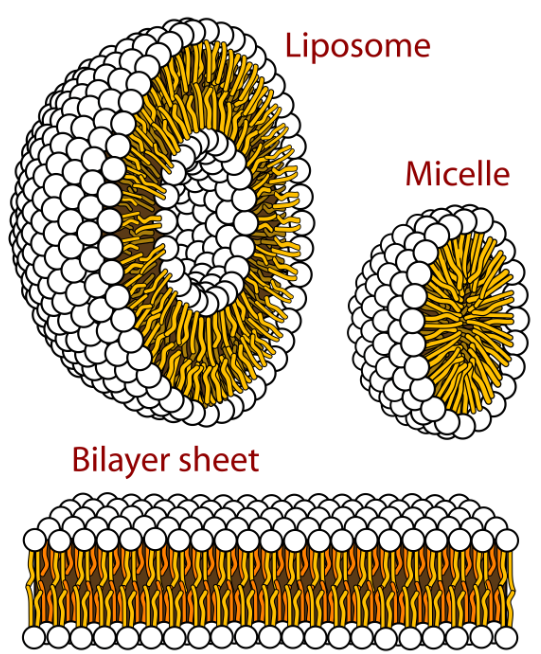
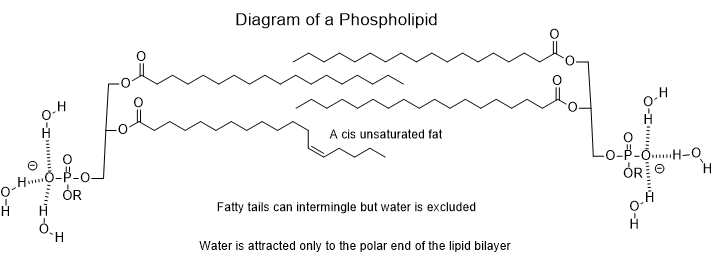
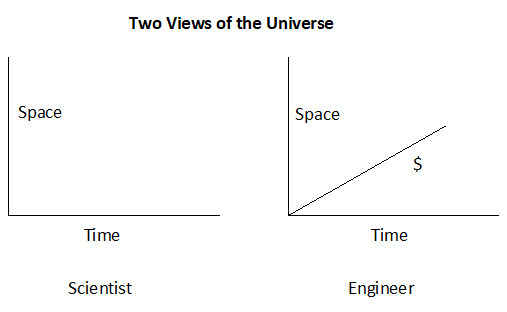
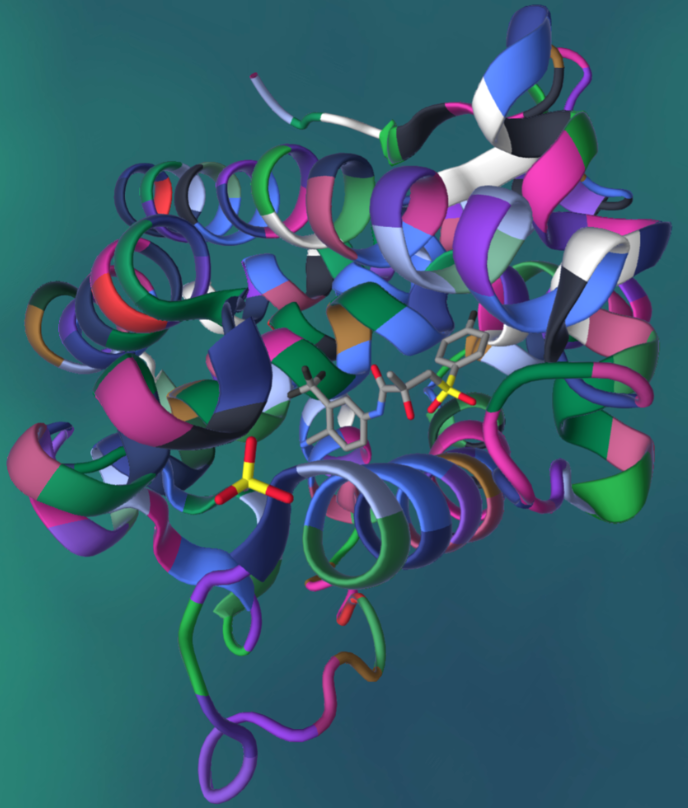
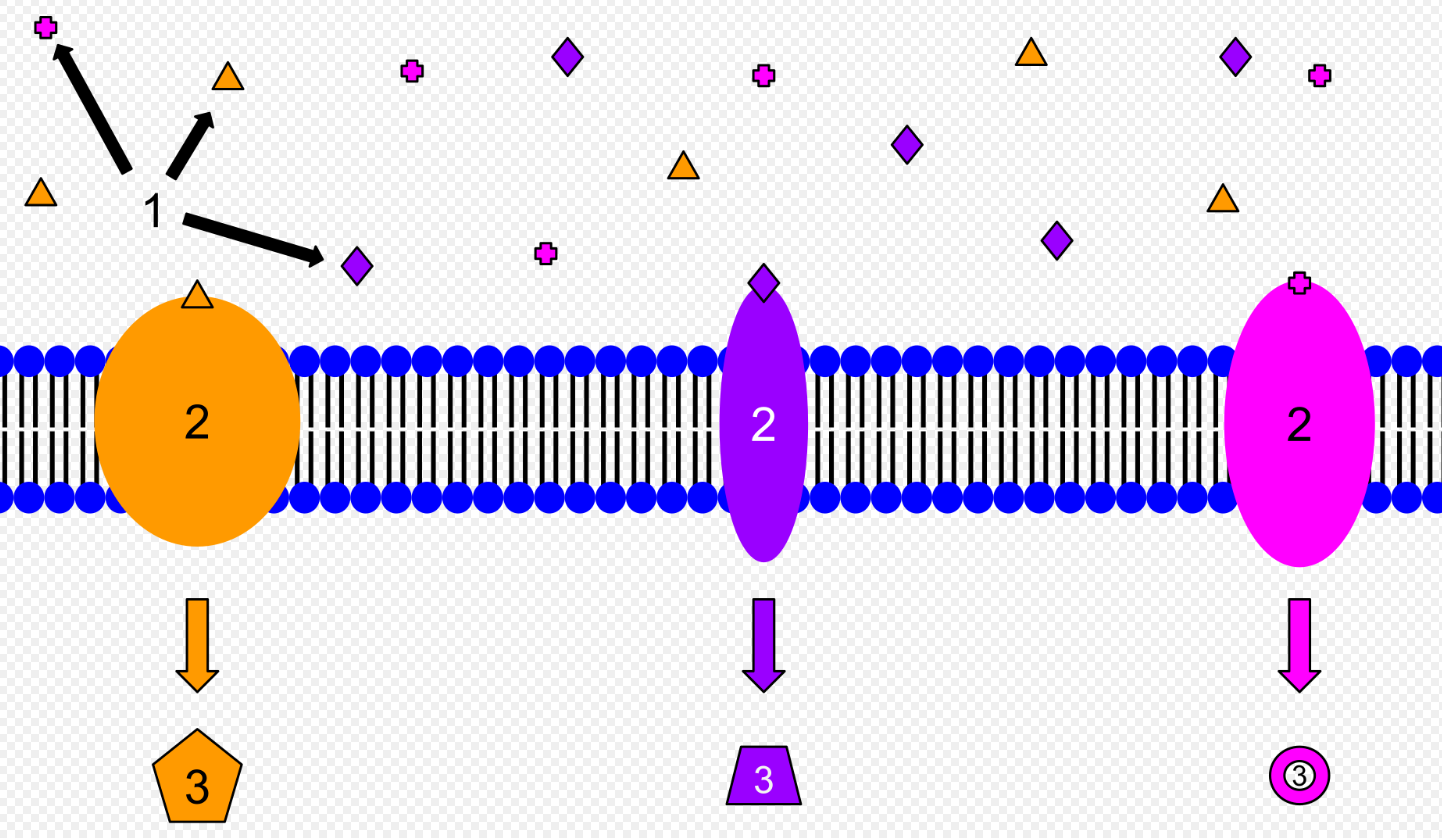
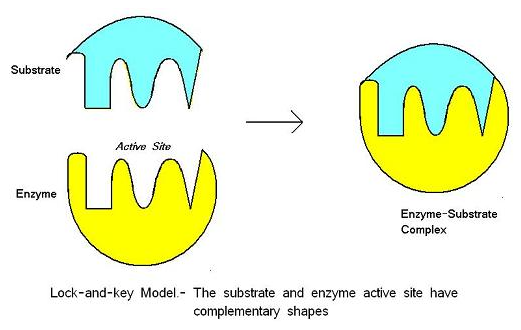
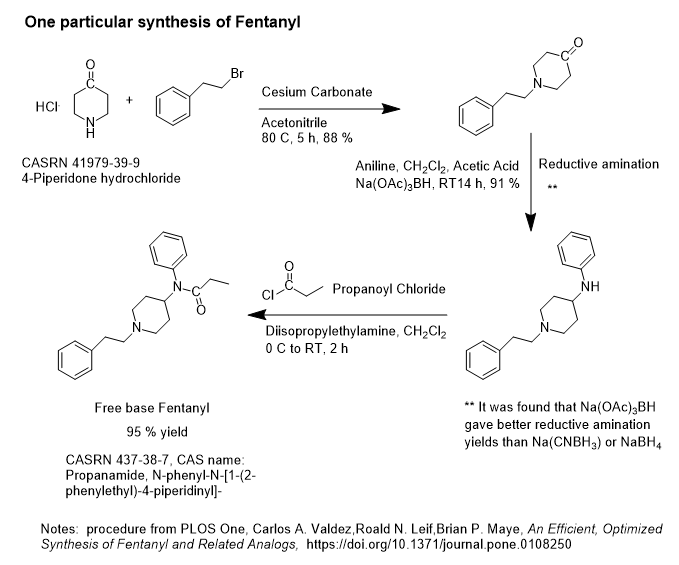
 Lamentations on Chemistry