I’m happy to speak highly of a retired petroleum geologist who produces excellent geology video content for YouTube. His name is Myron Cook, and he lives in Wyoming; he loves the geology of Earth. He is a very prolific videographer and is known as the “Bob Ross” of geology for the genteel narration of his field trips in Colorado, Wyoming, and Utah. His manner of speaking and folksy explanations are suitable for the general public, but he manages to avoid patronizing oversimplification of geology. What is nice is that all of the formations he explains can be visited.
Source: Cross sectional sketch of the stratographic geology the basement rock protruding upward through the layers of sediment pushed upwards by the Laramide Orogeny. This represents the formations adjacent to Boulder, CO. Excerpted from “Boulder, A Sight to Behold: Guidebook” (1976) by Donald D. Runnells, modified by Sheila Murphy
His videos are well-produced 20-40 minute intro-level geology seminars, combining his aerial photography, whiteboard talks, and field trip adventures into geologically interesting terrains on the Colorado Plateau and up into Yellowstone and the Bighorn Mountains in Wyoming. He is particularly adept at explaining sedimentology, an area in which I previously held little interest, but for no good reason. That has since changed.
If you live along the Colorado Front Range like I do, you’ll recognize the Boulder Flatirons, Red Rocks Amphitheater, and the Garden of the Gods in Colorado Springs. These steeply dipping conglomerate formations sit at the juncture of the Great Plains and the eastern foothills of the Rocky Mountains. They are part of the Fountain Formation, which extends steeply downward and toward the east. The formation is named for the Fountain River, where the layer was identified.
Source: Wikipedia. Fountain Formation exposure at Roxborough State Park near Denver.
Myron Cook has an excellent YouTube introduction to the Fountain Formation of Colorado. The rocks of the Fountain Formation are thought to be 290 to 340 million years old.
Mr. Cook began a video by asking the question “Is the Fountain Formation composed of sediment from the Rocky Mountains?” Well, sort of, but first consider how the adjacent sediment layers are situated. Next to the Front Range, numerous layers of sedimentary rocks lie pancaked together and aligned substantially vertical. The rule of thumb in sedimentary geology is that the oldest sediments are at the bottom and they accumulate going upwards. There are scattered apparent exceptions, but they are few and do not negate the rule.
The Fountain Formation is an alluvial fan formation of coarse red feldspar-rich granitic arkose. All of the exposed sandstone and conglomerate layers lying a few miles eastward from the Fountain Formation are likewise tilted upwards. These sedimentary exposures are not limited to the Front Range but also appear on the western slope of Colorado.
Vocabulary Update
How is ‘alluvial’ different from ‘fluvial’?
Fluvial (The Process): Relates to the erosion, transport, and deposition by active river channels. Examples include river channels, canyons, and waterfalls.
Alluvial (The Deposit): Refers to the material laid down by water, often outside the main channel during floods. Examples include alluvial fans, floodplains, and sandbars.
Usage: “Fluvial” describes the system or environment, whereas “alluvial” describes the sediment type or landform.
Source: Google (search terms: ‘alluvial versus fluvial’)
There is nothing strange about arkosic alluvial fans, except that in this case, it dips so steeply that much of it sits directly in contact with the granitic/metamorphic basement rock which is at a depth of about 10,000-11,000 ft of sediment below eastern Denver. If the alluvial fans were recent, they wouldn’t rest on the basement rock. Instead, they sit roughly two miles below many sedimentary layers. In general, the lower the sediment layer, the older the formation. Exceptions exist, and for very interesting reasons. The Fountain Formation is very old.
Another plug
If you have not visited Utah, you’re really missing out on a vast landscape of stunningly beautiful red sandstone formations. Even if geology does not do it for you, the sheer beauty of the many red river canyons, cliffs, arches and oddly eroded features should rouse the coldest of souls. Let your spouse drive so you can take in the view, just don’t say that.
Back to it
The present Rocky Mountains are thought to have begun in a third mountain building episode roughly 55 to 80 million years ago (MYA) called the Laramide Orogeny. These earlier mountain ranges are called the ‘Ancestral’ Rocky Mountains. This orogeny was the result of tectonic activity lifting mountains in New Mexico, Colorado. into Wyoming and Utah. Going north along the Rockies are other named orogenies.
The occurrence of mountain building of the Rocky Mountains far from a coastal subduction zone is rather odd. One of the more popular explanations is that subduction of the Farallon plate is unusually shallow, creating compression and uplifting far inland from the coastal subduction zone. When you push a rug or tablecloth, you’ll note that the rug or cloth will cause ripples in the direction of motion. This is similar to mountain building. It could also cause repetitive mountain building. This NASA link describes the subduction of the Farallon plate.
The Fountain Formation is much older than the present Rockies. This formation is believed to have come from the erosion of the Ancestral Rocky Mountains. But which one? One source makes reference to two prior ancestral ranges. The earliest is referred to as the Precambrian mountains and not much is known about it. It predates the Western Interior Seaway.
A second iteration of the Rocky Mountains from the next Laramide orogeny rose ca 300 MYA in the Late Pennsylvanian and Early Permian geologic periods. It was eventually eroded flat and carried away as sediment by wind and water. Sediments, i.e., sand & mud, are layered in ways that are consistent with alluvial fan formation.
Finally, 55 to 80 MYA the current iteration of Rocky Mountains arose from the Laramide Orogeny. In numerous places in or near the Rockies fossilized clams and oysters can be found at the surface. This further supports the past presence of the Interior Western Seaway.
I just remembered that I’m not writing a book. Ciao!!
Not a single reader has asked about the photograph in the header of this blog, so I’ll save the many peoples of the world from having to ask. Mineral collecting has been a lifelong weakness of mine so there was no surprise when I bought the pink mineral in a rock shop in Leadville, Colorado. The pinkish mineral in the sample is rhodochrosite, the state mineral of Colorado. Like most samples, it comes from the now-closed Sweet Home Mine, a failed silver mine in Buckskin Gulch outside of Alma, CO, between Breckenridge and Fairplay. If you are ever in Denver with spare time on your hands, the mineral collection at the Denver Museum of Nature & Science has a stunning collection on display of rhodochrosite from the Sweet Home Mine.
Source: Google Maps. Location of Sweet Home Mine outside of Alma, Colorado.
To get to the site take gravel road 8 from Alma up Buckskin Gulch which eventually terminates at a trailhead near the base of several fourteeners in the Mosquito Range. We once tried to find the mine by driving up the gulch above Alma, but there were no signs identifying the mine.
Source: Google earth. Location of Sweet Home Mine in Buckhorn Canyon.
While we did not positively identify the mine on our trip, a photograph (below) was found later of a building associated with the mine. We did see it but sailed right on by. The mine is located on private property so wandering around the site is not permitted.
Source: Facebook. The famous Alma King rhodochrosite specimen with museum dudes for scale.
Source: personal specimen purchased at a rock shop in Leadville, CO. The rhodochrosite section is placed next to manganese on the periodic table just because it looked cool. The gold-colored bits on the specimen are likely chalcopyrite.
The mining district was discovered in the usual way- the search for placer metals like gold led miners up Buckskin Creek into the gulch looking for the source of the lode deposit. Originally a silver mining claim was made in 1873. The sporadic silver mining operation was abandoned in 1966. In 1991 the mine was bought out by Collector’s Edge Minerals, a consortium, and modernized. After a period of activity, the Sweet Home Mine was closed in 2004. However, another mine called the Detroit City Portal was begun by Collectors Edge on nearby Mt. Bross in 2016. This new operation, yielding many fine specimens was finally closed in September of 2024.
Source: Mindat.org. Looking north towards the Sweet Home Mine and what appears to be Mt Democrat on horizon.
“Mineralization is generally in base metal-silver-rhodochrosite-fluorite veins predominately hosted by meta-igneous and metamorphic rocks, with minor mineralization in porphyritic dikes and pegmatites. There are five main veins in descending order of production: the Main, Tetrahedrite, Watercourse, Blaine and Blue Mud veins. The Blue Mud Vein is a barren post-mineralization fault-vein, and production from the Blaine Vein was minor. Overall, the planned extent of the mine is small (1000 feet x 400 feet) with about 5,000 feet of workings, and the overall hydrothermal alteration zone small, despite evidence of on-strike continuation of the veins in the collapsed Tanner Boy workings directly across Buckskin Gulch. And even within a vein, rhodochrosite finds were limited.”
“Three conditions were responsible for the formation of vugs: (1) changes in strike and dip of veins, (2) vein intersections, and (3) openings formed by fault bends controlled by host rock foliation. In general, the 2nd condition was responsible for major pockets, and the 3rd for most smaller pockets. Exploration focused on fault/vein intersections. Fluid inclusion studies suggest that the hottest fluid flow produced the gemmiest ruby-red rhodochrosites.” Minedat.org
Deposits found in the mine result from mineral-saturated hydrothermal fluids moving from the mineral source-rock into faults and fractures in the formation that were cooler, leading to precipitation of the minerals. The large size of the rhodochrosite crystals in the museum collection suggests that the precipitation was gradual.
According to Minedat.org, after the buyout of the Sweet Home Mine by Collector’s Edge Minerals and subsequent modernization, ground penetrating radar was used to survey for vugs. According to the AI overview by Google in a search for “vugs”-
Vugs are- “small to medium-sized hollow spaces or cavities within rocks, often lined with beautiful, well-formed crystals like quartz or calcite, formed by mineral-rich fluids filling natural voids left by dissolution, tectonic shifts, or gas bubbles in volcanic rocks, prized by collectors for their exposed crystal formations.”
Only makes sense, right? Liquids within voids in the rock have the opportunity for crystals to grow into. Vugs are associated with faults and fractures which can be filled with hydrothermal fluids within a formation. Lode gold, silver, lead, etc., as well as quartz may line or even fill the vug. This is why some of the best mineral crystals are only found in mines and this certainly applies to rhodochrosite. Rhodochrosite contains manganese (II) which is oxidizable to a higher, more positive oxidation state, so protection from atmospheric oxygen deep within a rock formation prevents decomposition of the mineral.
Crystallographic structures of rhodochrosite are shown below-
Source: Mindat.org. A view of the crystal structure rotated to see the planar arrangement of Manganese (2+) in purple and carbonate anions (2-) in grey and red.
Source: Minedat.org. In this view the alternating layers of carbonate anions (CO3 2-) delineating the carbon and oxygen atoms. The trigonal shape of carbonate can be seen.
Below is a representation of the unit cell with atom labels. Clear images are tricky with crystal structures. Overlapping features are hard to avoid.
Source: Minesdat.org. The labeled unit cell of rhodochrosite. Partial carbonate structures can be seen contributing to the unit cell.
Rhodochrosite is manganese (II) carbonate, MnCO3, and is insoluble in water but as a metal carbonate it is acid sensitive and therefore subject hydrolysis or chemical or microbial oxidation to Mn(III) or Mn(IV). Like a great many common ionic substances, it is not regarded as suitable for jewelry applications because it is not comprised of silicate or aluminum silicate subunits common in semiprecious and more robust minerals like sapphire, beryl or garnet. The structure is composed of MnO6 octahedra connected by trigonal carbonate units. The large buff-colored balls are manganese atoms and the smaller, bluish-colored balls connected directly to the manganese atoms are oxygen atoms. The middle-sized darker balls not connected directly to the manganese atoms are the carbon atoms of carbonate.
Manganese is not uncommon in the Colorado Rockies. A mining geologist once complained to me that there was so much manganese in their gold mine tailings that it was a regulatory problem for them. For a time pyrolusite, or manganese dioxide (MnO2), was mined in Colorado, near Salida. Never a large operation, pyrolusite could be used in the extraction of gold from its ore.
Crushed pyrolusite was placed below a wooden container along with sodium chloride. To this mixture was added concentrated sulfuric acid. This generated gaseous hydrochloric acid which was then oxidized by the manganese dioxide in the pyrolusite into chlorine gas which flowed up through the container of gold ore combined with the gold ore and generated gold chloride. The water-soluble gold chloride was removed with water, then isolated and into this pregnant solution was dumped scrap iron. The iron reduced the gold chloride and finely divided gold precipitated out. This was a pretty danged clever method for use in the field as it required only water, NaCl, H2SO4 and pyrolusite mineral which could have been mined in Colorado.
Oh, BTW. You might know that a way to generate a stream of fairly dry HCl gas (in a lab fume hood!!!) is to place granular NaCl into a vented flask and slowly drip conc H2SO4 from an addition funnel on it. A stream of nitrogen is used to force a flow of HCl out of the flask and through a sparge tube into your reaction flask.
And, speaking of metals ...
Nearby the Sweet Home Mine, a hop, skip and a jump across the ridge to the NW is the Climax Molybdenum Mine on Fremont Pass just west up the road from the Copper Mountain Ski Resort. This major mining operation is owned and operated by Climax Molybdenum Company, a subsidiary of Freeport-McMoRan. If you look at the image for a minute, perhaps you can see that most of Bartlett Mountain is gone. Just imagine laboring in a frigid mine above the 11,000 ft altitude. I’d be dead by noon the first day …
Source: Google Earth. Just a few miles NNW of the Sweet Home Mine is the Climax Molybdenum Mine on Freemont pass.
The mineral of interest at the Climax is molybdenite, or molybdenum sulfide, MoS2. The deposit was discovered in 1879 by prospector Charles Senter who was actually prospecting for gold or silver. By 1895 Senter found a chemist who determined that the mineral contained molybdenum. At that time, however, there was no market for the moly. In a few years steelmakers discovered that molybdenum had application in steel making and, with the onset of WWI. the mine went into full production after it was discovered that the Germans were using it to strengthen steel in their tanks and weapons.
The National Mining Museum and Hall of Fame down the road in Leadville has a large collection of interesting artifacts from early mining efforts at Climax. If you have been in many mines, you’ll know that they are mostly hallways that have been blasted out of solid rock. When mining activity stops, they are eerily quiet.
Image source: National Mining Museum in Leadville, CO. Colorized photo of lunch time in the mine.
Molybdenum sulfide is also valued as a dry lubricant for use in the temperature extremes and vacuum of space. Dry, low vapor pressure lubricants are used to prevent evaporation and contamination of optical surfaces on a satellite.
This is an encore release of a much earlier post. –gaussling
After an insane week in the lab a road trip to the cool meadows of the nearby mountain range was just what the doctor called for. It was the last weekend before the family- one teacher and one kid- return to school. Summer break 2009 is history.
We piled in the car and pointed it uphill towards Leadville, Colorado. The planetary atmosphere thinly blankets this insanely high mountain city. It was just what I needed to clear my scrambled mind. Nothing like blinding sunshine and mild oxygen starvation to reset a brain in chronic spasm from sensory overload.
Leadville sits at 10,152 feet above sea level. If you doubt the effect on your stamina, just take a short sprint in any direction. Or just plod up the stairs of your hotel. Lordy. All of those business dinners- all that lovely Cabernet and Crème Brûlée- and years of driving a desk have caught up with me.
Leadville is located in the Colorado mineral belt and began to populate with fortune seekers about the time of the Colorado gold rush in 1859. Some placer gold was found in the streams, particularly in what was then called California Gulch, but for the most part Leadville became a silver camp.
In 1874, two investors with metallurgical training, Alvinius B. Woods and William H. Stevens arrived in Leadville and analyzed the muds found in the local sluicing operations. According to A Companion to the American West, edited by William Francis Deverell, (2004, Blackwell Publishing, ISBN 0-631-21357-0, p. 319) Woods and Stevens found the heavy black mud so problematic for gold sluicing was in fact composed of lead carbonate with high levels of silver. Woods and Stevens invested $50,000, quietly buying as many claims as they could and began hydraulic mining operations immediately.
By 1890 there were nearly 90 mines in operation employing 6000 miners. At its peak there were 14 smelter operations supporting the mines. Leadville was a genuine boom town with the expected mix of characters.
A mine is a hole in the ground with a liar standing at the top.
All mining towns have characters who go on to dominate local legends and stories. Among the well-known-for-being-famous rags to riches to rags players in Leadville are Horace and Agusta Tabor, along with Horace’s mistress and 2nd wife, Elizabeth “Baby Doe”.
To make a long story short, Horace was a struggling shop keeper who invested in a mine east of Leadville. Though it was salted by the previous owner to entice buyers, Tabor dug 25 ft further down the shaft and struck a rich and extensive vein of silver ore. The operation was called the Matchless Mine, after Tabor’s favorite brand of chewing tobacco.
According to the tour operators, Tabor operated the Matchless Mine 24/7 for 13 years, pulling an average of $2000/day of silver out of it. At its peak, the mine is said to have employed 100 people. Miners were paid the common rate of $3.00 per day to climb 365 ft to the bottom of the shaft for 12 hour shifts.
The underground workings of the mine followed the vein structure and focused on sending concentrated ore to the surface. Buckets carrying approximately one ton of ore per load (my estimate) were tipped into ore carts and rolled into the ore house for hand sorting. The most highly concentrated and valuable ore was dumped down a chute for loading into a rail car and the gangue (or tailings) was dumped into the gulch.
An assay building (not shown) was on site to provide a continuous assay and accounting of silver sent to the smelter in Pueblo, Colorado. Unlike many other mine operators, Tabor owned a rail operation and had a spur at the mine for pickup and delivery of ore. Many mine operators had to employ mule-skinners to cart wagon loads of ore to a rail siding for transport to the nearest smelter.
In 1893 the repeal of the Sherman Silver Purchase Act and the collapse of the railroad industry bubble were part of a panic that lead to a crash in silver prices. Tabor lost everything and, as a respected public figure, was appointed postmaster of Denver for a short time. Eventually Tabor died at age 69 in 1899. Ex-wife Agusta had invested her divorce settlement wisely in Denver and lived comfortably. Widow Baby Doe Tabor was found frozen stiff in her shack at the Matchless Mine in 1935.
Matchless Mine Shack
All of the digging from the boom time of Leadville has left an enduring legacy for those who live in the watershed. Much of the mining activity occurred uphill, east of the city and as a result, that area is pock marked with many large colorful tailings heaps. While the colors are interesting to ponder and sample, the ground and surface waters are greatly affected by aqueous extraction of metals from these piles.
If you stand next to one of these heaps, you can’t help but notice the smell of sulfur. The ore and tailings are enriched in sulfides and once exposed to air and water, oxidation occurs to make corrosive runoff. This is a kind of heap leaching phenomenon that will eventually exhaust itself, but only at the cost of water quality.
Boomtown Legacy (Copyright 2009 All rights reserved)
Recently we flew into Albuquerque, NM, and then took I-40 to the Barringer Meteor Crater southwest of Winslow, AZ, and 5 1/2 miles south of I-40. This was a bucket list trip for me but maybe not so much for my long-suffering spouse. I’ll spare the reader of all of the obligatory selfies.
View of the Barringer Meteor Crater from the northern observation area. The brown roof in the foreground is a shelter with seating and with plaques commemorating those who own or have cared for the crater. Photo by Arnold Ziffel.
The meteor hit the AZ location 50,000 years ago and blasted a crater out of the local sandstone. The fellow who first bought the site, Barringer, believed that iron remnants of the meteor were buried within the crater, so he obtained the site by filing mining claims in 1903 that included the crater. He dug a 200 ft mineshaft into the center and drilled exploratory holes hoping to strike a rich lode of iron. Sadly for him, he found only sandstone. In fact, the fragmented remains of the meteor are scattered over the surrounding landscape. Daniel M. Barringer, a mining engineer and businessman, who bought the mining claims believed the crater was due to a meteor impact. It was many years later that professional opinions agreed that the crater was meteoric in origin. The Crater has been in in the hands of the Barringer family from the beginning.
Photo by Arnold Ziffel.
I thought this was amusing at first glance, seemingly warning that the Meteor Crater was out of order, but it was just for the water fountain. The visitor’s center has a large gift shop and an auditorium for a short video of the site and its history. The only path to the crater is through the visitor’s center. It is all private property.
The second big hole in Arizona is a whopper located north of Flagstaff. It is the Grand Canyon, of course. I had scheduled a helicopter tour of the canyon with Maverick Helicopter. at the Grand Canyon National Park Airport. They have 5 gleaming Airbus H130 helicopters that can carry 6 passengers each. Everyone gets headphones to speak in the noisy choppers.
View of the Grand Canyon looking northwest from the south rim. Photo by Arnold Ziffel.
Everybody has seen countless photos with all of the breathless descriptions of the canyon, and yes, it is definitely Grand. We took a ground tour with Pink Jeep Tours in one of their custom pink Jeeps. This was in the fall shoulder season for tourism so the crowds were manageable. Gawping at it from the rim was nice but to have a real canyon experience I think you have to go into the canyon.
Note: Some of the VLA pictures are duplicated from a recent post.
Once we completed our tour of Arizona’s two gaping holes, we pointed the car east and drove to the Very Large Array (VLA) near Magdalena, NM. They put on an open house for the public on Oct. 11, so I was obligated to grab another bucket list trip. Again, the spouse unit was luke-warm but I was impressed.
One of the 26 operating dishes at the VLA in New Mexico. Photo by Arnold Ziffel.
One of the 27 dishes is in the shop and 26 are in the field.
A view from under one of the dishes towards 5 more. Photo by Arnold Ziffel.
This is the machine they use at VLA to haul around the dishes when they need to be moved. When loaded it moves at 2 mph. Photo by Arnold Ziffel.
It takes the dish transport machine two weeks to reposition all 26 VLA dishes. The rails were installed to be rated for highspeed rail operations. This rating evidently ensures that dish transport is as smooth as possible.
One of the side effects of my 5 years of community theater experience on top of my beta-blocker high blood pressure meds has been that I tend not to get stage fright. I am likely to say things thar ordinarily I might not say. Beta-blockers have been successfully used to suppress the anxiety of stage fright. It works. The young radio astronomer tour guide kept referring to black holes in his spiel. Tired of this patronizing whizbang black hoIe talk, I asked him if it was possible for an astronomer to not mention black holes while speaking. He said he didn’t know. The younger VLA astronomers in the group were greatly amused by this blunt question.
When asked about the sensitivity of the VLA radio telescope system, the guide said that if you were out at the orbit of Pluto and used your cell phone, you would be the brightest radio object in the sky. Yikes.
A year ago atop Mauna Kea on the Island of Hawai’i we saw these radio telescopes. The photo does not show the howling, frigid wind. It was dang cold.
Radio telescopes just below the very summit of Mauna Kea on Hawai’i Island. Photo by Ginger Rogers.
After VLA we left for Albuquerque 2 hours to the north. The next day while waiting for our flight, we visited the National Museum of Nuclear Science & History. There was a similar museum in Las Vegas, but a bit smaller. This museum was packed with artifacts from the early nuclear age.
A mockup of an atomic pile used for Dragon’s Tail experiments aimed at finding the critical mass of the explosive pit. Lead bricks were piled up around a stack of what I believe are uranium cubes surrounding the fissile material. Some kind of radiation detector lies next to the pile.
At the time of the Manhattan Project, not much was known about the range of hazards of radiation exposure and dosing. And this may have been especially true for neutron exposure. Neutron activation was known, but the physiological consequences were poorly understood. Large doses of radiation correlates well with physiological effects, but in the low dose range, it begins to be sketchy. Radiation dosing tends to be stochastic in its effects.
Outside of the Nuclear Museum were numerous rockets and aircraft on display. Notably a model of the tower that held the Trinity gadget. On the lower end of the tower the gadget can be seen being hoisted up into the tower.
What a thermonuclear weapon looks like after it is dropped from a bomber by accident.
The actual cannon that fired a nuclear cannon shell and seen in film.
A photo after the nuclear cannon shell detonated.
Why a radium hair clipper? Because there is a sucker born every minute.
Early atomic age children’s literature.
On my 50th birthday I actually went uranium prospecting near Idaho Springs, CO. I had a tip that pitchblende had been spotted nearby. All I managed to do was contaminate the Geiger counter with natural radioactive material that spoiled the calibration of the counter. Pisser.
The top end of an ICBM with numerous MIRVs (the black conical objects).
A mockup of the top end of an ICBM with numerous MIRVs, Multiple Independently-targetable Reentry Vehicles.
Alert!! I spotted a Radio Shack store driving through Socorro. Driving by I could see shelves inside- it looked open for business. It was like spotting a wooly mammoth or a Dodo bird. I spent a lot of money at Radio Shack while in high school in the ’70s.
The stars lined up just right to attend an open house at the Very Large Array (VLA) near Magdalena, New Mexico, on October 11, 2025. But first, a diversion to Arizona from Albuquerque, NM. Our first stop was the Barringer Meteor Crater near Winslow, AZ. This gaping hole in the ground is maybe the best example of an impact crater anywhere. If you happen to be driving along on Interstate 40 in Arizona, is it worth the 5 1/2 mile diversion and the admission price? I’d say yes, but is it worth visiting after a long drive from Chicago for a single destination? I don’t know. Your call.
Out of order sign at the Meteor Crater. Photo by Arnold Ziffel.
At first glance the sign seems to say that the Meteor Crater is out of order.
Without a wide angle lense this is the widest shot we could get from the walkway. Photo by Arnold Ziffel.
Too small to see clearly are the remains of mining operations at the center of the crater. Mining engineer Daniel M. Barringer dug a 200 ft deep mineshaft looking for remains of the meteor believing that it should be rich in iron. Not much was found. The boiler and steam powered winch remain in place, rusting away. Barringer received a land patent for 640 acres centered on the crater. The crater remains in private hands to this day.
Gaping Hole #2.
Gaping hole #2 would be the Grand Canyon. it was my first visit. We enjoyed a helicopter tour over this famous canyon. We rode in an Airbus H130 and were treated to a smooth ride. The pilot played the song Danger Zone from the movie Top Gun as we lifted off. It was a little corny, but who cares. Helicopter rides are always spendy, but often worth it as this one was.
Is there anything new for me to say about the Grand Canyon? Ah, nope.
After the fog lifted out of the canyon, this appeared. Photo by Arnold Ziffel.
The stratigraphy of the canyon is fascinating. The Grand Canyon has been eroded out of the Colorado Plateau by the Colorado River over geological time. As the plateau lifted upwards, the river cut downwards. The many buttes and ridges in the canyon remain to show the fickle nature of erosion. Meteoric water and gravity cut through the canyon walls from the rim all the way down to the present course of the river- a mile deep in some places. The basement rock of granite is even exposed in some locations. It is striking how the many layers of sedimentary rock have stacked from such great depths. Deep geological time is impossible to comprehend. Each layer was put in place in a way that driven by the climate and location of surface of the earth at a particular time. Many variations of sandstone, limestone and dolomite are found resulting from the unique sedimentation processes of the time.
The United States Geological Survey, USGS, has released an interactive geological map that includes 4 layers of stratigraphy- Surface, Quaternary, Pre-Quaternary and Precambrian layers with color coded rock units displayed. A click of the cursor on the map reveals the type of rock unit chosen. The website is called The Cooperative National Geologic Map.
The state of Nevada is quickly becoming the leading source of lithium in the USA and beyond. In the state there will soon be three major types of lithium ore beneficiation- Brine evaporation, hard rock extraction and lithium clay extraction. Nevada already has in excess of 180,000 active mining claims amounting to 49 % of the total BLM national inventory. In addition to this, Nevada has “198 authorized mining plans of operations, and 282 active exploration notices.” Nevada has a long history of fruitful gold and silver mining.
Nevada had earlier won the gold deposit lottery with the Carlin Trend occupying much of the northwestern section of the state. The Carlin Trend has become an archetype in gold mining. These deposits are often described as Carlin-type “invisible gold” ore deposits. Such a deposit is characterized as sediment hosted and disseminated [Editor: disseminated seems like a bummer]. Gold in such deposits are typically invisible and often only detected by lab analysis. According to Wikipedia, most of the gold mines in the Great Basin of the western US are of the Carlin-type.
But, enough about gold and on to lithium
After 6 years of regulatory scrutiny, a new lithium-boron open-pit mining operation in Nevada operated by Australian mining company ioneer has just been approved by the Bureau of Land Management, BLM, for Rhyolite Ridge. The mine is located in the Basin and Range Province near the southwest border of Nevada and California.
The old joke used to be that a mine is a hole in the ground with a liar standing at the top. With the independent economic evaluations available today as part of the disclosure to investors, the likelihood of being duped by fake or salted deposits has dropped considerably. However, the market value of the ore in the future is still subject rapid and unpredictable change.
If you find yourself flying over Nevada on a clear day, you can easily see the basin and range features of the terrain. Nevada occupies only a small part of the total area. The basin and range province extends north to the Columbia Plateau and south into the Central Mexican Plateau.
A very small part of Nevada’s basin and range landscape as viewed from above the Rhyolite Ridge area in Nevada. Image from Google Maps.
The Basin and Range Province of North America. Image from Wikipedia.
Rhyolite Ridge Lithium-Boron Project
The BLM approval opened up $1.19 billion of potential funding of which $700 million is from a US government loan. According to Mining.com, Rhyolite Ridge is the first new lithium mine in 60 years and the first new boron mine in the last century in the US. [Note: I have to assume “new” means new hard rock mineas opposed to brines or evaporites] While the approval by BLM has opened some doors to funds, not everyone is convinced of the major investor’s liquidity.
So, what is rhyolite?
I can’t improve on the definition found in Wikipedia, so I’ll just quote it with the links intact-
If you have ever seen molten glass and noticed its high viscosity, this gives an idea of what high silica content does to lava. The higher viscosity provided by the silica component suppresses the release of gases until nearer the surface where they are released as bubbles with vigor. It is very much like a comparison between boiling pasta water and boiling marinara sauce. The marinara sauce spatters badly due to its viscosity but the pasta water just does a rolling boil.
Source: Mashed.com. Spattering is a universal behavior of hot, gassy fluids. In this case the gas is steam. Magma also contains steam.
The Rhyolite Ridge lithium-boron (LiB) deposit is said by some to be the only known LiB deposit in the US and only one of two known in the world.
“The Rhyolite Ridge mine will run for 22 years. It will produce 22,000 tonnes of lithium carbonate a year. That’s enough to power 370,000 electric vehicles. It will also produce 170,000 tonnes of boric acid, according to the company. The boron contributes 30% to 40% of the mine’s revenue, providing a buffer against lithium market volatility.” –Mining.com
Around the world new economic lithium deposits are being discovered now and then, and a few are being readied for mining. It was announced recently that BLM has approved operations at the Rhyolite Ridge Lithium-Boron Project in southwestern Nevada.
What is interesting about this Rhyolite Ridge project is that it aims to produce both lithium and boron. I’m not an engineer so maybe I’m overly impressed, but the processing plant they propose seems very clever. They will produce their own sulfuric acid from sulfur and extract waste heat for use in generating steam for evaporation of the extracts and electricity. They are completely off the energy grid.
The extracted ore, now called ROM or run-of-mine, is transported to the plant straight from the mine and sized by crushing to 20 mm pieces. The crushed ROM is then taken to a series of sulfuric acid extraction vats and leached for ~ 7 days. The pregnant leach solution containing the lithium, boron and soluble impurities is then taken to evaporators with repeated crystallizations and, using differential solubility, separates the lithium component from the boric acid. In the end they produce lithium carbonate. The video does show a soda ash (sodium carbonate), Na2CO3, silo so I assume that is where the carbonate comes from to produce lithium carbonate, Li2CO3 and to neutralize residual sulfuric acid.
Silver Peak Lithium Brine
Of interest is the nearby Silver Peak lithium brine operation operated by Albemarle just a few miles to the north of Rhyolite Ridge. The Google Maps image below shows the evaporation ponds at the Silver Peak lithium operation. Silver Peak produces both technical grade lithium carbonate and lithium hydroxide.
Image from the Operational Land Imager-2 (OLI-2) on NASAs Landsat 9. A view from space of the Silver Peak lithium brine evaporation ponds in SW Nevada.
McDermitt Caldera: Thacker pass
Another large lithium deposit was discovered in the McDermitt Caldera along the Nevada-Oregon border. Within the caldera is the Thacker Pass Lithium Mine. This lithium deposit was approved for open-pit mining by BLM on January 15, 2021, though it has been plagued by protests and an injunction. As with the rest of the McDermitt Caldera lithium, the Thacker Pass lithium is described as a lithium rich clay deposit. This is unique for lithium mines since brine extraction and hard rock mining of spodumene have been the norm. Thacker Pass’ lithium deposit is the largest known volcano sedimentary deposit in the US at an average grade of 0.22 %.
In 2023 GM invested $650 million in the Canadian Lithium Americas Corp. The Thacker pass operation is through its wholly owned subsidiary Nevada Lithium, LLC, which is responsible for production. Car giant GM’s investment gives them exclusive access through the first phase of production. Lithium Americans has received a conditional approval for a $2.2 billion loan from the US Department of Energy.
The Thacker Pass measured and indicated lithium resources are 13.7 million tons of lithium carbonate equivalent. Lithium Americas calculates that the recoverable lithium is worth $3.9 billion.
Interestingly, the McDermitt Caldera is possibly the oldest of a sequence of calderas produced by the Yellowstone Hotspot. The McDermitt Caldera amounts to a lava dome that collapsed ~16.4 million years ago forming a large caldera within which several smaller calderas have formed and in which later filled with water forming a lake over the tuffaceous ash. Over time the lake produced sediments that were deposited on the floor of the lake. The source rock is rhyolite which is usually the case in the state.
The Yellowstone hotspot stays relatively constant while the crust moves over it, leaving a trail of calderas and a record of volcanic activity on the surface behind. The McDermitt caldera is labeled ’16’. Source: National Park Service.
Briefly, the lithium clay is excavated, gravel and rocks are removed, and the clay is suspended in water to form a slurry. The slurry is leached by adding sulfuric acid that is produced on-site and the lithium in the ore is extracted into the acidic liquor. Finally, the dissolved lithium is recovered as lithium carbonate and lithium hydroxide. Gangue material is deposited back into the excavated sections of the mine.
The McDermitt caldera contains many breccia and fracture zones and associated with these are deposits of other metal ores. Specifically, mercury from cinnabar ore bodies and uranium from autunite (uranyl, U6+) (Ca(UO2)2(PO4)2·10–12H2O) and pitchblende (uranate, UO2, U4+) ore bodies. Mercury reserves in the caldera, according to USGS, are estimated to be 400,000 flasks.
A Mercurial Rambling
Mercury has been packaged (and still is) at 76 pounds to the flask. This measure got its name from the mining and smelting of cinnabar in the mountains of Peru. One site was particularly rich- Huancavelica, Peru. The Spaniards had known prior to their arrival to the New World that liquid mercury could dissolve gold from ore to produce what we now know as a mercury amalgam. With very strong heating the mercury could be driven off as vapor to recover the precious metal.
Spain had its own cinnabar mine in what is now Almadén, Spain, which produced over 250,000 tonnes of mercury. The Spaniards had considerable experience with mining, refining and using mercury prior to discovery of it in the new world. Mercury was quite valuable to the Spaniards but they were faced with transporting it from, say, Huancavelica, Peru, to the Carribean coast where their ships could load the mercury and distribute elsewhere. Anecdotally, it has been estimated that for every ounce of gold produced in the new world, ten ounces of mercury were consumed.
Luckily for the 49er gold rush miners, cinnabar had previously been discovered in California. You can actually visit the old New Almaden mine museum south of the Bay Area. It is worth a trip if you are in the area.
The Spaniards figured that a man could carry what turned out to be as much as 76 lbs of mercury through difficult terrain to the Caribbean coast. Even better for the Spaniards, they knew how much gold could be extracted per pound (or whatever unit) of the mercury they dispensed. This gave them an idea of how much gold to expect and closer control of the mines. By controlling mercury, they controlled who could use it for mining and how much gold they could recover.
Back to lithium
As of this writing, Albemarle is the largest producer of lithium in the US. But the largest known deposit in the US is at Thacker Pass. The Albemarle Silver Peak lithium brine operation is legally defined as placer mining whereas the Thacker Pass operation is lode mining. The word ‘legally’ is used because any claims filed are restricted to placer or lode mining- one does not transfer to the other.
A Word or Two About Rhyolite
Rhyolite is a type of volcanic rock characterized as a ‘fine-grained extrusive igneous rock‘. Its color can vary from pale light grey to pinkish when composed of mainly quartz and feldspar or dark when of a mafic, low silicate composition was present. A quiet eruption of lava gives a solid, denser rhyolite whereas in an explosive eruption can produce the vesicular pumice. The lower density of pumice allows it to float on water. Erupting volcanic islands can produce floating rafts of pumice in the nearby waters. As magma rises in the throat of a volcano, the pressure drops and dissolved gases can form bubbles which, if they fail to disengage from the magma completely, can be ejected into the cooler air and freeze into ‘foamy’ structure. [Note: the word ‘foamy’ is my own and earth science people cannot be blamedfor this.]
A Bit More About McDermitt Caldera
The United States Geological Survey (USGS) published open-file report 76-535 in 1976 titled Geology and Ore Deposits of the McDermitt Caldera, Nevada-Oregon. A 1978 USGS open-file report by Newmont Exploration, Ltd., 78-926, James J. Rytuba and Richard K. Glanzman, Relation of Mercury, Uranium and Lithium Deposits to the McDermitt Caldera Complex, Nevada-Oregon, goes into greater detail on the three minerals.
If you look the chart of elemental abundances in the cosmos below, you’ll notice that beyond hydrogen and helium atomic numbers, there is a steep log-scale drop in the abundances of lithium, beryllium and boron, or just ‘LiBeB’. This is followed immediately by a sharp exponential rise in the abundance of carbon, nitrogen and oxygen, etc. Beyond oxygen there is a general downward trend in elemental abundances. Well, except for iron, Fe. It is a special case related to the demise of stars. The zig-zag in the curve is explained by the Oddo-Harkins rule which postulates that even numbered atomic numbers are more abundant. I’ll leave this to the reader to explore.
Maybe 15 years back I decided to understand why each of the LiBeB elements are so scarce. And, if they are so bloody scarce, then how do they end up concentrated in ore bodies on earth? As a first-order approximation, you’d think that the explosion of stars and the resulting rapid dispersal of matter into the surrounding space would argue against the LiBeB concentrations on a planetary body like earth.
So, here is the question: Given that the cosmic abundances of lithium, beryllium and boron (LiBeB) are dramatically smaller than the succeeding light elements, how is it that “concentrated” ore bodies containing these elements exist on Earth?
Source: Wikipedia. “Oddo–Harkins rule.” Notice that the vertical axis is a log scale.
As I look at it now, the answer is bloody obvious. But when I asked the question 15 years ago, my understanding of hydrothermal activity and fluid movement through the earth’s crust was pretty slim nonexistent. But hey, my focus in college was not astronomy or geology.
The graphic below shows how elements can be grouped according to a few particular categories. It is an absolute tragedy that the Platinum Group Metals (yellow shading) are in such the low abundance. These elements are uniquely valuable in chemical and industrial applications.
An even more fundamental question is, how is it that the cosmic abundances of lithium, beryllium, and boron are so low? Answer: they can’t survive the temperature and pressure conditions in the core of a star. They are fuels and therefore too delicate.
So LiBeB nuclei are produced during cataclysmic stellar explosions by some kind of spallation process, scattering fragments of larger nuclei into space. Another theory claims that cosmic radiation is responsible for the spallation of larger nuclei leading to LiBeB fragments. Subsequent generations of star formation resulting from an accumulation of hydrogen, helium, and heavier elements can lead to a star system with a protoplanetary disc where mass is brought into closer proximity. Mutual gravitational attraction between dust, chunks and aggregations of solid phase matter not already drawn into the star begin over time to aggregate and form planetary bodies. Some of the larger bodies are heated to liquid phase by collisions. Smaller mass objects may remain in the solid phase. Planet or moon sized bodies can collide to produce another planetary body or just debris. A fluid body of sufficient mass will spontaneously alter its shape in the direction of spherical such that all of the mass is as close to the center of gravity as possible. A spherical planet is one in which all of the mass is as close to the center of gravity with minimum potential energy as possible. A flat, disk-shaped body does not. It is hard to say just exactly how a flat planet-sized body would form with only gravity to drive it.
A cooling but still partially molten planetary body will begin to sort its large-scale composition by density and melting point. High melting point materials near a cooler surface will form solid crystalline bodies within the magma and then settle and possibly stratify according to density, then re-melt and disperse and convect to repeat the process. With cooling, the magma becomes increasingly viscous which would be expected to slow down mixing within the magma body. Over a long period, the planetary surface will continue to cool by loss of radiant energy and eventually the surface will crust over. Planetary bodies will accumulate mass by gravitational attraction as they sweep through space in their orbits, adding whatever chemical diversity that may be falling inwards to the surface. It seems reasonable to suppose that infalling dusts, rocks and asteroids are not uniform in their total compositions and may result in a non-uniform, spotty distribution of elements on the planet.
Solidification
Well before the surface cools to the point where a gas such as water can condense to form bodies of liquid water, water vapor in the atmosphere can convect to produce clouds at altitude, releasing latent heat and further adding to the heat transfer from the planet. Eventually, liquid water on the surface of a cooling planet can carry heat energy upward by conduction from the surface and atmospheric convection upwards, releasing the latent heat of condensation as clouds form in the upper atmosphere where it is colder. Heat transferred to the atmosphere will radiate infrared energy in all directions including space. The planet has developed weather.
Source. GIA. Formation of minerals from magma. Minerals with the highest melting point begin to crystallize first, depleting the molten phase of those components. This is fractional crystallization described in Bowen’s Reaction Series.
Solidification processes in a magma begin to spontaneously partition or nucleate into particular combinations of elements. Some groups elements like silicates combine with metals into molecules (covalent bonds and ion pairs). For a period of time on any given crystalline surface, the temperature will support equilibration to and from the magma wherein ionic species will attach to the crystalline surface from the magma. With sufficient temperature, ions can detach from the surface and diffuse into the magma. This process will continue as the temperature drops freezing the magma and suppressing diffusion.
Bowen’s Reaction Series summarizes trends in the order of melting/freezing of various classes of minerals with temperature in magma. From location to location, the composition of magma is variable where some may be silicate rich and others silicate poor. That melting/freezing points of minerals vary with composition shouldn’t surprise my chemist friends.
Graphic: Shamelessly and laboriously redrawn by Sam Hill.
Reaction selectivity is driven by the sign and magnitude of Gibbs energy in a particular transformation and the ability of the combination process to be reversed at the local temperature. The formation of crystals or their dissolution in hydrothermal fluids or magma is taken to be a type of reaction. Many of the species present at magma temperatures will be ion pairs.
A few covalent species like the highly stable Si-O bonds in silicates are found in great abundance. The O of Si-O may or may not be connected to other silicon atoms such as … -O-Si-O-Si-O-Si-O-Si-O- … for examples. There is no upper limit to the number of O-Si groups possible in minerals, though their assembly can go many directions. Quartz is a 3-dimensional network homopolymer. All 4 of the oxygens on silicon are connected to adjacent silicon atoms via the oxygen linkages. Quartz is a mineral comprised of all covalent bonds. Quartz has a much higher softening temperature than manufactured glass.
Silicon readily forms tetrahedral connections with oxygen as in silicate (SiO4)4- units. Si-Si bonds are not found in nature.
In a hydrothermal fluid solution or in magma, ionic species randomly diffuse, collide or swap partners. Charged species like iron (2+) cations can collide but will bounce apart owing to their like positive charges. But at a sufficiently low temperature, a sulfide (2-) anion can collide with the oppositely charged iron (2+) cation and remain connected as iron sulfide. The two ions are now chemically bonded and in doing so, heat is released and dispersed into the surroundings leading to a localized increase in temperature. Heat spontaneously flows from high temperature material to lower temperature material. The localized heated surrounding crystallizing minerals can keep dispersing the energy outwards, but as it encounters more mass which also absorbs heat energy, the resulting temperature rise diminishes rapidly as the energy is diluted over more mass.
Chemical transformations have two broad drivers- kinetic and thermodynamic. Kinetically driven transformations favor the pathways that are the fastest Thermodynamic transformations are equilibrium-controlled meaning that transformations that are reversable will favor the end state having the lower Gibbs energy. The Gibbs energy (ΔG) combines the heat of reaction (enthalpy, H) minus the entropy (S) times the absolute temperature (T). The entropy accounts for whatever heat energy may be gained/lost from/to the environment. When a bond forming reaction occurs, heat is released and moves into the environment.
Mineral nucleation starts with a microscopic “seed crystal or compatible surface” that will provide a template to further crystal growth by like molecules. Some combinations of elements will begin to polymerize forming high melting point, low solubility molecules comprising silicates and aluminates.
The concentration of the Li or Be or B into what would later become economic ore bodies is driven by the flow of ground water. Subsurface hot water flow in the crust is referred to as hydrothermal flow and from it is where concentration of the LiBeB begins. An ore body is a mass or formation of rock that is enriched in some particular element or group of elements. Usually, these elements are part of chemical compounds rather than pure elements. Gold would be an exception.
Definition- Minerals and Rocks
Mineral– A solid substance with a well-defined chemical composition and characteristic crystal structure.
Water, and especially hot water under pressure, will chemically alter the rock it is in contact with. While it is in contact, some fraction of the altered rock will dissolve and some components may be entrained as suspended solids in the fluid. This will extract and partition part of the altered rock into a solution with a range of possible compositions depending on solubility, pH, temperature and pressure. In this way, elements get partitioned into solution phase and away from the solid phase.
Source: Wikipedia. This diagram shows felsic magma as the heat and mineral source. Felsic magma is enriched in the lighter elements like silicon, oxygen, aluminum, sodium and potassium. Because of the enhanced presence of silicates and aluminates, the magma or lava tends to be more viscous.
Hydrothermal solutions can sit in place for a very long time, eventually saturating with mineral components. If there is cooling in place, the saturated solution can precipitate to form a solid body of mineral filling the local spaces. The deeper the fluid, the warmer it will be and likely the slower it will cool. However, if the surrounding rock is porous or develops fractures or faults, the hydrothermal fluid will flow to the zone of lower pressure. If the flow is into a cooler zone, there may be precipitation of the least soluble components leading to solid mineral formation. Precipitation can also occur from a drop in pressure.
Solubility vs Temperature vs Pressure Example with Quartz
The effect of temperature and pressure on precipitation of silicate can be seen with the beautiful pressure/temperature/solubility relationship shown below. For instance, we can see that for temperatures at or below 150 oC, there is very little change in solubility of silicate with increasing pressure. On the higher side of the temperature scale at 350 oC, we see that there is a considerable solubility change with increasing pressure. At high pressure, say 700 MPa, the solubility of silicate is most sensitive to changing temperature.
Source: For educational purposes only. Williams, Randolph; Fagereng, Åke Fagereng, The Role of Quartz Cementation in the Seismic Cycle: A Critical Review, March 2022 Reviews of Geophysics 60(1), DOI:10.1029/2021RG000768
The research article above cites the solubility of SiO2 in mg/kg water, or ppm. I am using the term silicate indicating hydrated and charged SiO2, the SiO4 tetrahedral form, which is known to dissolve in water. It is common in some of the geological literature to refer to the neutral oxide form of a mineral or metal.
SiO2 is often observed in its amorphous or crystalline topological polymer (or network polymer) form as a quartzvein, pegmatite or crystalline mineral component of a felsic igneous rock. Quartz found in a vein is there because a fault or fracture was available for filling with a hydrothermal fluid. As the curve above infers, saturation and precipitation can be abrupt with a sudden drop in pressure during a fault movement or sudden opening of a fracture network. Quartz veins are often accompanied by metallic gold in the upper oxidized zones (gossan) of the formation. In the context of mining, these veins are sometimes called quartz reefs.
Back to LiBeB
Although LiBeB elements are scarce, there are hydrothermal processes in the crust that can concentrate them in economic quantities.
An excursion into ore geology shows that selective hydrothermal extraction and transport are critical to the formation of a great many types of ore bodies. In fact, all three elements of LiBeB are moved by hydrothermal fluid transport on Earth at some point.
Lithium
Lithium metal is quite reactive and not found on Earth in the neutral metallic state. It is a single-electron donating Group 1 element and the lightest atomic weight metal of all the elements. Lithium has a large standard reduction potential of -3.05 Volts and is an excellent donor of electrons and a poor acceptor of electrons.
Lithium metal reacts with three major components of air: water, to form LiOH + H2; Oxygen to form Li2O + Li2O2 + H2; and nitrogen gas to form NLi3, lithium nitride. While other air-reactive metals can be stored under a hydrocarbon like kerosene for protection, lithium will float in these liquids and may be mixed with a heavy hydrocarbon or grease to keep it covered.
Lithium deposits can be split into two general domains- brines/muds/leachates, and hard rock deposits. Spodumene is the common hard rock source of lithium found in a few places around the world. Spodumene is lithium aluminum inosilicate and has a few variants such as Hiddenite, Kunzite, and Triphane coming from trace elements present in the surrounding rock.
The Silicate Zoo section is a bonus feature and may be skipped.
Bonus: A Step into the Zoo of Silicates
Spodumene is an inosilicate. Silicates as a group make up 90 % of the Earth’s crust. The basic unit is the tetrahedral [SiO4]4- silicate with 4 oxygen corners of the tetrahedron. These are known as ortho- or nesosilicates. The 4 minus charges are balanced by 4 plus charges provided by one or several metal cations at a time. Orthosilicates are the simplest variants of silicates.
A basic silicate ion, (SiO4)-4 with cations omitted. Graphics by Arnold Ziffel.
The corner oxygen ions of silicate can be attached to the silicon of another silicate. These are called the sorosilicates and have the formula [Si2O7]6−.
A sorosilicate ion, (Si2O7)-6 with cations omitted. Two silicates sharing an oxygen. Graphics by Arnold Ziffel.
Silicate units can also form rings called cyclosilicates. The rings consist of silicate tetrahedrons with alternating linkages of silicon-oxygen atoms. The general formula is [SinO3n]2n−.
A cyclosilicate, (Si3O9)-6 with cations omitted. Commonly called ‘D3’ when pendant oxygen atoms are replaced by CH3. Graphics by Arnold Ziffel.
There are several varieties of inosilicates. As a group they link silicate units into interlocking chains. There can be a single chain (pyroxenes such as spodumene) or two (amphiboles such as asbestos). The single chain inosilicates have the formula [SinO3n]2n−. The double chain inosilicates have the formula [Si4nO11n]6n−.
Monomeric silicates can polymerize along 1, 2 or 3 dimensions and by 1 or 2 connections to other tetrahedral silicates through the sharing of oxygen atoms. Graphic: Libretexts.
Phyllosilicates are sheet structures of silicate and have the general formula [Si2nO5n]2n−. This group includes micas and clays.
The tectosilicates are 3-dimensional frameworks and have the general formula [AlxSiyO(2x+2y)]x−. Note that aluminum may be present. This tectosilicate group includes quartz, feldspars and zeolites.
If you look at all of the general formulas, note that the negative charges must be balanced with positive ions (cations) of some kind. They are typically metal cations that vary in positive charge and ionic radius, although they can be capped off with hydrogen. A metal cation with its positive charge and ionic radius can be most easily replaced by a different metal with the same charge and similar ionic radius. Different charges and ionic radii are possible replacements but cause distortions in the lattice structure.
Minerals can form such that a silicate [SiO4]4- unit can be replaced by one or more aluminate (AlO4)-4 units and the metal counterions can be substituted by other metals of the same charge and similar ionic radius.
Back to Lithium
A growing fraction of lithium exploration and production involves lithium brines. Subsurface brines enriched in lithium (up to 0.14 %) can be pumped to the surface and exposed to sunlight in large evaporation ponds. Brines are saline solutions comprised of numerous soluble ionic substances. The lithium component must be isolated to a specified level of purity prior to sale. The most common product leaving a lithium mining operation is the insoluble lithium carbonate.
The process of concentrating a mineral from the ore is called beneficiation. An ore is comprised of the target mineral and gangue or mine waste from previous activity. The idea is to use economical physical and chemical methods to remove the gangue from the target mineral.
The largest collection of lithium brine reservoirs, known as salars, is in the Lithium Triangle in Latin America. The countries in the Triangle are Chili, Bolivia and Argentina. This area holds more than 75 % of the world’s lithium resources under their salt flats.
The salar brine is pumped into an evaporation pond and allowed to concentrate in the sunlight for a year +/-, then it is filtered and sent to another evaporation pond for further concentration. What happens next depends on which of the several possible processes is being used. The type of processing that is used depends on few things: The composition of the ore and interfering substances present; the company may have in-house technology they can adapt; there may be patent constraints in force; the process economics will apply considerable effects on equipment size and required annual throughput.
Source: Google maps. The Yanacocha gold mine owned by Newmont. The curved features are evaporation ponds taking advantage of evaporation and subsequent concentration of the brine by solar energy. This process is fractional crystallization, precipitating the least soluble ion-pairs in the presence of more soluble ion-pairs. An ion pair is defined as XmYn, where X is a cation of variable charge and Y is an anion where m and n are numbers such that m times the cationic charge plus n times the anionic charge add to zero net charge.
Economic ore is that resource which can be beneficiated and further refined and sold at a profit. So, the amount of ore that constitutes an economic deposit can shrink or grow with the market price of the product.
A recent development in lithium resources is the Rhyolite Ridge Lithium-Boron Mining Project near the ghost town of Rhyolite, Nevada, and southwest of Tonopah. The mine will be a large scale open pit operation operated by the Australian mining company ioneer. The mining will be carried out in the conventional drill-and-blast, and load-and-haul method. In the beginning the mining fleet will use automated haul trucks.
Even though nature has provided a concentrated lithium ore body, people still have to go to considerable lengths to produce economical lithium product, all the while gambling on the market price in the future.
Beryllium
Beryllium, Be, atomic number 4, has some very useful properties that make it a valuable metal. It is also quite scarce. The world’s richest beryllium deposit is located near Spor Mountain in Utah. The mine is operated by Materion Brush Inc., formerly known as Brush Wellman. The mine is operated by Materion Inc., formerly known as Brush Wellman. The beryllium rich tuff is located by trenching and drilling. Tuff is compacted volcanic ash that has been cemented into porous rock by contact with water flows. The area also contains fluorspar and uranium, separately, in combination with beryllium. Bertrandite (Be4Si2O7(OH)2) and beryl (Be3Al2Si6O18) are the chief beryllium-bearing minerals and fluorspar is a common accessory mineral.
Spor Mountain is located in South Western Utah in basin & range country that extends across Nevada to California.
The above map is from the US Geological Survey and shows 3 extinct calderas in the immediate Spor Mountain vicinity represented in blue. It is interesting that tuff, made from pyroclastic flows and ash where particulates are later cemented together, is the rock in which beryllium is found in the area AND there are 3- count ’em 3 -calderas right nearby. Coincidence?
Source: Google Maps. The red circle shows the location of Spor Mountain beryllium mines in Utah. Closer examination of the mines shows that the mines and roads are bare of vehicles. Nearby, a parking lot with large haul trucks can be seen, but the overall location leaves the impression that excavation of the ore has paused.
Beryllium is a rare element on earth showing up in veins, pegmatites and tuff. In the cosmos its existence is thought to be due to cosmic ray spallation.
“The beryllium tuff is a favorable host for beryllium ore because 1) it is adjacent to faults and rhyolite vents where mineralizing fluids could enter the tuff, 2) it is a porous, reactive conduit for mineralizing fluids, including both hydrothermal and ground waters, and 3) it contains carbonate clasts, which reacted with fluorine-rich fluids to precipitate fluorite and beryllium.” Source: USGS, 1998
Source: USGS, 1998. A rare showing of Be ore at the surface. The white band runn9ng diagonally across the image is the ore body. Most Be mining at Spor Mountain is open pit mining.
Boron
We’ll defer to the Wikipedia to provide background information on the element boron. The main source of economic boron is borax. Borax is a type of evaporite originating from hydrothermal fluids that have flowed to the surface where subsequently the water carrier evaporated to afford dissolved and suspended solid borax, a hydrated borate. Boron the pure element is not found, it only appears as set of various borates. There are monoborates, nesoborates, inoborates, phylloborates and tektoborates. The prefixes below are applicable to silicates and other oxides as well. The older Nickel-Strunz categorization system has been used to describe the classification of complex borate anions found in minerals.
Hydrolysis of Borax to boric acid. Graphics by Arnold Ziffel.
The structures of borax and hydrated borax above have been reduced to their minimum hydration. In reality these are idealized structures not reflecting the agglomeration into larger hydrogen bonded structures. Neutral sp2 boron atoms have an empty, low-lying p-orbital which can bond to the O of O-H groups whether from water or other borates.
The actual composition of any oxy-borate including borax will depend on its thermal history and its chemical environment. Attempting to dehydrate a borate may indeed remove water, but in doing so may open up a p-orbital on boron that would allow an exchange of oxygen species, whether another borate, boric acid or just another water molecule. This is not worrisome when producing boric acid, but when one of the OH groups of boric acid is replaced with a carbon atom, then dimerization and trimerization may occur even at low temperature under vacuum to form boronic anhydrides.
When ordering an organoboronic acid, look at the specs very carefully. Sometimes the water spec may be quite broad due to adventitious dehydration. Using azeotropic removal of water will work by toluene azeotropic distillation, but you may not recognize the 1H-NMR spectrum of the toluene solution because this dehydration method may produce the dimers, trimers and oligomers from the original organoborate. In my experience, the anhydrides work very well in the Suzuki coupling.
A trial sample of an organoborate must represent what can actually be made at scale. A lab sample will have an analysis of what a skilled chemist can do under optimal conditions. If the customer wants bulk boronic acid matching the qualifying lab sample, then you may be sunk if you cannot reproduce the sample specs in the plant. Been der, done dat.
When submitting an organoboronic acid to a customer for approval, avoid sending the very best material from the R&D lab. They will spec on that sample and expect to see the same thing from a production run.
In the organic synthesis area that I have been witness to, boron showed up in our lives mostly for purposes of aryl coupling chemistry with an aryl halide, an organoboronic ester and a palladium catalyst. The nomenclature gets confusing with boron species. Borax is a borate because of the B-O-B and B-OH bonds. But KBF4, potassium tetrafluoroborate, has a boron-based anion with 4 fluorides. The -ate suffix does not always mean that oxygen is in the formula. Many anionic boron species have a net negative charge because a group like OH or F brought the negative charge to make a tetrahedral boron. Quaternary borates are often used as a weakly coordinating conjugate anions where non-interference by the anion is needed.
Source: Data table from Wikipedia. Graph by Arnold Ziffel.
Lithium, beryllium and boron are all three transported by meteoric and hydrothermal water flows. When hot, pressurized water penetrates a fault or fracture system, the fluid can interact with whatever rock it is in contact with. Over long periods of time the fluid can corrode the wall minerals of the fault.
In this scenario, water can do several things to the rock. At the atomic level, the outermost layers of a crystal lattice in the mineral may be subject to aqueous hydrolysis making metal hydroxides, MOH, and liberating the anionic X– species from the latticework. Or, the water may just pull unaltered polar species into solution where they can swap ionic partners and either remain in solution or precipitate onto the surface features of the rock. If the hydrothermal fluids are in motion upwards to cooler regions above, precipitation may occur as the fluid naturally cools and depressurizing. Over time, layers of different insoluble material can stack onto the previous layers. This can go on until the void in the rock is filled and can no longer pass fluids through the fractured formation.
Conclusion
Despite the cosmic scarcity of each of the LiBeB elements, these elements may be found on or near the surface of the Earth concentrated as minerals in an ore body. Transport and placement of enriched individual LiBeB ores derives from multiple instances of differential solubility from the source rock to the ore body. Minerals that have more water solubility than adjacent minerals will tend to be transported in aqueous flows. The transported mineral gets concentrated in this way, but so do the minerals left behind. Aqueous flows at the surface can drop out their dissolved minerals as the surface water evaporates. As the surface water concentrates and cools, a sorting process is underway driven by solubility properties.
The original salt ion pair, M+X–, may be extracted into in water and dissociated to produce M+ and X– ions in solution. Other ionic substances like N+ and Y– can switch partners in a double displacement reaction and produce MY and NX. If it turns out that NX has poorer solubility than MY, then the mixture of M+X– and N+Y– will produce a precipitate of NX, leaving much or most of M+Y– in the water. Minerals deposited from evaporation are called evaporites.
Which is more desirable from the manufacturing perspective, the precipitate or the concentrated solution? Not being a mining engineer or an economic geologist, I can only speak as a person from the fine chemical industry. The precipitation of the desired product from a complex mixture seems a bit more desirable in that it is both an isolation and purification process. Often the solids can be washed and dried in a filter dryer and bang, you have your product.
Precipitating out an undesired solid component from a mixture, pure or not, while leaving the desired product in solution with solvent and other side components from the reaction is a bit less desirable. This version is at least another step away. If the product is a solid, perhaps a scheme can be found for precipitating it as well.
Notice: As an organic chemist and not a geochemist I will be using descriptions and vocabulary that may not ordinarily be used in geology. While a geochemist might easily write a lovely article that could bring tears to the eyes of the most sour geochemist, I will stumble forward with just my trailer park chemistry background- organometallic, organic, inorganic, physical and quantum chemistry.
When you step back and view mining technology as a whole, it becomes apparent that two of the largest scale inputs in mineral refining are water and electrical energy. On Earth diesel is also required in large quantities.
A good question for those who propose mining asteroids is this: Have you solved the water and electric power requirements for unit operations? Let’s say it is solved for one mineral. How will the value be mined, transported and gently lowered to the Earth’s surface without breaking into flaming pieces on re-entry or forming a crater in a city? Is there an element or mineral that is so valuable as to justify the costs and risks to be met for a space mining mission? Is it rhodium? Gold? Diamonds? Or what?
Do the people behind the fanciful images and hype believe that they only have to dock with the asteroid and grab valuable minerals from the surface? There is a good chance that the target ore will need exploration, excavation, and possibly some kind of blasting. The target elements may well be dispersed within the host rock. This will require comminution in preparation for further processing. The ore will likely need ore dressing which is the job of removing undesired rock from the valuable ore. This lowers the quantity of ore to be processed.
The rocky bodies in the solar system have surfaces of regolith. Regolith is an unconsolidated jumble of loose rock and dust presumably overlying a solid body. Given that the regolith may well be consist of rocks and dust accreted from a distant source, merely assaying the regolith might not reveal the minerals that could be there in abundance just below the regolith. There is no way around it- core samples will be needed to properly assess the economic geology.
PGM Mining on Earth
A look at the large-scale Platinum Group Metal (PGM) production activity in South Africa is instructive. The Bushveld Igneous Complex (BIC) near Limpopo and North-West provinces contains some of the richest PGM deposits in the world. The BIC is found in the Kaapvaal craton. The BIC also extends into Zimbabwe.
The Bushveld complex is located on a ‘craton‘ which is a section of continental crust that has been stable for 400 million years or so. Over that time period some portion of crust has not been subjected to subduction or rifting as an effect of continental drift. A craton is relatively untouched by continental drift over some lengthy time interval and as a consequence the crustal rocks found in a craton may be quite old. Here, ‘old’ means rock that has not been metamorphosed recently, vented out of a volcano or eroded and stratified in a sedimentary formation within several hundred MA.
The Bushveld complex is found in the Kaapvaal craton of South Africa, extending into Zimbabwe. A consequence of this location on a very stable parcel of continental crust is that vertical transposition of rock formations, i.e., subduction activity, has not led to metamorphism or folding of strata. This stability has allowed a relatively undisturbed magma chamber to form and cool, producing layered cumulates.
The formation of cumulates is a partitioning process within the magma chamber that produces solid minerals that can float or sink within the magma. Cumulates with higher density than the magma will tend to sink, building a layer, and lower density minerals will float to the top of the chamber and form an upper layer. In this way, minerals can self-purify and stratify by fractional crystallization.
While fractional crystallization can result in enhanced purity of specific minerals, the melt from which the crystals precipitate is also changing in composition. Magma is a viscous fluid and its components can undergo anion/cation exchange to produce new minerals upon further cooling. Anions include silicate, aluminate, sulfide, hydroxide, chloride, oxide, and a whole basket of metal oxyanions like titanate, tungstate, molybdate, chromate, etc. Cations include most every metal, sometimes including the noble metals. Every metal has a set of positive oxidation states that may be subject to reduction or oxidation to afford a different oxidation state or charge.
While both anions and cations present in magma have a particular charge, their individual size is important as well. Size and charge matter most when crystals are assembling. When, for instance, a calcium-containing mineral is crystallizing, the crystal lattice is subject to collisions with the whole gamut of species in the magma. If the temperature and pressure are appropriate, calcium (+2) cations nestle into a vacancy in the lattice. This is controlled by the concentration, temperature and Gibbs energy of the placement of the cation. However, if a different cation of +2 charge and similar ionic radius happens by, that different +2 cation may find itself occupying calcium’s place in the lattice. An example would be where the Ca+2 cation was replaced by Mg+2 or Fe+2.
Mineral crystal formation is a type of equilibrium wherein lattice anions and cations at the surface of the crystal are in equilibrium with anions and cations in the melt. The rate of crystallization or dissolution is driven by several things. Substitution of a Ca+2 ion in a lattice with Mg+2 or Fe+2 ions retains the charge balance in the lattice. But if a too large or too small +2 cation attempts to sit in place of Ca+2, a mismatch occurs which may be energetically favorable, but as a result may be much more prone to removal by equilibration. The interloping cation could be of such a size that its heat of formation is small and therefore subject to replacement by equilibration. Or not. The resulting mineral could be comprised of Ca+2 cations and M+2 cations in a non-stoichiometric ratio. Or a new mineral comprising a stoichiometric ratio of both cations.
The anions in a mineral substance can be quite varied and several may exist in a mineral at the same time as in the case of anions silicate and aluminate.
The Stillwater Igneous Complex in Montana, USA; the Sudbury Basin in Canada; and the Norilsk-Talnakh deposits north of the arctic circle on the Siberian Craton.
The Stillwater Igneous Complex in south central Montana, USA. Source: Google Maps.
Image from Google Maps. The Sibanye-Stillwater K3 shaft, South Africa.
Russia is the leading producer of palladium with 40 % of the global market. Norilsk Is also known as a center of non-ferrous metallurgy as well as noble metals. Norilsk Nickel, also known as Nornickel, is a mining and smelting company. Platinum Group Metals (PGM) have been recovered as a side stream of nickel and copper mining by Norilsk Nickel.
Open pit mile near Norilsk, Russia. Norilsk was originally started as a gulag in the far north of Siberia and eventually became a mining community.
The aerospace proponents of asteroid mining should spend some time at an actual mine. Breaking rock and hauling it around is simple on Earth but consider doing this in a vacuum at near-zero gravity. Look at all of the methods of conveyance and processing in operation at a mine that works only in a gravitational field. Blasting, front-end loaders, haul trucks, conveyor belts, crushers, ball and rod mills, flotation and settling tanks, lixiviation in sulfuric acid and several shifts of staff to operate and maintain it. Don’t forget the analytical lab and chemist or the maintenance group.
Proponents will always say that with the right technology, asteroid mining could work. But in the airgap between could and will is the nagging question of why? Maybe asteroid mining is best left to our descendants in the 22nd century.
A human trip to an asteroid, which is always in orbital motion and probably rotating, to mine and return with paydirt for the investors will always be high cost. Bodies outside of the Earth-Moon system will be nearby only for a short time, depending on the orbital period of the asteroid. While our Earth is measurably overheating, the biosphere is disintegrating and political turmoil is rampant on Earth, perhaps we should focus closer to home?
Humanity must stay focused on critical housekeeping activityhere on planet A. Monetizing the outer worlds can wait.
I do believe that eventually somebody will design mining technology to solve the unique problems of mining smaller asteroid bodies with negligeable gravity. Energy dense power sources will be needed to move commercial scale machines and ore. The big problem will be the economics. What mineral is so valuable as to justify the trillion-dollar expense of finding an asteroid with suitable quantities of mineral, up front R&D costs, and beneficiation and isolation of the mineral?
Minerals dispersed in the regolith matrix will need comminution, extraction by lixiviation, floatation, isolation and packaging. Now, we can get it back to earth orbit but then what? Do we just deorbit in the usual way?
Bringing home the paydirt
Let’s say they return 1000 kg (contained) of rhodium valued at todays price of $5400/toz (toz = troy ounce). 1000 Kg contained of rhodium = 32150.7 troy ounces, so 32150.7 toz x $5400/toz = $173,613, 780. However, just the rumor of 1000 kg of new rhodium about to come on the market will drive rhodium prices down. So, $174 million sounds like a lot of money and in a sense it is. But in aerospace and heavy industry, millions are quickly consumed.
Rhodium was chosen for its general scarcity and high price. There is no reason to suppose that rhodium will be more abundant on a given asteroid than on earth so numerous asteroids may need exploration by geologists. Core samples might be needed for the economic geologists to sketch out the size and value of an ore body.
There will be a threshold price of rhodium that must me exceeded before rocket launching and asteroid digging begins. This is how mining works on earth. Until then, the celestial rhodium discovery will just keep orbiting the sun into the future.
An aspect of PGMs is that the very few mines that produce them do so in a unique geological feature on a craton. The mechanism for PGM mineralization in districts like the Bushveld Igneous Complex in South Africa took place in a magma chamber where over time the magma began to cool. Magma gets its minerals from the mantle far below and from the walls of the magma chamber. In subduction zones the subducting crust is pushed downwards causing rising temperatures.
Subducting oceanic crust is loaded with water in several forms. Many minerals are ‘hydrated’ meaning that one or more water molecules are strongly attached to the mineral. These might be called coordinated water. The oxygens are strongly attracted to a cationic feature of the mineral. Interstitial water molecules may be occupying voids in the mineral lattice. Discrete water is only weakly attached and may diffuse elsewhere. Interstitial and discrete water may evaporate readily if exposed to air or heat. At the elevated pressures and temperatures of magma at depth, the three kinds of water are hot enough to flash to steam if the pressure was released. However, as the magma rises to the surface to cooler surroundings and lower pressures, eventually the water will flash to the gas phase moving magma in the direction of lower pressure. Just below the surface the dissolved gases including CO2, steam and SO2 will expand as a gas and push magma to the surface causing a volcanic eruption.
As the magma cools, the substances with the highest melting point begin to crystallize. If the crystals that have a higher density than the magma, they will settle lower in the magma chamber and form a distinct layer. While this layer is building, other minerals will follow in a similar process. The layers of precipitated minerals are called cumulates.
The process of minerals selectively crystallizing and precipitating to the upper or lower zones of the magma chamber. The overall process is called fractional crystallization and layers called cumulates can form. In the photo below are several layers of dark chromite cumulate.
From the Bushveld Igneous Complex. Exposure of cumulate layering of dark chromite. Mining involves following the cumulate layers.
Now that I have expressed my doubts about asteroid mining, I must ask ‘Am I being a Luddite’? Maybe a little bit, but even the doubts of a Luddite can be on the mark now and then. Asteroid mining will be an adventure for a few astronauts, profitable for aerospace contractors and an entertainment spectacle for the public; however, resources seem better used on Earth for remediation of the biosphere, diplomatic solutions for the conflict of the week, lower hydrocarbon consumption and better education, especially in the area of civics.
The whole purpose of mentioning PGM geology and mining in a post titled Asteroid Mining is that we on Earth are fortunate to have concentrated mineral deposits that exist only because of unique geological processes. These processes only work in Earth’s gravitational field. The upwelling of lower density hot hydrothermal fluids. The formation of evaporites rich in borax. Lithium brines.
Take my uranium, please
The formation of cumulates in lava chambers relies on differential density driven by gravity. The ability of rain and snow runoff to mobilize gold sulfides will produce lode gold and placer deposits. The ability of oxygenated meteoric water to oxidize insoluble U4+ to soluble U6+ in sandstone formations to form concentrated roll front deposits. The ability of oxygen to switch uranium oxidation states from U4+ to produce a soluble form (U6+) that can migrate and concentrate leading to the partitioning of U6+/U4+ species. Underground formations of uranium can be dissolved in a solution of sodium bicarbonate by injection and pregnant solutions of the uranium carbonate can be brought to the surface as a solution. This solution is run through a column of ion exchange resin beads which exchange chloride ions for the uranium complex. Once loaded, the beads are washed with a special solution to remove the uranium (6+) concentrate.
Oxidation and isolation of U6+ from U4+. Graphics by Arnold Ziffel.
Our ability to mine and isolate minerals is uniquely enabled by planet earth. The ability of nature to dissolve, mobilize and concentrate minerals into ore bodies from highly dispersed placement in source rock has been positive for humanity. A great many elements are found in a dispersed condition in the continental crust. For some, there are natural processes for concentration. For others, they form secondary minerals that end up mined with the primary ore. A few like gallium, indium and bismuth are valuable but are only available as a side stream from the primary ore. Copper is an excellent example of a primary metal whose ore includes many other metals like zinc and bismuth. Copper can be electro-refined to 99.99 % purity. The slimes left behind after the electrolysis and dusts caught in ventilation systems can be enriched in useful metals and are often collected for processing.
The purpose of citing the large-scale processes in use on the home planet is not to suggest that asteroid mining must start out at large-scale. It would likely start out as a small-scale surface or underground operation with a small crew or with robotics. Only a few select minerals would be economically suitable for recovery. Platinum Group Metals are mentioned above because of their high intrinsic value and ability to exist as the native metal. If luck is with the astro-miners, the motherlode might be easily visible so later the gangue material can be chipped off. The process of trimming ore to retain the value and discard the gangue was called ore dressing. Being quite dense, the volume of PGM metal ore may be low, but the density and mass is quite high.
If a given asteroid has never been part of a larger system with magma and sufficient gravity to force stratification by density, the cumulate model may not apply. A given asteroid having never been exposed to bulk water and consequently never been subject to hydrothermal flows and weathering may not have minerals that here on Earth are known to be formed with water or partitioned as a result of hydrothermal flows. Lake and ocean sedimentary units are almost surely absent as are processes requiring aqueous migration through porous rock as in the case of uranium roll fronts.
Asteroid mining will be a totally new activity and most all of the natural geological processes on earth will have been absent. Many geological processes on earth produce economic ore bodies. These will be largely absent on an airless, dry asteroid.
One thing to consider: Most of the rock accessible at the Earth’s surface is not economic ore. The surface of the Earth brimming with carbonates, silicates and aluminates bound to a variety of ‘ordinary’ metals like calcium, magnesium, iron, sodium, potassium and a handful of other common metals. While there are important and valuable uses for these common metals, they are predominantly found dispersed in surface rock comprised of many individual minerals, or that an ore body is too small for economic recovery.
The fraction of the desired mineral in the ore can be highly variable. Depending on the market, some parts of the ore body may be economical to mine while other parts may not. This is why cores are drilled to locate the 3-dimensional extent of the ore body, estimate the potential value and minimize the expense of digging and processing uneconomical ore.
It seems reasonable to suppose that, just as much of the surface of the earth is covered with rocks made from mineral constituents of low economic value like crushed roadbed rock or sand and cement for concrete use, why should we assume that a given asteroid would be any better endowed with value than Earth’s surface? Asteroid mining will necessarily be preceded by expensive exploration. Obviously, right? But it means that considerable money and time will be spent up front finding an asteroid that is sufficiently ‘pregnant’ with valuable metal ore. Finding investors to fund exploration and mining development today is based on economic geology surveys and signed off by certified experts.
A mine is a hole in the ground with a liar standing at the top. –Attributed to Mark Twain
On Earth many mineral deposits have been located historically by surface exposures that are part of a larger ore body. The economics of isolating any one mineral or metal in the presence of the others will depend heavily on the % concentration of the target mineral, the processing methods available and the market price of the final product. A market downturn can last months, years or represent new long-term realities in demand for the product.
[Note: This is an updated version of an earlier post.]
Recently I spent some time tracing the very early history of gunpowder or Huo Yao (China, ca 850 AD). It turns out that the earliest clear description of a gunpowder-like composition was described in a document produced during the Tang Dynasty. A document titled “Classified Essentials of the Mysterious Tao of the True Origins of Things” contained a list of particularly dangerous elixirs. A comprehensive history of Chinese science can be found in “Science and Civilisation in China, Volume 5: Chemistry and Chemical Technology, Part 4, Spagyrical Discovery and Invention: Apparatus, Theories and Gifts” by Joseph Needham. Within this list of hazardous compositions, a warning was offered citing the dangers of mixing and heating together realgar, salt peter, sulfur, and honey. The document tells of alchemists mixing this combination and heating it, resulting in a deflagration leading to burnt beards, faces, and hands as well as the loss of the structure to fire. This mixture has been translated as “fire-drug”.
There are earlier references to admixtures that could produce a violent effect, but the compositions are not disclosed. The information in the 850 AD document clearly describes the components of classic gunpowder- a nitrate oxidizer, sulfur or sulfide for low ignition temperature, and a carbohydrate reducing agent- honey. What is notable about gunpowder is that is a self-contained redox system containing two sides of the fire triangle– fuel and oxidizer in intimate contact. All that is needed for an exothermic reaction is initiation with some kind of energy stimulus.
A couple of thoughts on the realgar present in the mix. First, alchemists were commonly in the apothecary trade and made their living preparing medicaments, not so much searching for the philosopher’s stone. It is not unreasonable to suppose that the composition was intended for some medicinal effect. Realgar is red tetraarsenic tetrasulfide (As4S4), possibly with some amount of yellow Orpiment (As2S3), and may have been a common apothecary ingredient of the time. Crystalline realgar is a ruby-like, eye-catching substance and it is not surprising that it captured the fancy of alchemists.
Second, realgar and orpiment are found in hydrothermal deposits as are copper, gold, silver, and mercury sulfides (metal sulfides as a group were referred to then by the obsolete term sulphuret). Back when roasting ore was widely practiced (and legal), it was common for miners in American lode gold districts to heap sulphuretted ores onto a wood pile and set it alight directly or air oxidize it in a reverberatory furnace. This process would actually ignite the sulphureted ore and in the case of gold and mercury, release the native metal. The point is that sulphuretted arsenic would be expected to contribute to the combustion process as a reducer of nitrate or just as a spectator fuel.
My understanding of sulfur’s role in gunpowder is that of a low-melting, combustible substance which, when ignited, maintains intimate thermal contact with the solid nitrate and carbon elements, transferring heat to trigger and sustain the deflagration or explosive redox reaction.
In medieval times, before blasting with gunpowder was available, it was common in hard rock mining to fracture rock by creating a large fire adjacent to a rock face to get it hot, then water was splashed on it in an attempt to fracture the hot rock by thermal shock. [In my lonely voice squeaking out from under my rock along the riverbank, I would offer that this activity might have presented the opportunity to discover that some (sulphuretted) minerals were combustible. Alternatively, building a ring of sulfuretted rock around a campfire may have led to the same discovery.]

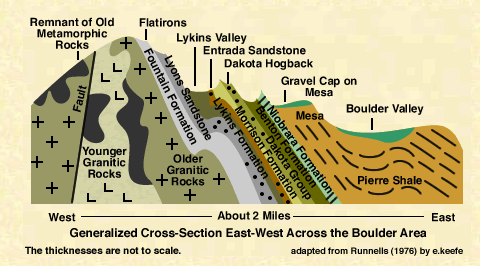
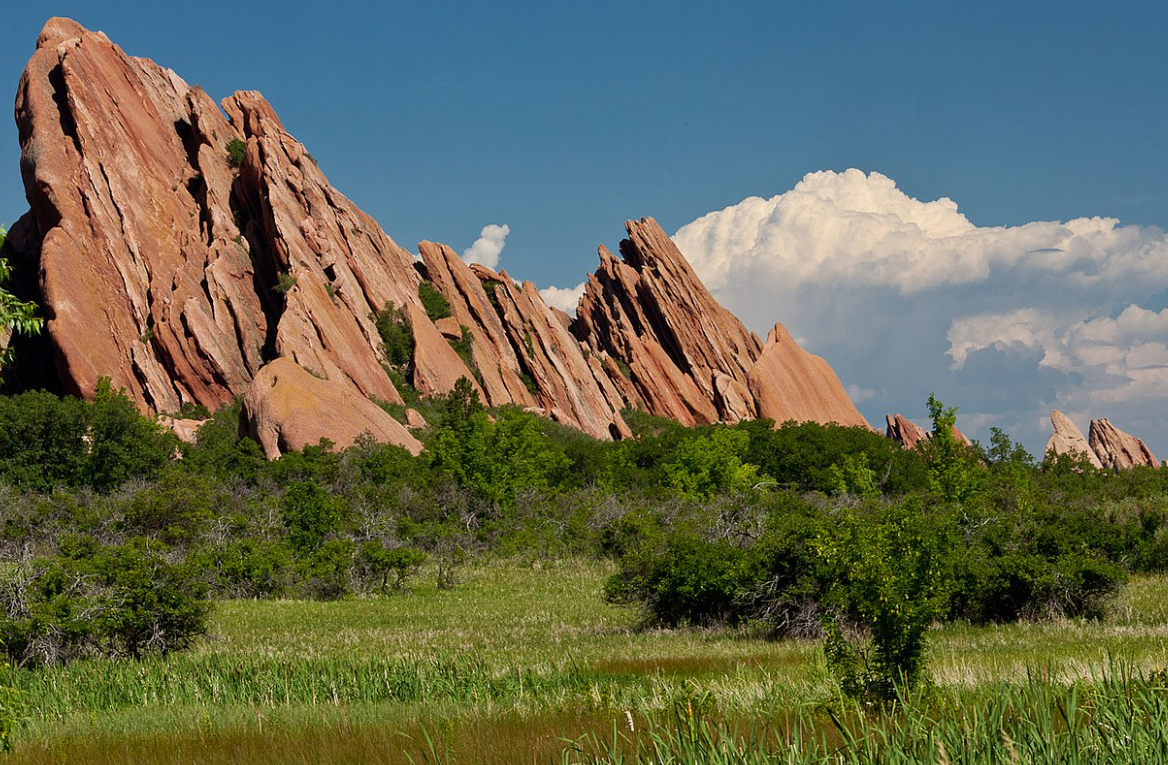
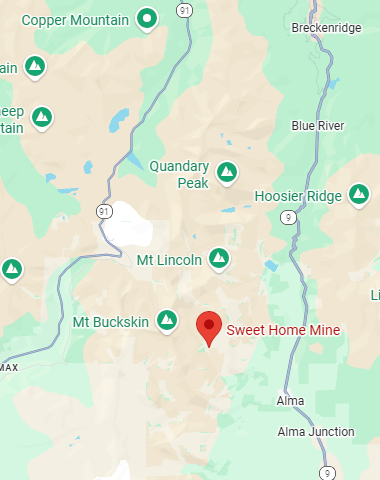
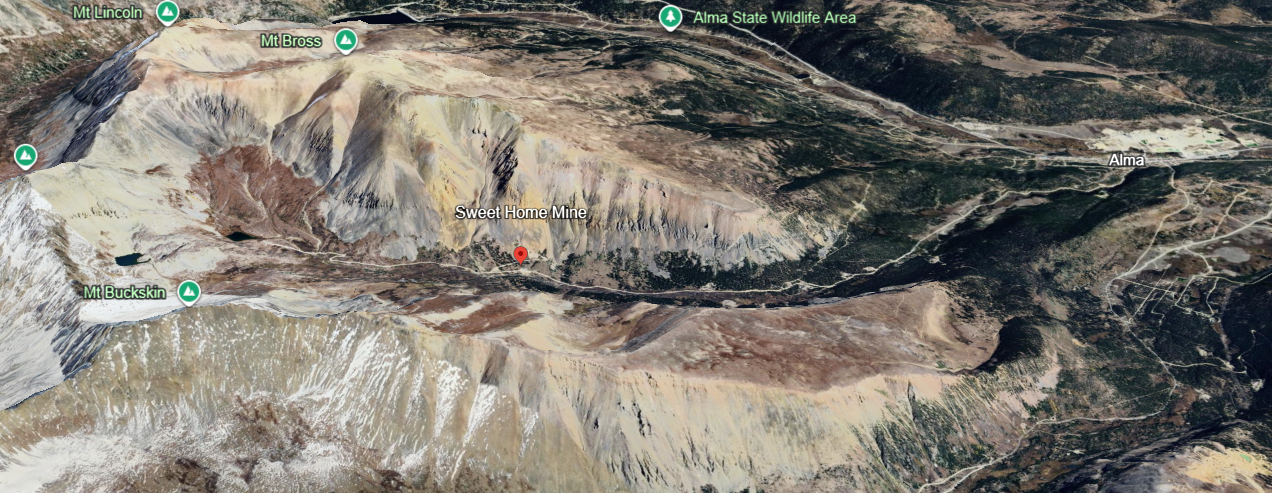
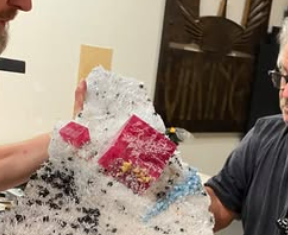
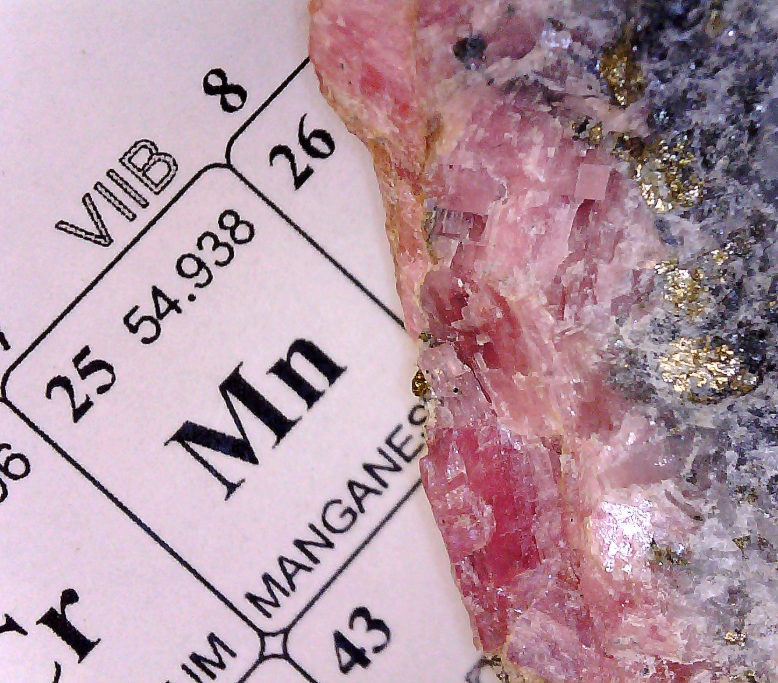
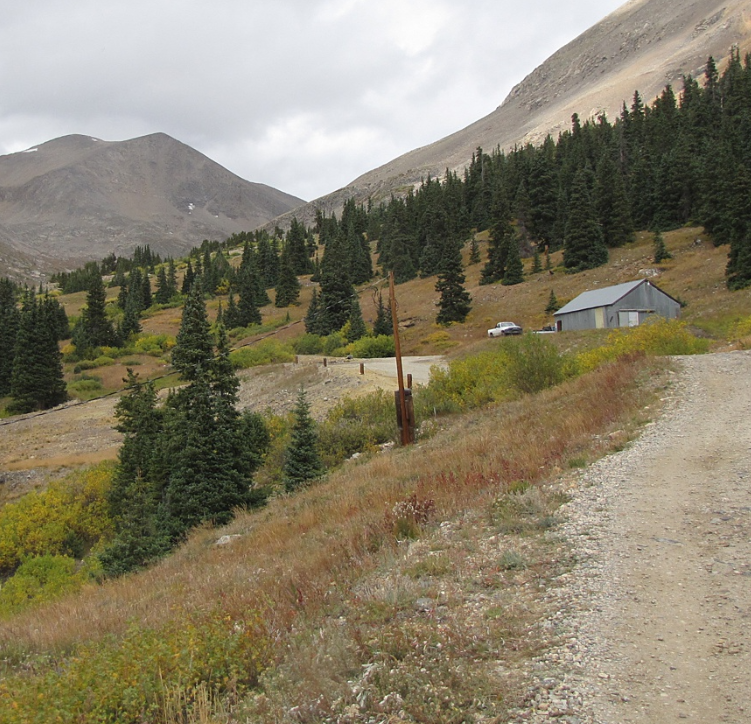
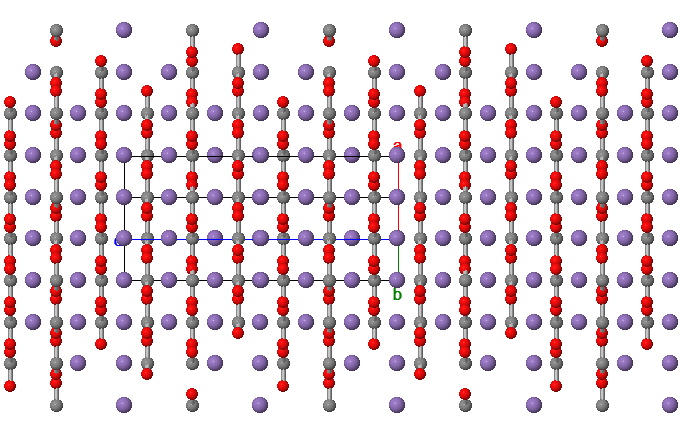
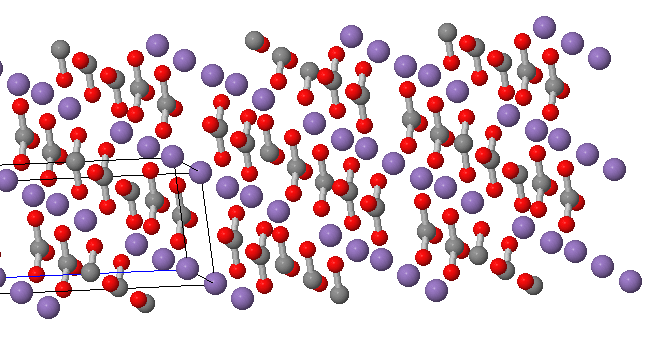
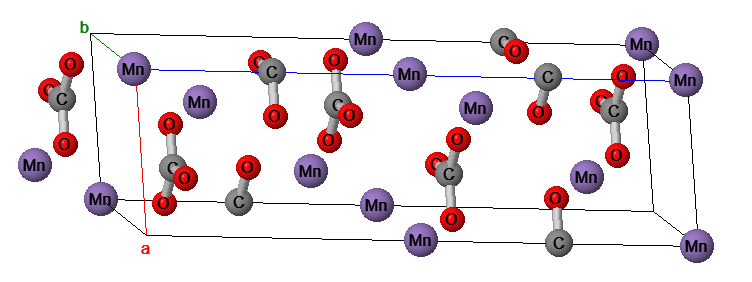
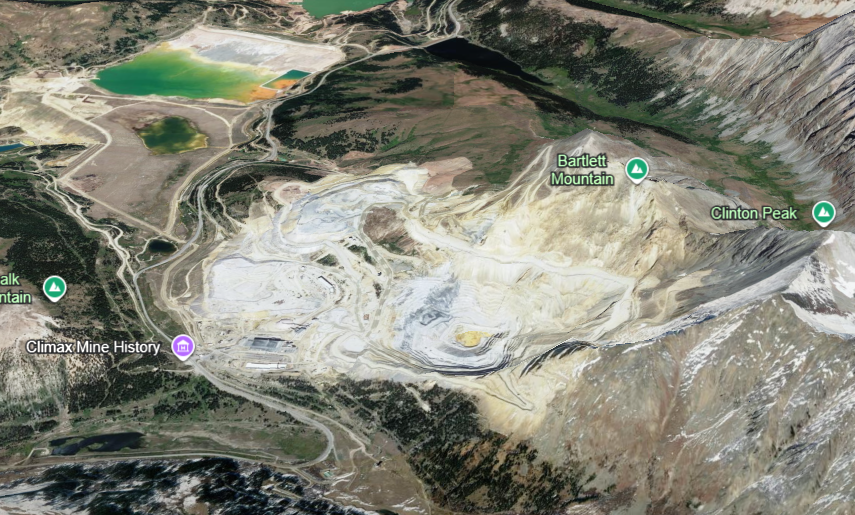
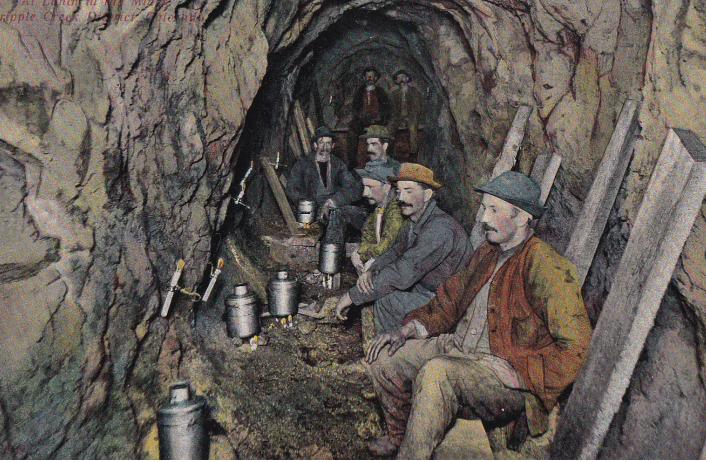
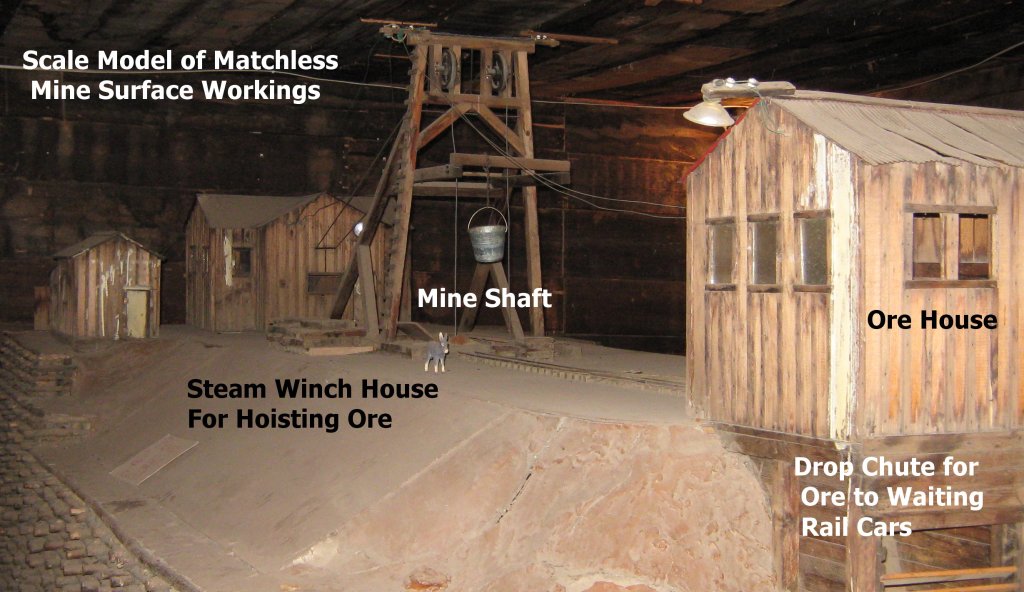
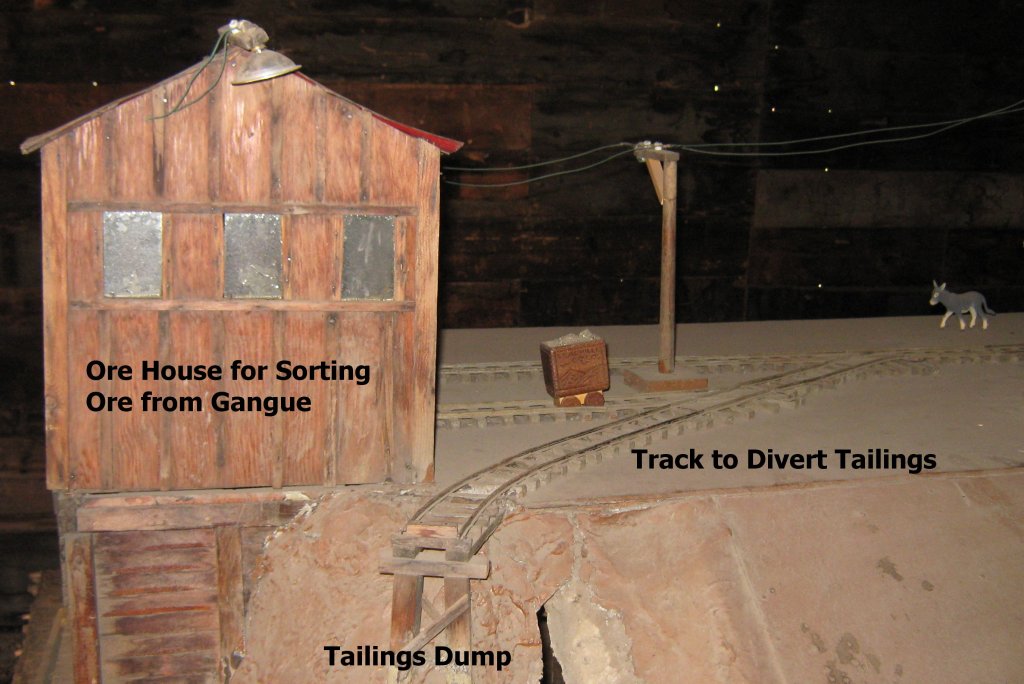
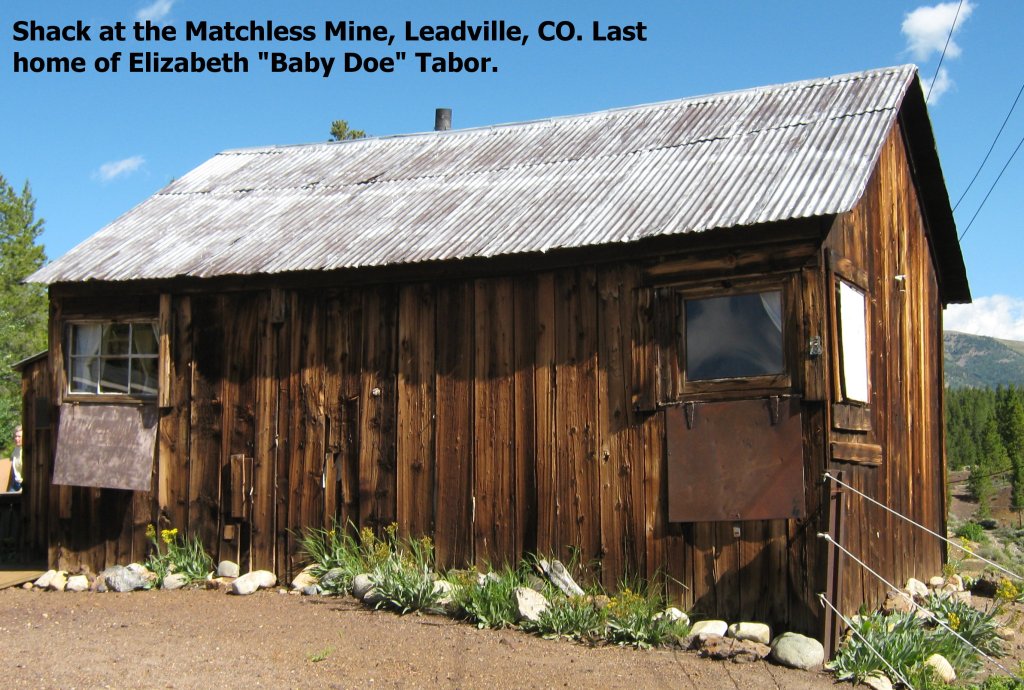
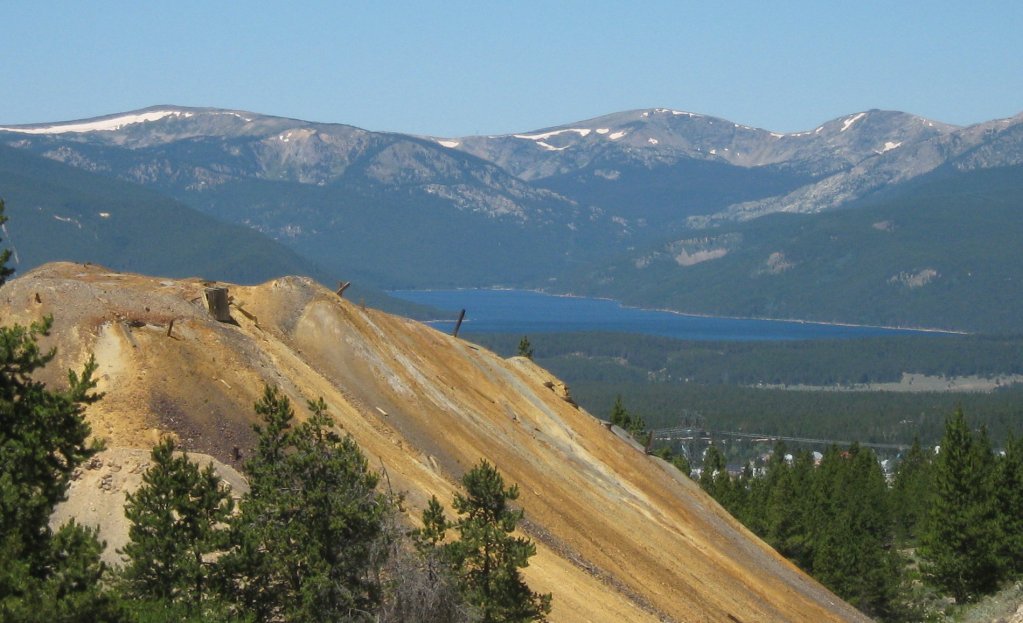
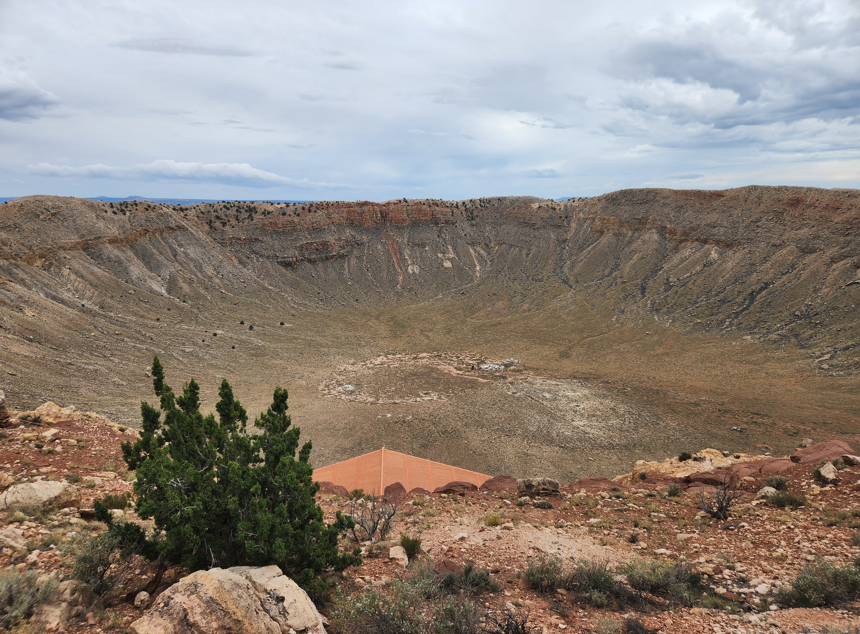
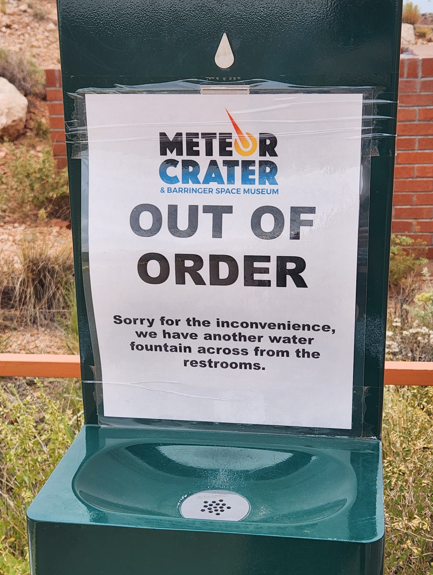
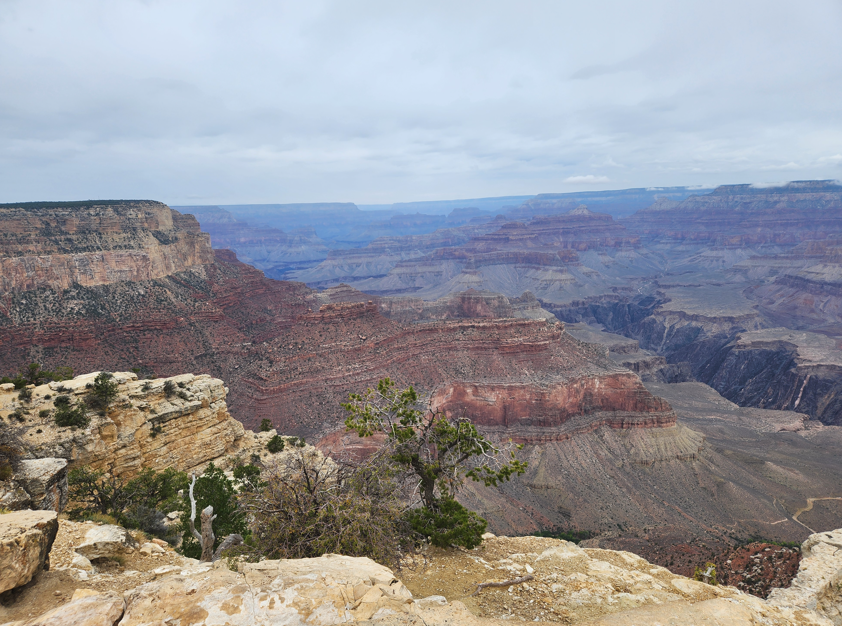
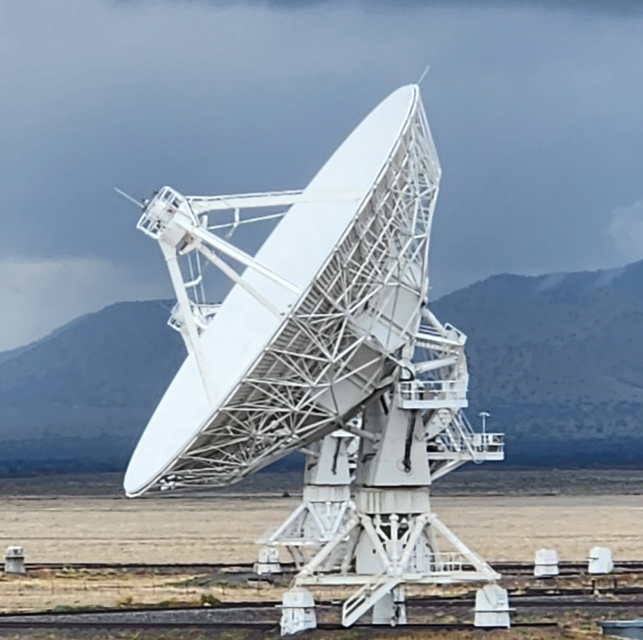
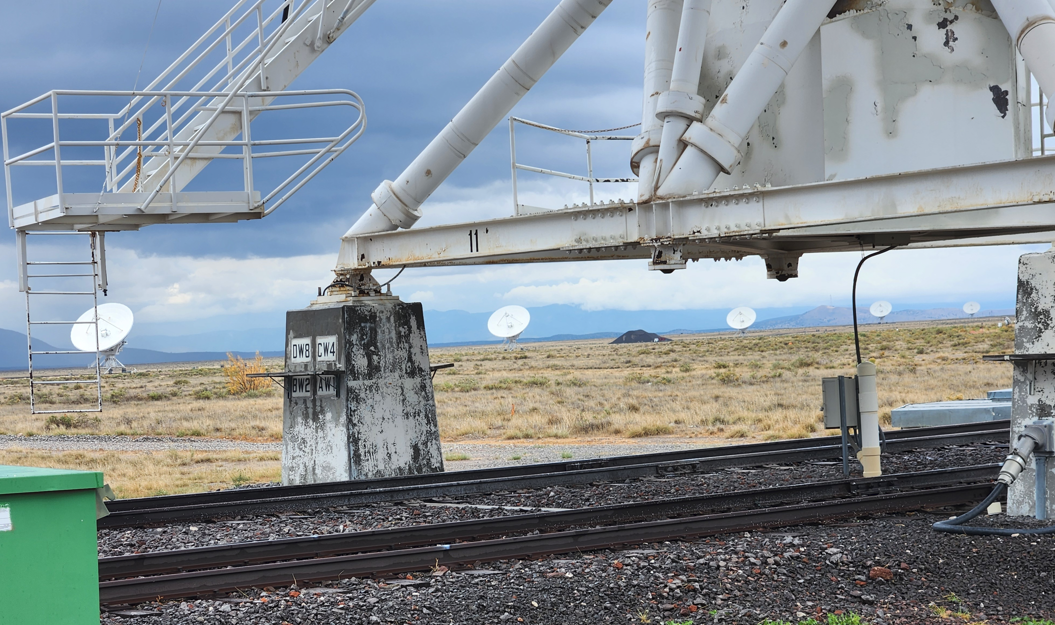
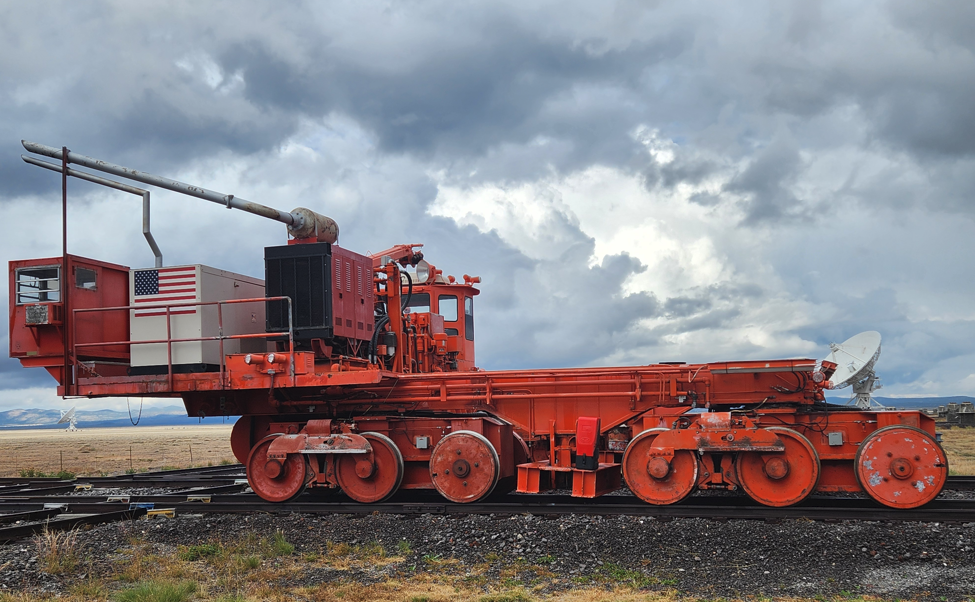
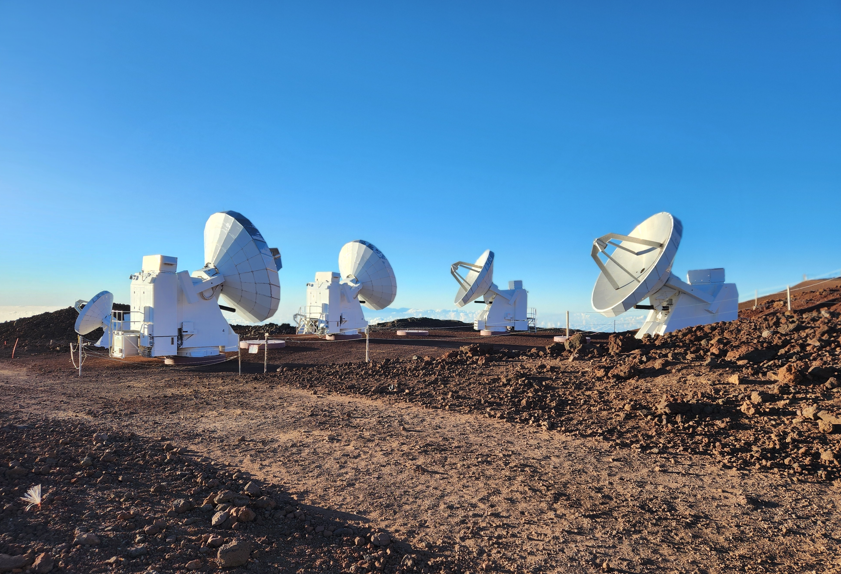
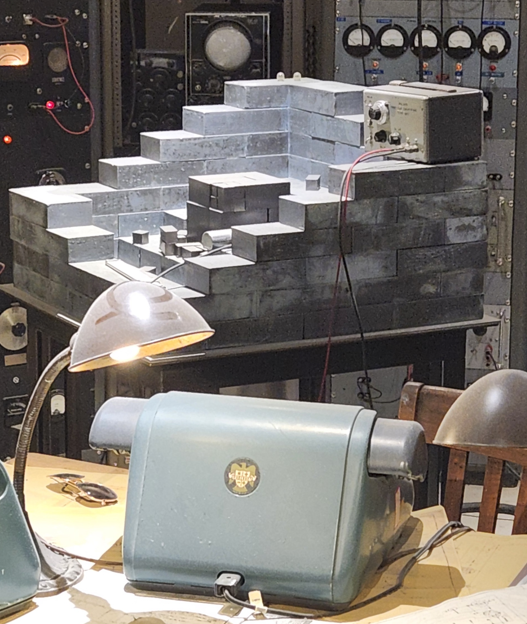
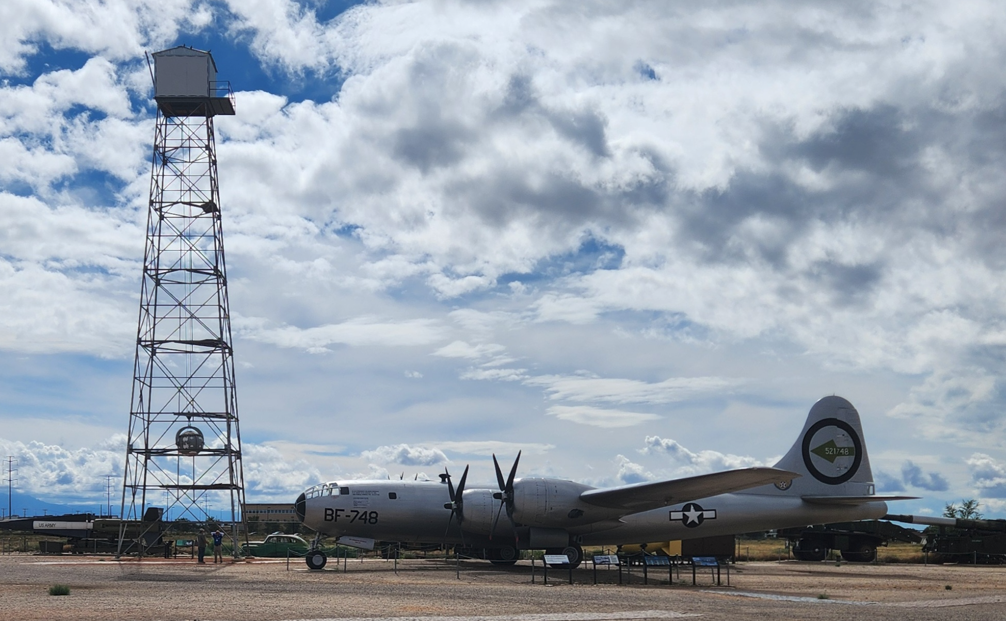
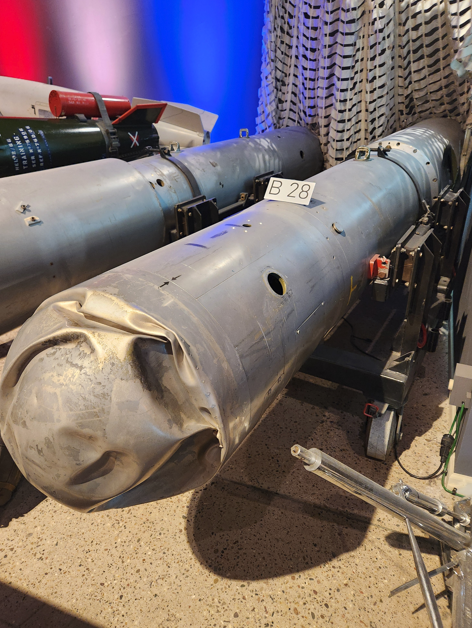

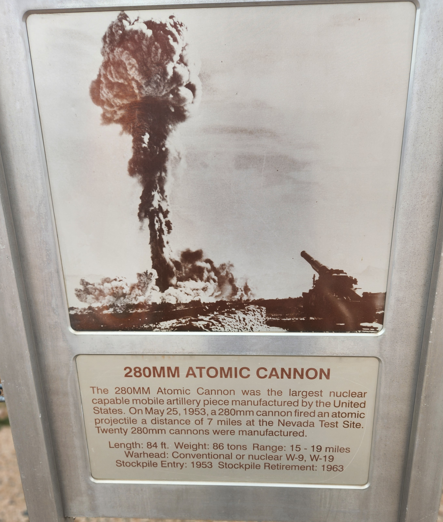
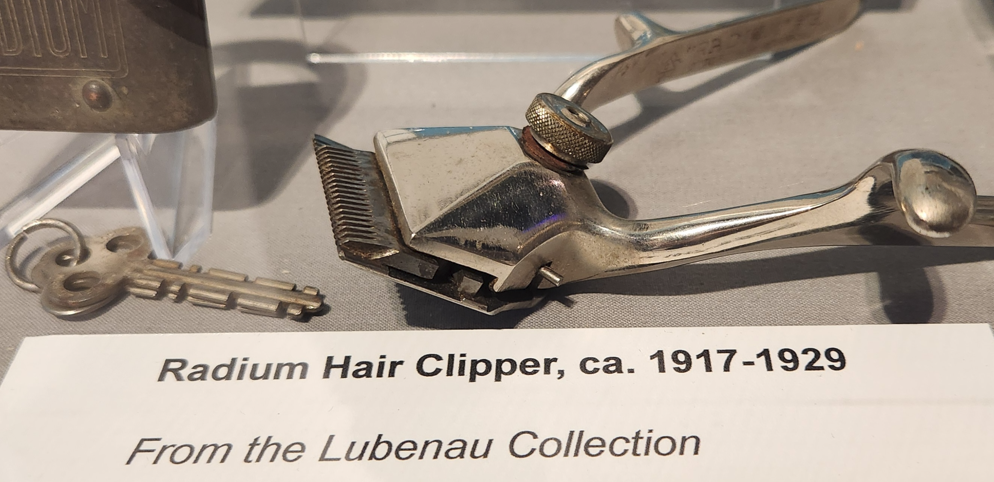

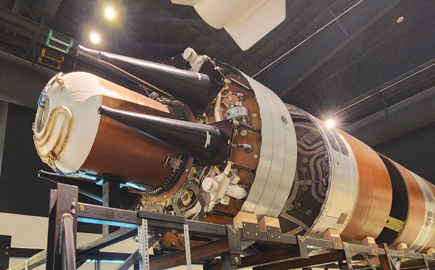
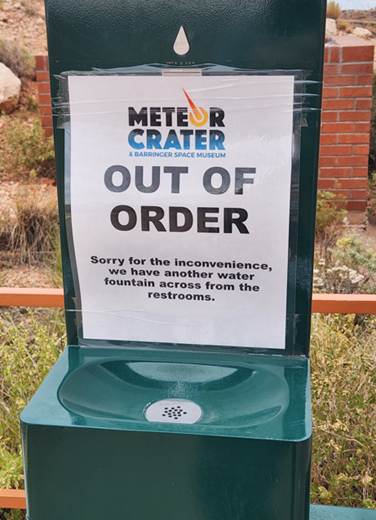
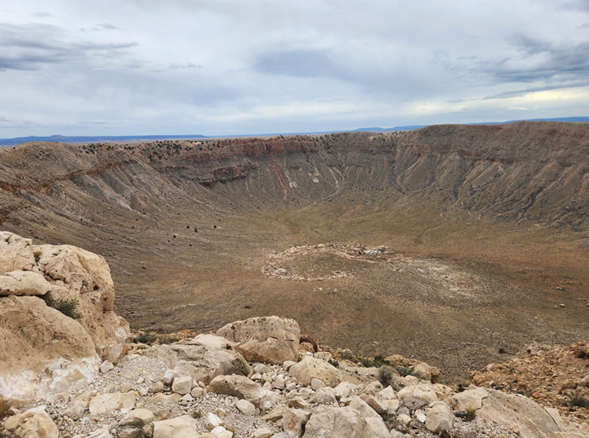
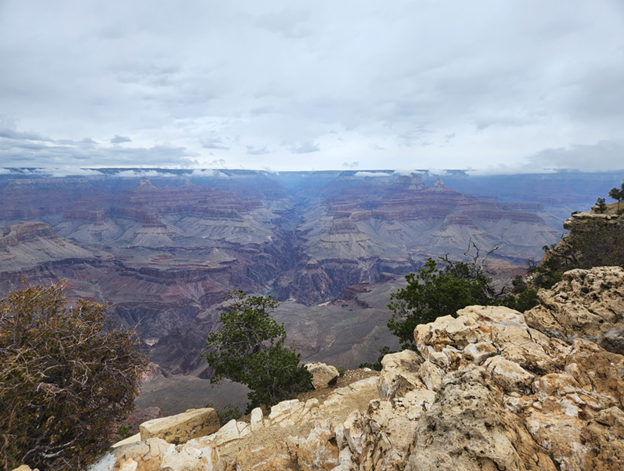
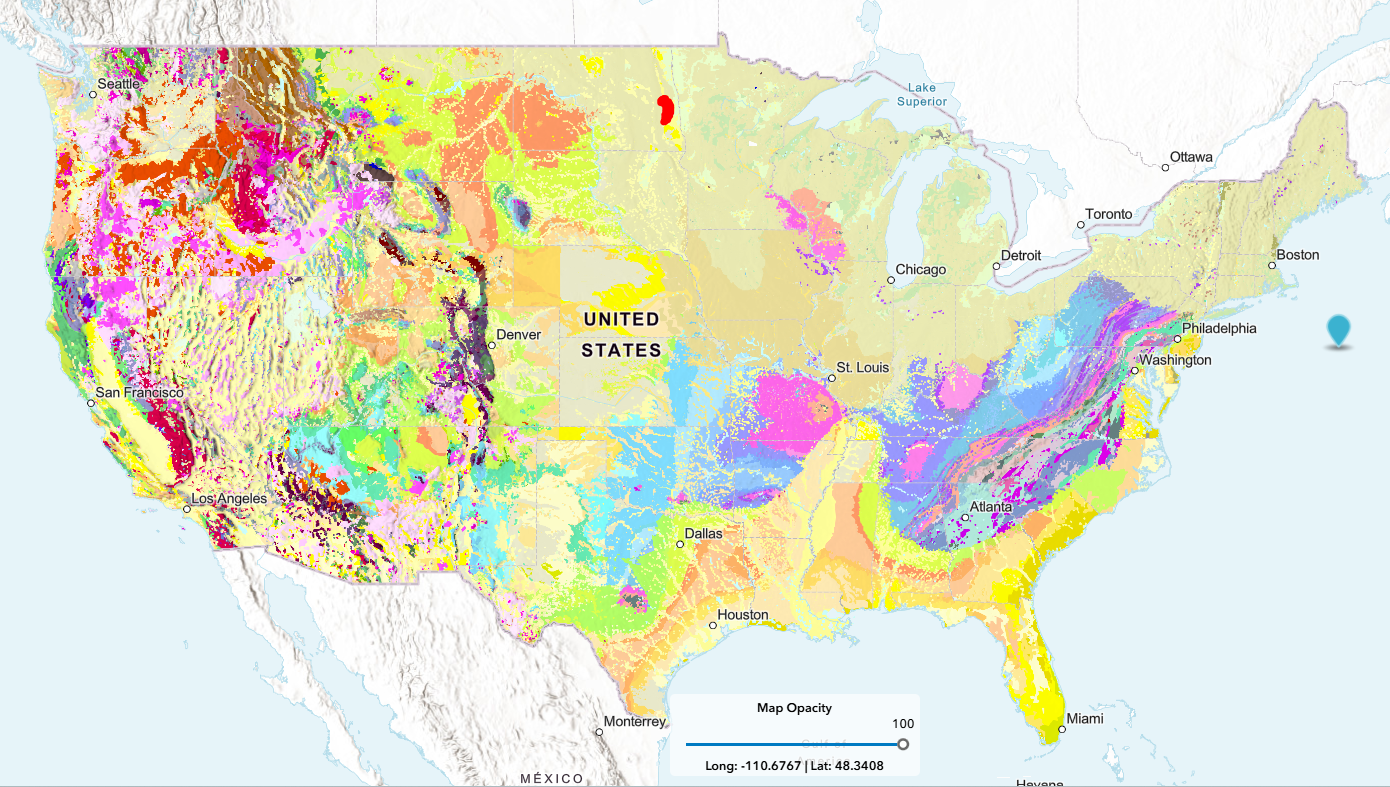
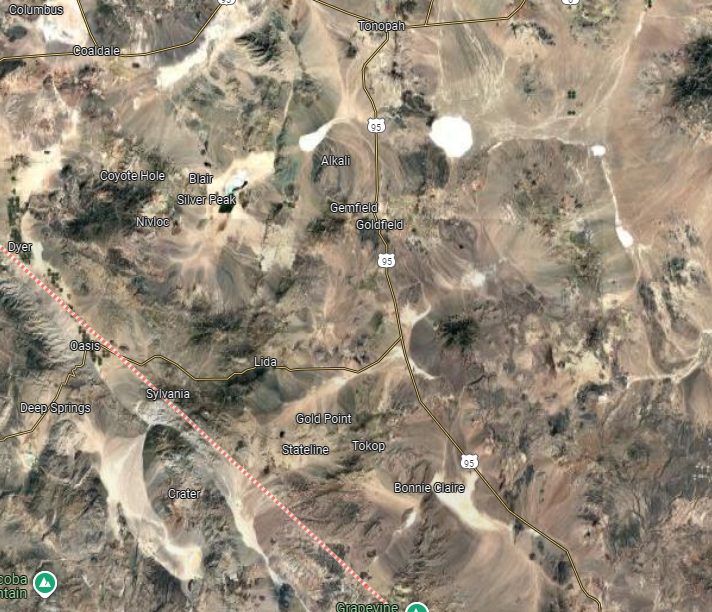
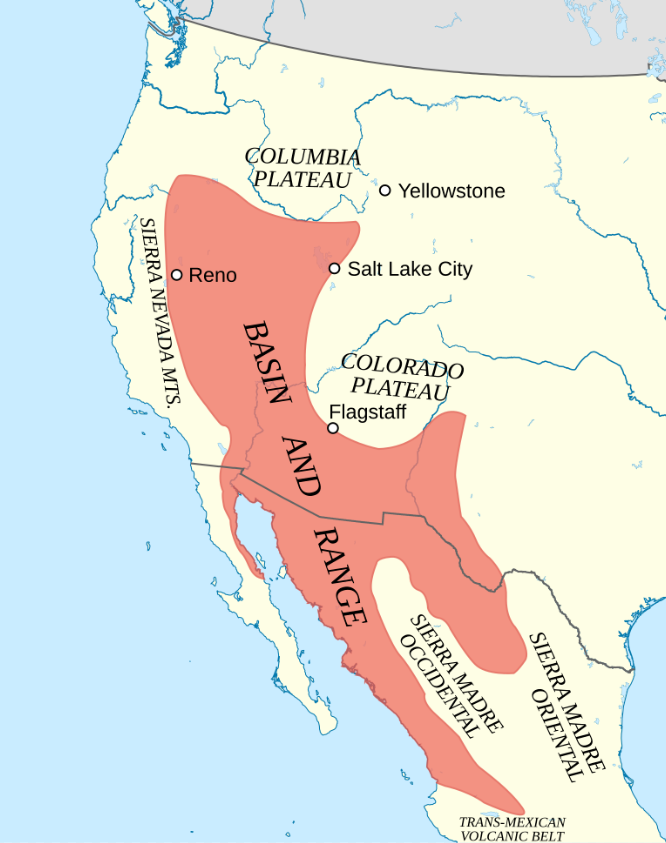

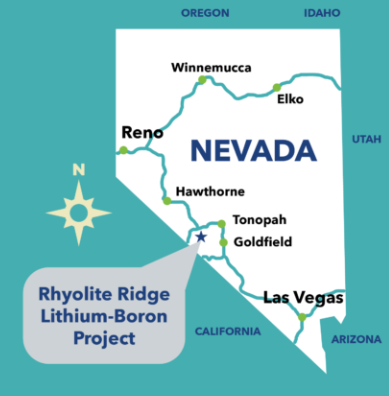
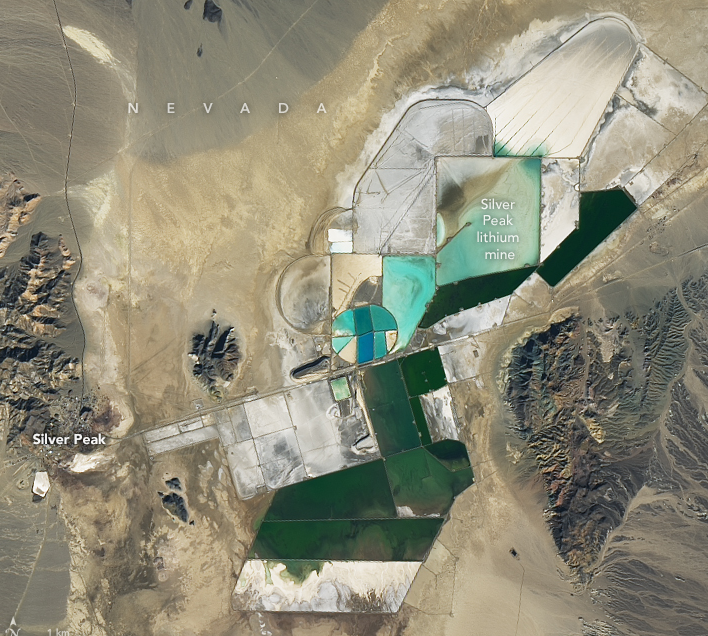
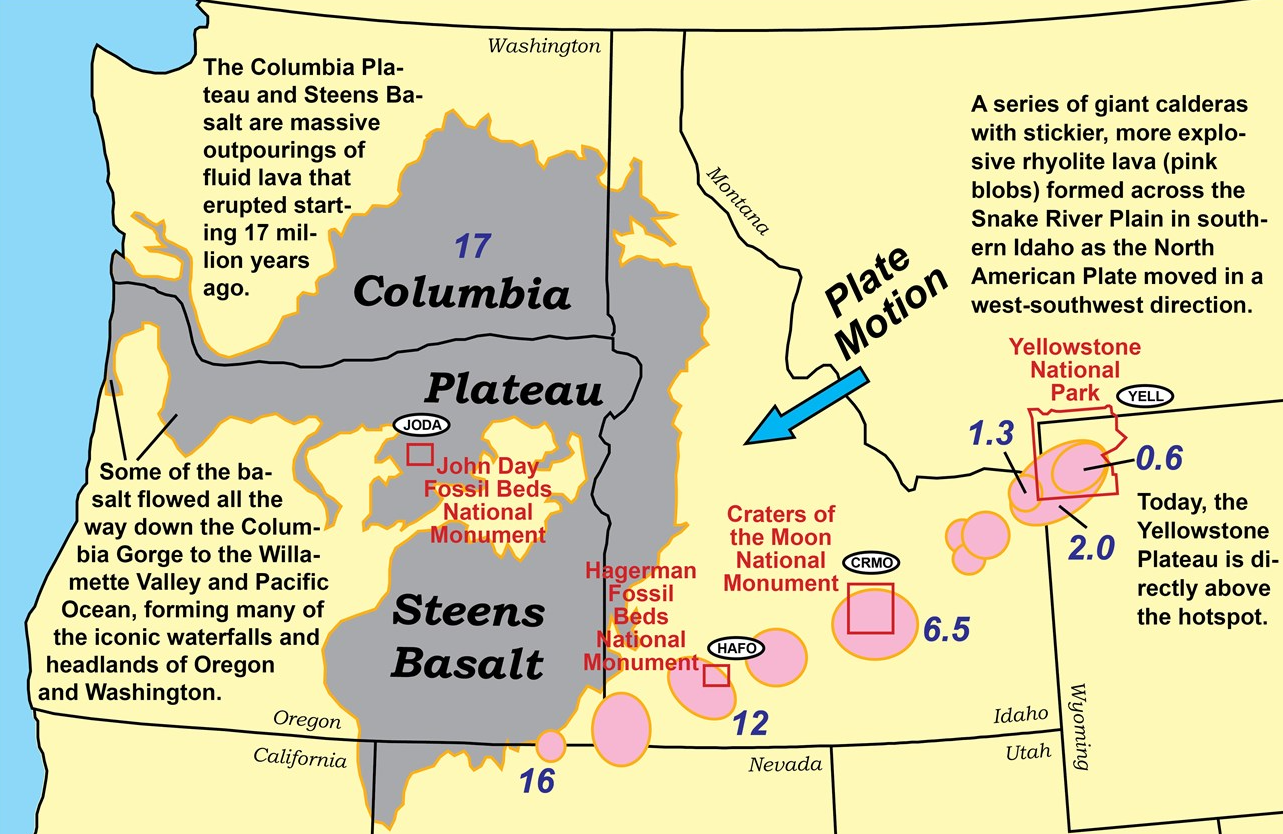
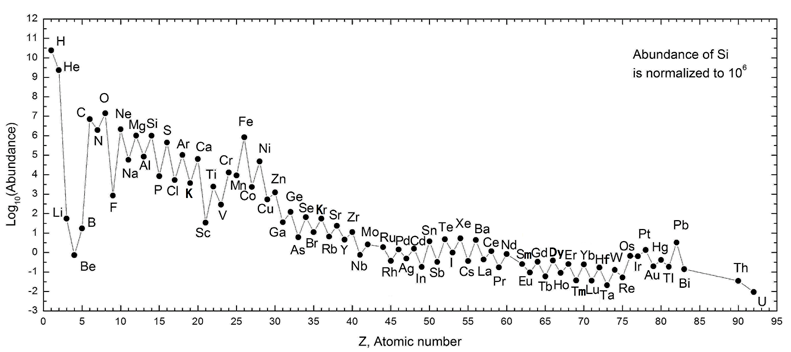
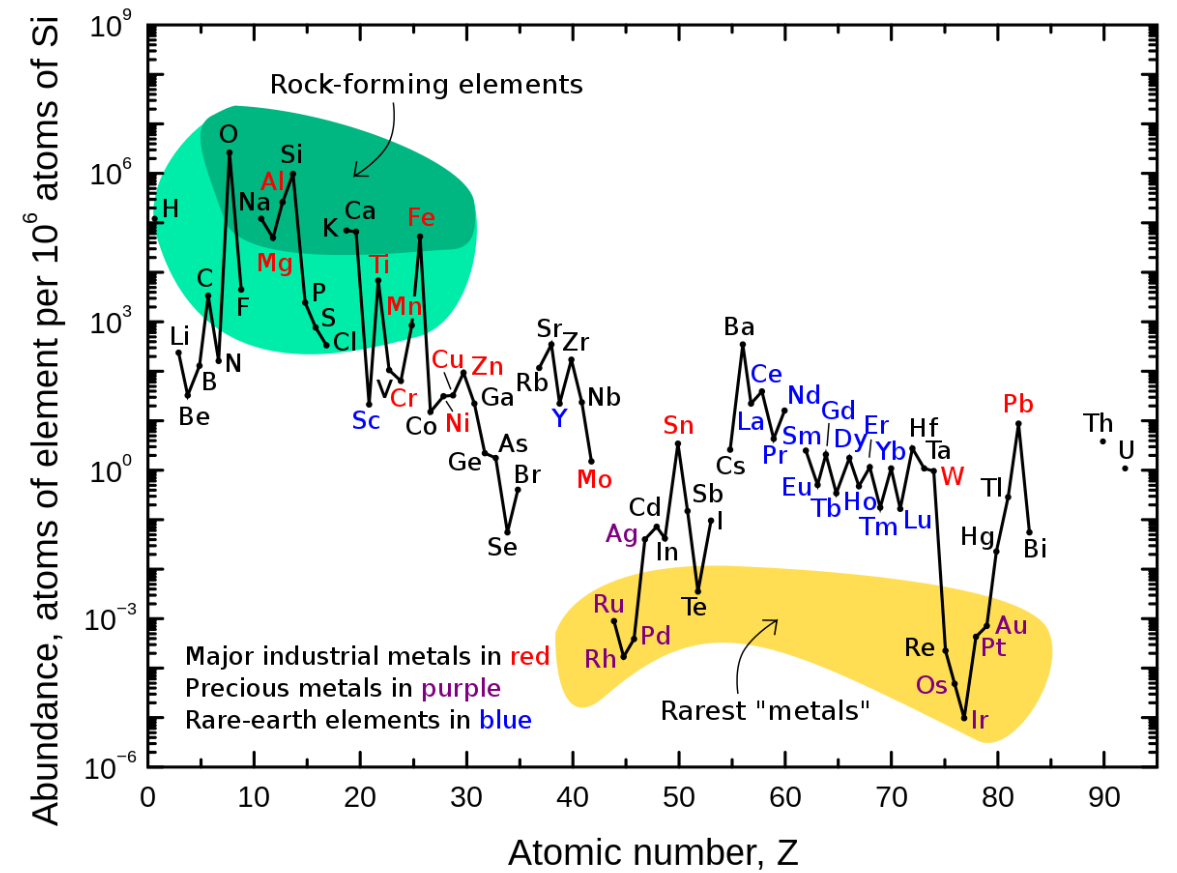
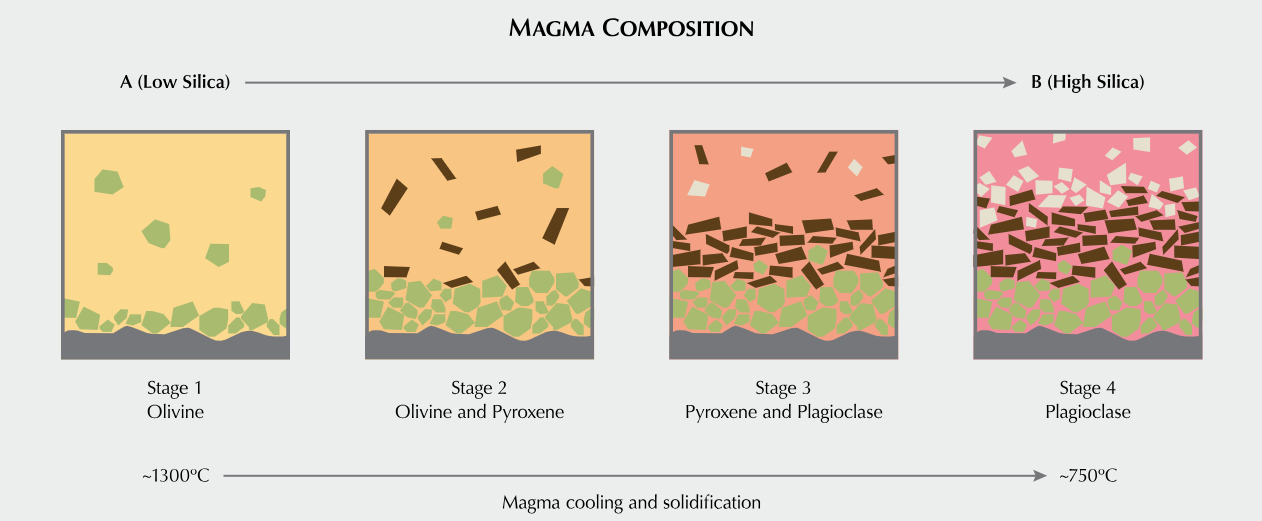
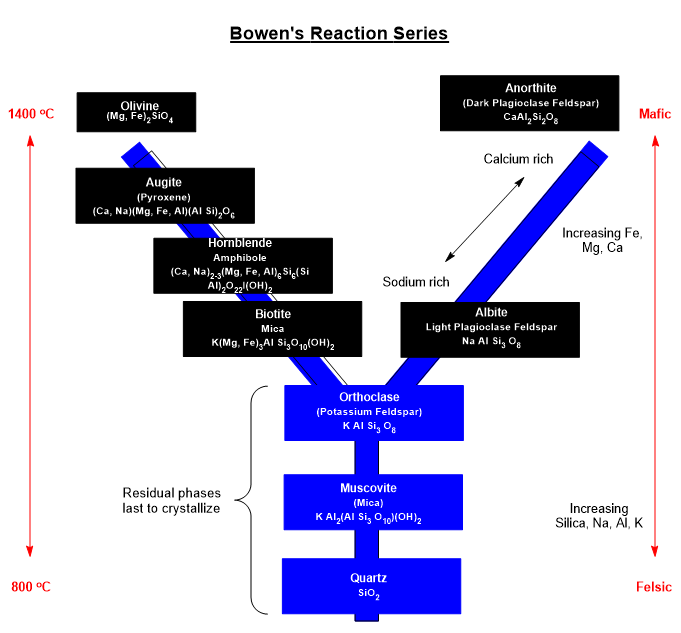
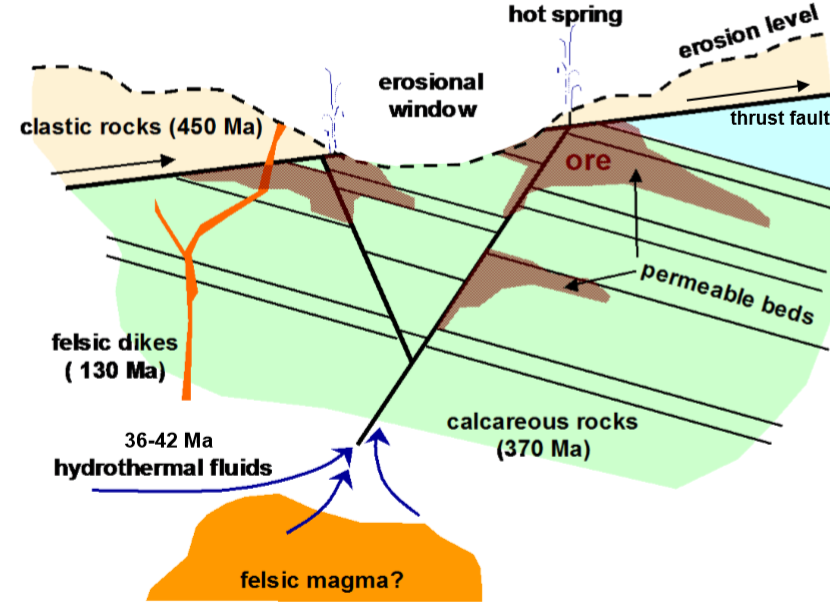

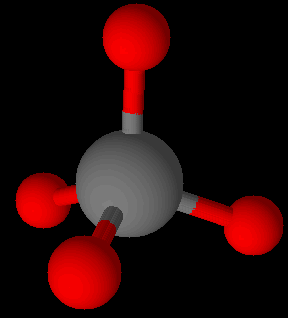
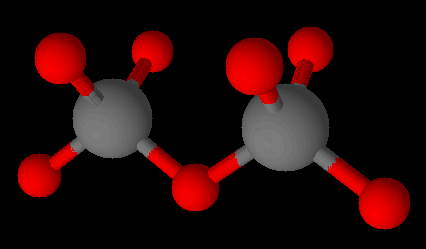
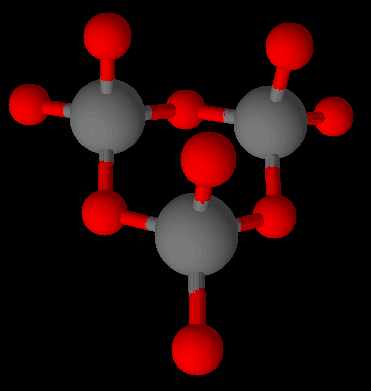
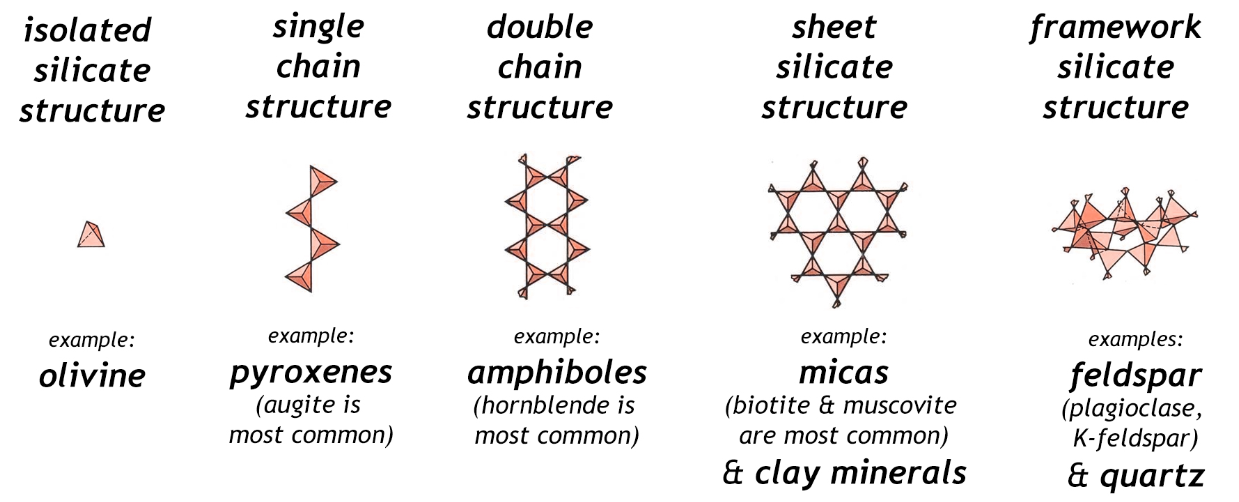
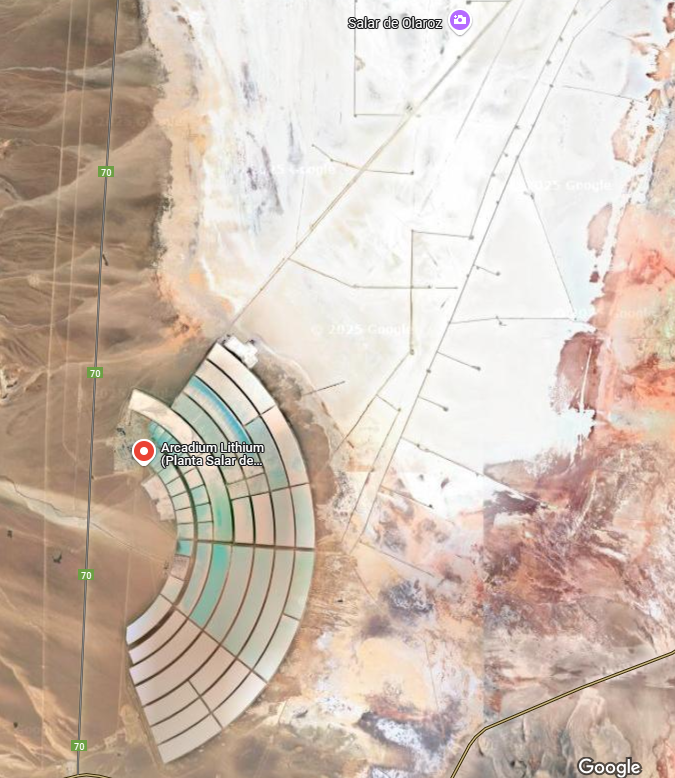
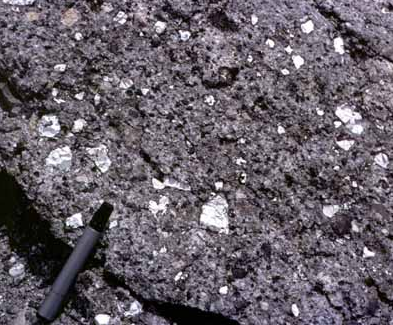
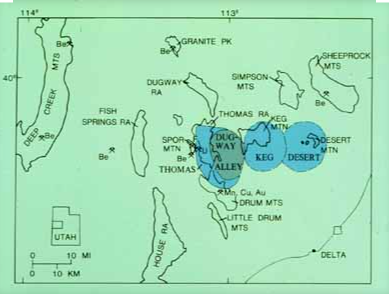
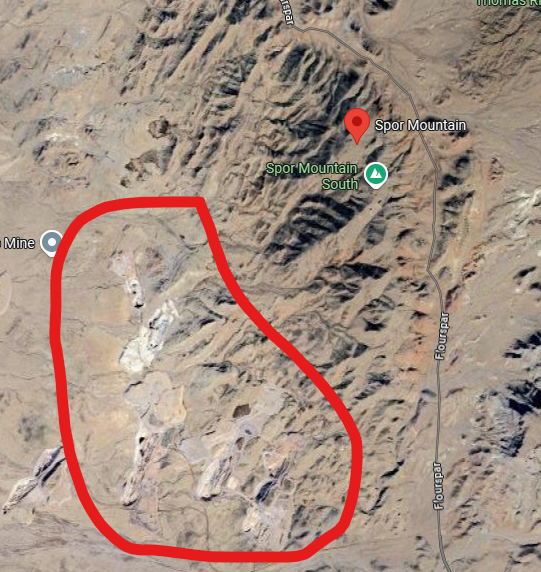
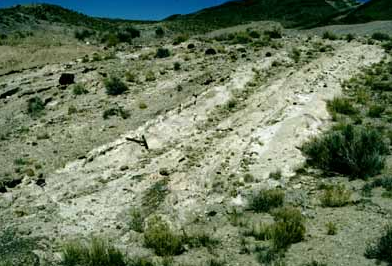
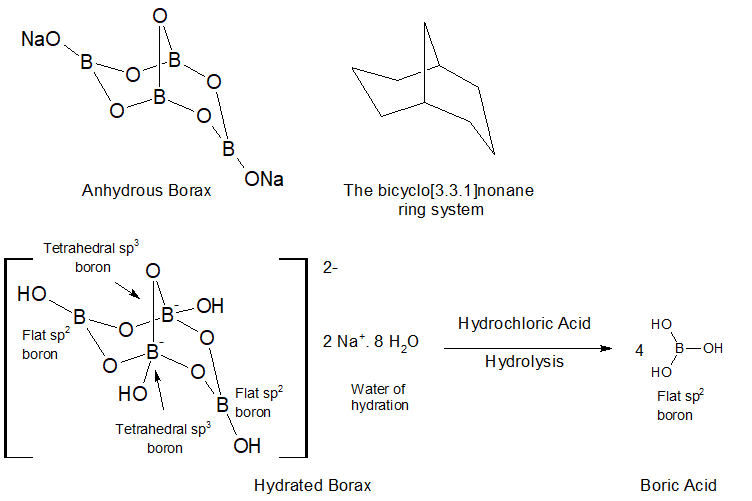
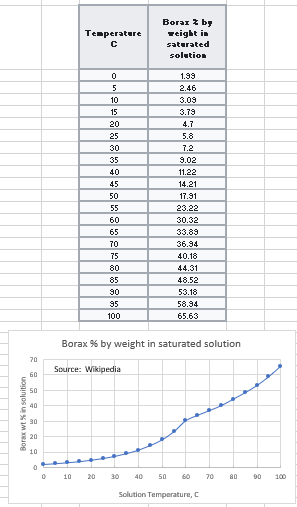
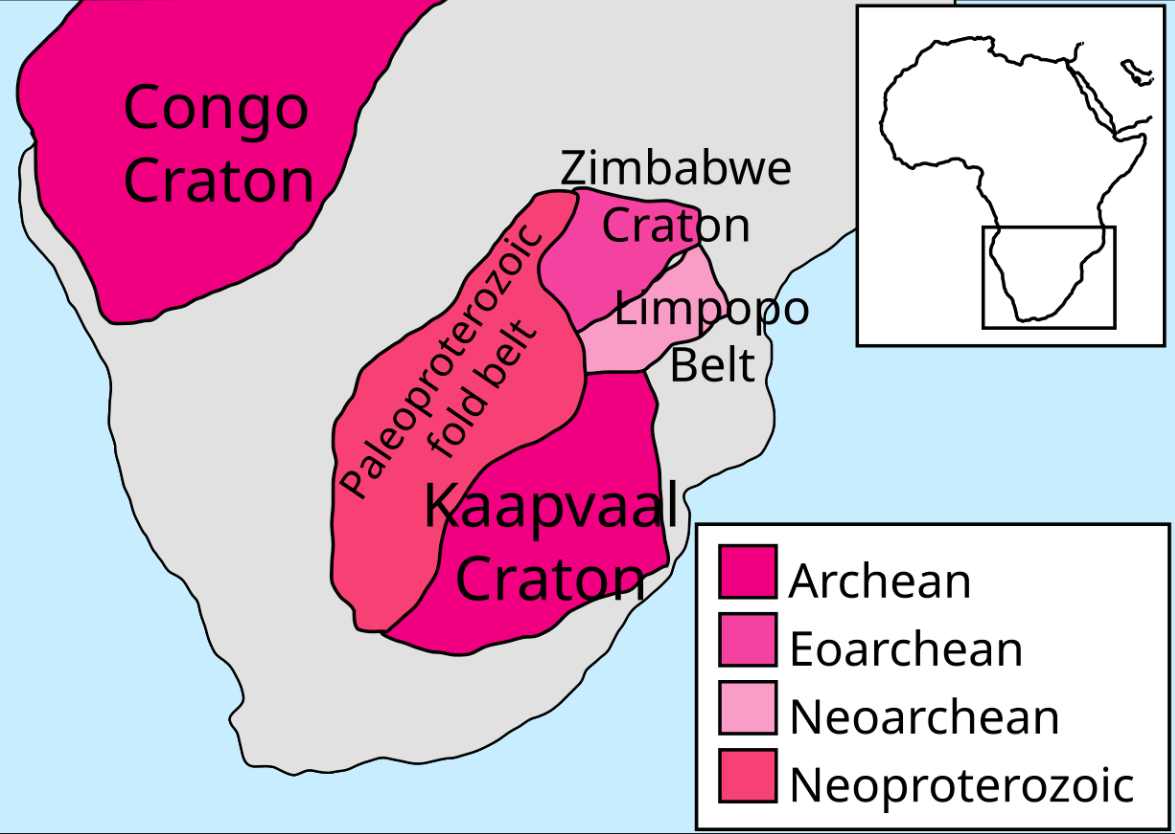
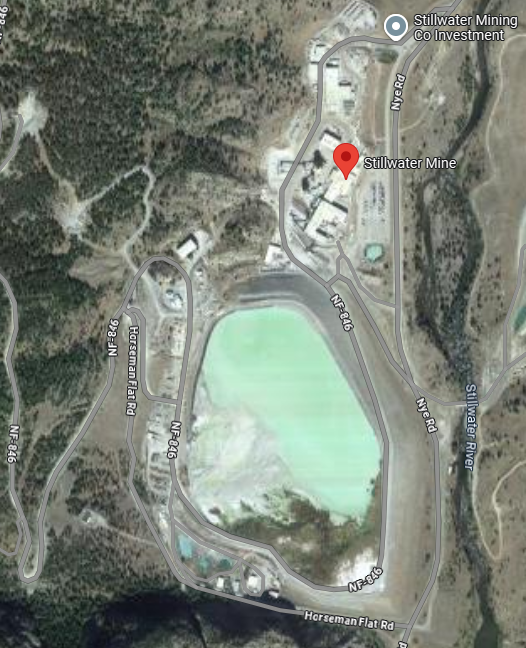
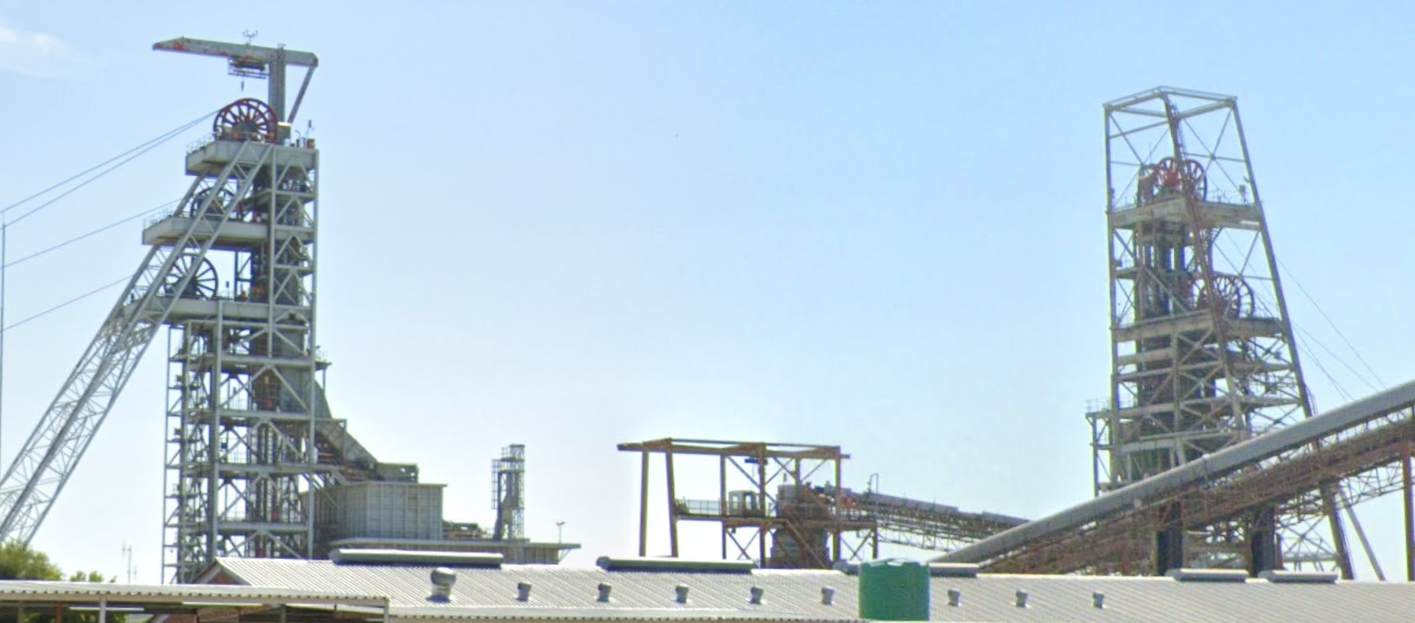
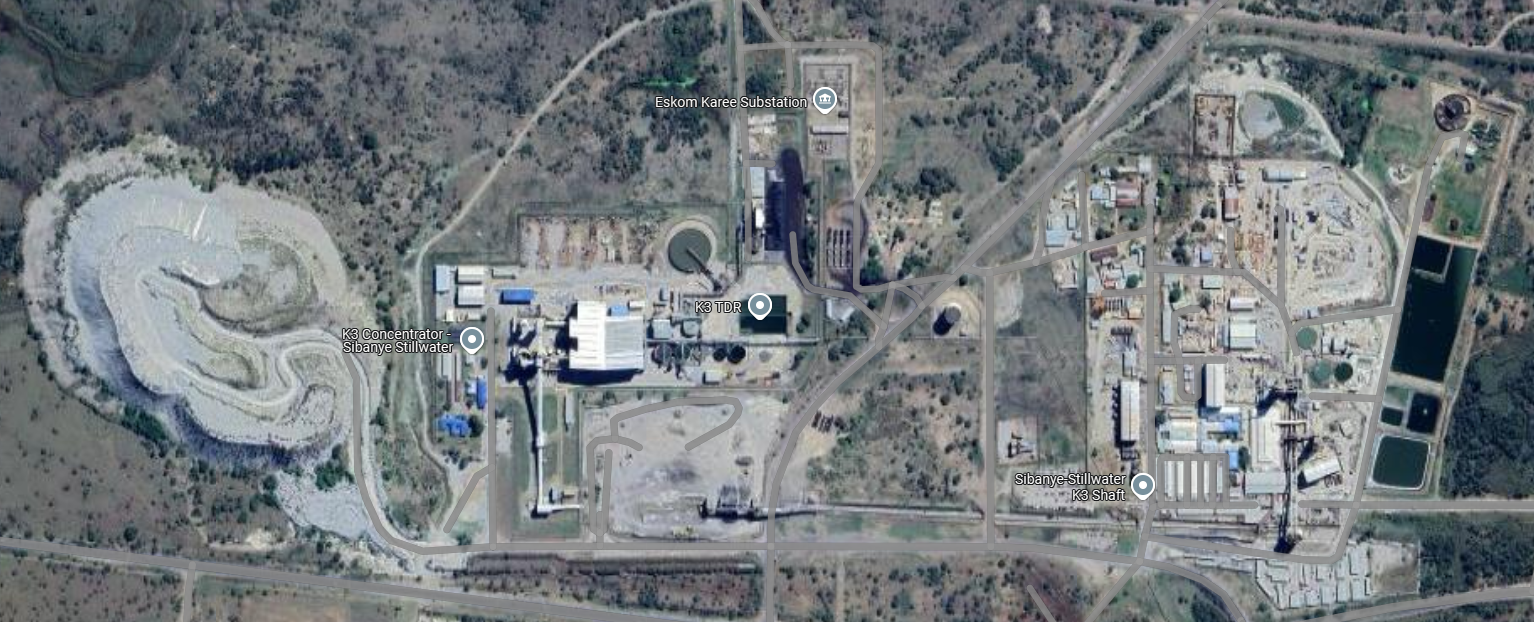
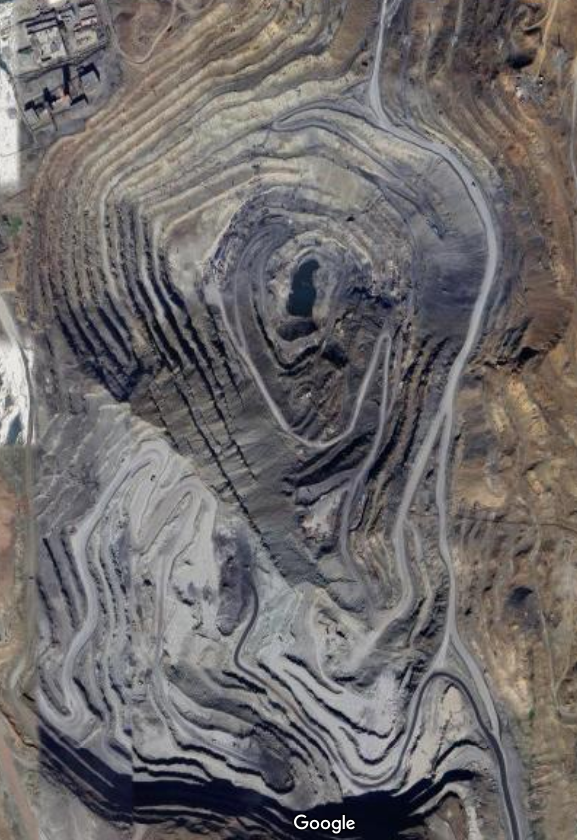
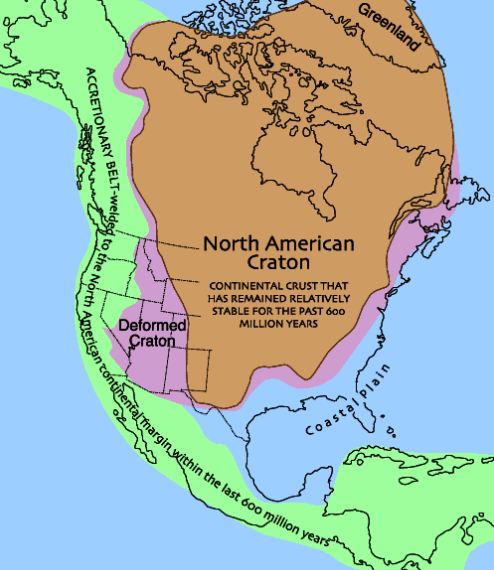
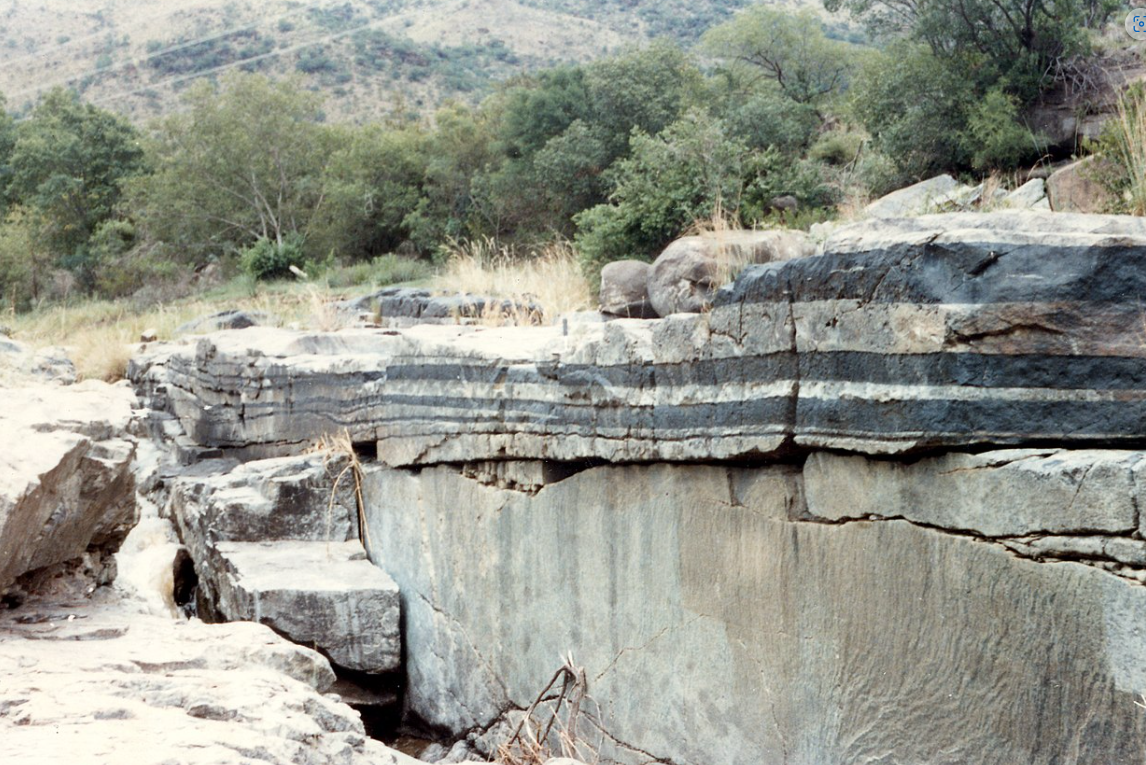
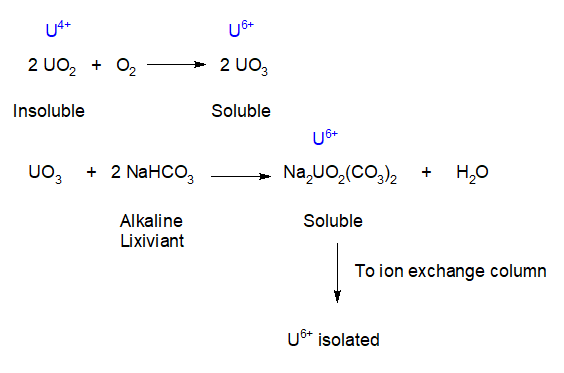
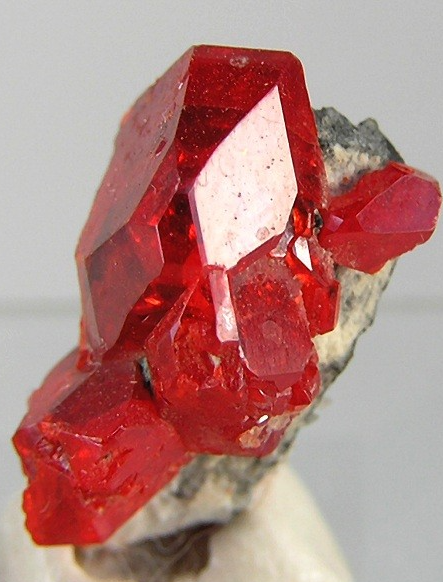
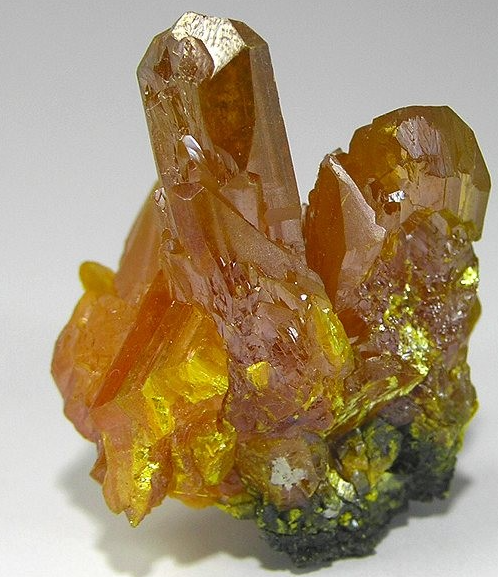
 Lamentations on Chemistry