Poltroon University, Guapo, Arizona. Poltroon University is proud to announce the discovery of a formerly vexing biochemical signal pathway leading to personality excursions in certain individuals. Assistant Professor of Molecular Biology Dr. Frederick “One Eye” McMurray, Ph.D., of the Department of Molecular and Tubular Biology led the research. McMurray has pinpointed the signaling pathway leading to uncontrolled blathering about certain kinds of trivia. Previously thought to be a variety of Tourette’s Syndrome, uncontrolled and prolonged outbursts of sports trivia- baseball and bowling trivia is common in the US and The Bahamas.
Poltroon University Clearly Distinguished Professor of Obscure Natural Product Chemistry, Dr. B.L. Bowelson, has discovered a new variety of psychoactive substances while surveying the jungles of central New Worcestershire, Africa. Interested in studying a frog whose skin is known for treating the dreaded jungle halitosis, Bowelson brought samples back to Poltroon and began to extract skin samples. After years of tedium a significant quantity of the previously unknown substance Frogadiene was obtained.
Isomeric forms of Frogadiene. Source: Poltroon University office of public relations.
The major isomer, trans,trans-Frogadiene, was found to be the most efficacious form in badger halitosis studies. The substance works by inhibiting the stinky and hazardous hydrogen sulfide produced by sulfur reducing bacteria. Another intriguing effect of the Frogadiene in the forest inhabitants is the enhanced ability to participate in convivial discussions. For a day or two, village victims of jungle halitosis were able to sit with family and friends without the foul breath. After imbibing a tea made from frog scraps, for a time the once blabbering halitosis victims were able to converse without the usual stream of useless information.
Noting the increased, though temporary, ability to avoid outbursts of trivia, McMurray set out to understand the molecular pharmacology of Frogadiene. The first target was the membrane enzyme uselase. This protein was already connected with stimulating the trivia peduncle of the human brain. By maceration in pH 6.9438 buffer of 30 freshly deceased brain donors, a small quantity of uselase was isolated.
The uselase isolate was treated with synthetic trans,trans-Frogadiene and crystals were produced of the complex. X-ray crystallography clearly showed the Frogadiene bound to the enzyme. Later it was found to be an activator of the protease enzyme uselase. In the presence of Frogadiene the enzyme is phosphorylated and passes into the intracellular medium. Once inside, the activated enzyme cleaves DNA which eventually leads to the production of the neurotransmitter monotonine. This neurotransmitter suppresses the urge to issue torrents of trivia.
The pharmaceutical company Azidoberg is in negotiations with Poltroon in an effort to buy the patent.
Note: What follows are my observations and information from my oncologists and what is scraped off the interwebs. I try to seek information from either primary research literature, medical textbooks or from credible secondary sources. For treatment, I stick to a university medical institution and medical school faculty managing my treatment. I tend not to believe in dietary or nutraceutical approaches. It has been my observation that the origins of cancer are biochemically different from curative or preventative biochemistry. In other words, preventative measures by diet or supplements are mechanistically distinct from the treatment of cancer cells. Divine intervention is not testable, driven by faithful wishing and is supported only by anecdote. I believe that if something truly happens in the universe, it will have an observable mechanism and therefore be measurable.
Oh yes, if you’re squeamish with talking about your prostate because it’s part of your reproductive apparatus, get over it. Part of successfully living with cancer is being able to talk about and learning from it. I’d rather die at least knowing about it.
Because of modern medicine, my experience with both throat and prostate cancer has not been a rocket sled ride to the hereafter. It’s been said that some cancers can be thought of as a treatable, chronic condition and for me that has been true thus far. As luck would have it, my throat cancer was viral in origin and consequently highly treatable by IMRT irradiation and cisplatin. Since 2013 I have had yearly checkups that have all indicated no visible return of the cancer. Since I go to a university medical center, I have had medical students and various head and neck residents also peering down my throat from a camera threaded through my nose picturing my gullet in all of its pink glistening majesty.
The prostate story is a bit different. Before diagnosis the cells had already left the prostate (stage 4) and were judged to be Gleason 9 by histopathology. This was unfortunate. Outside of the prostate capsule they began to wander around through the lymphatic system, lodging in the lymph nodes. Since there was no unified target for surgery or concentrated radiation, The cutters were not called in. Elvis had left the building. After IMRT radiation of the prostate, seminal vesicles and suspected nearby lymph nodes along with 2 years of hormone ablation, my PSA returned to 0.01 ng/mL. Things had taken a turn for the better.
But, the other shoe had to drop eventually. After 9 years, my stage 4 prostate cancer has begun to ramp up steeply. The PSA curve over time (below) is looking more and more like a hockey stick. The borderline PSA value for treatment is 4.00 ng/mL. When it pops up over that value the oncologists begin to take notice. Whether this is based on some statistical mortality data or because of what insurance companies will likely cover is unclear to me. Importantly, PSA may also indicate non-cancerous conditions like prostatitis and benign prostatic hyperplasia. PSA is only an indicator and alone is not definitive. Biopsy is needed to verify and grade the tissue. Of this whole adventure, the biopsy was the worst of it for me. During the procedure, the urologist asked questions about my hobbies -his was carpentry- but I was too distracted to talk about airplanes.
Stage 4 is indicated by histology and backed up by the PET scan revealing radioactive (avid) spots outside of the prostate. Thankfully, this time around nothing was found in the head & neck, chest, prostate or bones. That was good news.
However, the PET/CT scan did show the presence of 5 or so avid lymph glands along the aorta from below the chest to above the prostate.
A proper prostate cancer diagnosis requires more than just a PSA value. An abnormal prostate is detected by digital examination by a urologist and the presence of cancer cells is confirmed by biopsy by a histologist.
My PSA curve.
But, wait a minute. Exactly what is PSA and what does it do? According to Wikipedia, Prostate Specific Antigen (PSA) is a peptidase enzyme (a protein) secreted by the epithelial cells of the prostate gland. It’s immediate job is to liquify the semen in the seminal coagulum, allowing sperm to swim freely. It is also thought to be involved in dissolving cervical mucus, allowing sperm to enter the uterus. Amounts of PSA above a certain threshold are not normally found in the blood. Elevated PSA is associated with prostate cancer. It’s just a marker.
The glycoprotein PSA, prostate specific antigen. It is an enzyme of the serine protease variety. A protease will cleave peptide bonds in the amino acid backbone of a protein.
Serine protease enzymes like PSA have a serine amino acid in the active site of the enzyme which is capable of connecting temporarily with a carbonyl carbon of a (C=O) peptide bond. Since proteins are long chains of peptide bonds, cleaving a peptide bond snips the protein into smaller pieces.
Chemists are all about the mechanisms of chemical transformations and the following has been proposed for a serine protease.
All this said, it turns out that when castration resistance sets in, things begin take a turn for the worse. Prostate cancer cells begin to accumulate in the bone marrow, they begin to interact and develop into tumors that are essentially beyond the reach of treatment. The spine is a common place for them to go, but they can spread to other organs as well.
Of particular interest is the spread of prostate cancer to bone. Prostate cancer cells have an affinity for bone marrow tissue. In my case, the PET/CT scans gave no indication of being present in the head & neck, the chest or bones. That’s good news. In my first round of treatment, I was given 18F-Glucose diagnostic for the PET scan. This time I was given the more receptor-selective 18F PSMA diagnostic called Pylarify. While it is selective for a particular receptor on the cancer cell, it also shows up elsewhere in the body in the PET scan as a result of circulation and transport out of the system. Receptor-specific drugs will bind to the intended receptor, but only after they wander around and stumble into it. This is made less than random due to active transport or solubility partitioning. The effectiveness also benefits by resistance to metabolism and excretion.
Pylarify is a kind of pseudo-peptide containing two modified amino acids, lysine and glutamic acid, joined at the nitrogen atoms as a urea linkage. The key step is the nucleophilic aromatic substitution of trimethylammonium by 18F on the pyridine ring. The presence of abundant heteroatoms (nitrogen and oxygen) groups is not uncommon for pharmaceuticals and is absolutely ordinary for proteins. Heteroatoms serve as hydrogen bond donors and acceptors which is critical in biochemical transformations. A hydrogen bond donor can reversibly bind to a hydrogen bond acceptor and keep the molecules in close proximity long enough for a transformation as well as participate in it.
Sarah Piron, Jeroen Verhoeven, Christian Vanhove, Filip De Vos, Recent advancements in 18F-labeled PSMA targeting PET radiopharmaceuticals, Nuclear Medicine and Biology, Volumes 106–107, 2022, Pages 29-51, ISSN 0969-8051, https://doi.org/10.1016/j.nucmedbio.2021.12.005.
Abstract: I’m going to make a pitch for incinerating plastic. Yes, it will indeed produce CO2. But as we go merrily down the reduced carbon footprint path, I think it is reasonable to exempt certain activities from stringent reduction. One of them is incineration of waste. It can be done efficiently while generating electrical power and can be put to use in getting rid of BTU-laden waste combustibles like plastic.
Synthetic polymers, i.e. plastics, long ago rose to a high level of production due to demand. In particular, plastics like polyethylene (PE), polypropylene (PP), polystyrene (PS), polyethylene terephthalate (PET), polyvinyl chloride (PVC), polyvinyl acetate (PVA), polyurethanes, polymethylmethacrylate (PMMA), various polyamides and adhesives are produced at incomprehensible scale. Within several of these major polymer varieties are their copolymers. LDPE is a good example. Low density polyethylene is a copolymer of ethylene and alpha-olefins like 1-butene, 1-hexene, and 1-octene. Placing the olefin group (C=C) exclusively at the 1-position requires some large-scale wizardry as internal olefins are thermodynamically more stable. Generally, commodity scale alpha-olefins have the terminal olefin put in place as they are made, not afterwards. These comonomers interfere with crystal formation within the bulk polymer. This has a large effect on many things including melt temperature, melt strength, stiffness, glass transition temperature, puncture resistance, tensile strength and lower density.
||| Side Note: Alpha olefins have other uses besides polymer manufacture. They are a crucial raw material for plasticisers, soaps/detergents, lubricants and oilfield chemicals. Interestingly, ethylene is a ripening hormone used by fruit.
The low unit price of plastic products like films, food packaging and medical packaging along with steady marketing has conditioned the consumer to expect such goods as disposable. And the plastics industry is happy to fill that expectation. Single use applications fill homes, businesses, hospitals … everywhere. Single use plastic waste also fills landfills, the countryside, waterways, and increasingly the oceans.
Recycling of plastic waste is complicated. Plastics may be made of just the pure homopolymer with only a single repeat monomer or along with a copolymer. A blend of mixed polymer waste may also contain a dog’s lunch of pigments, soot, intumescent additives, plasticizers, glue residues or labels, multiple layers of different polymers and UV blockers- components that you are unlikely to want to transfer into the final product. Even if you neglect the additive problem, there is always the immiscibility of different polymers. Yes, mixed polymers do not always form a homogeneous melt. This is a problem for everyone down the value chain.
Making polymers
While the end-use consumer is the final customer of the producer’s polymer, it is the converters who order the resin pellets directly from the polymer producers or wholesalers. Those who design the plastic article may or may not do a deep dive into the exact brand and grade of plastic to be used. Certainly there many articles (toys) that can be made from a variety of plastic brands and specifications where buyer input may be unknowledgeable or minimal. For many buyers of finished plastic goods, like everything price is likely to be the major parameter.
Users of performance polymers for demanding applications requiring particular polymer specifications will be more specific in their requirements.
The converters blow continuous films or do the injection or blow molding for those who set the final product specs. The converters buy their raw polymer on the basis of specified properties. One measure of the suitability of a particular polymer grade relates to the torque required to produce the maximum number of widgets per hour from the extruder. The converter’s business economics depend on throughput. A polymer that is otherwise wondrous to behold but its melt is too viscous will be problematic for the converter if it requires considerable torque from the extrusion equipment.
Make no mistake, retailers like Home Depot or Menard’s neither know or care about polymer specifications, nor do the end users. The companies who distribute wholesale products are specialists in warehousing and shipping and are unlikely to know polyurethane from HDPE because they don’t need to. The engineers who design and specify properties for the manufacturer are the key decision makers in the value chain.
The plastic manufacturer produces a polymer to give a set of particular physical properties. The converter takes the polymer pellets and combines them with additives, if any, to meet particular specifications. Polymer properties depend to a large extent on their thermal history. Once melted and cooled a polymer’s physical properties can change. Heating and cooling can lead to new phase transitions not present in the pellets. One change could be the glass transition temperature where the rigidity of a polymer changes from glassy to rubbery. Imagine a plastic coffee cup with a glass transition temperature of 75 oC trying to hold 87 oC coffee. Such a cup sags when the coffee is poured in. This is no good. The phase changes like glass transition temperature or melting temperatures can be identified with Differential Scanning Calorimetry (DSC).
Synthetic polymers such as PE are everywhere in our lives. These polymers are made from crude oil or, especially in the US, natural gas feedstocks. Collectively we consume and throw away massive amounts of polymer waste. The effort to recycle plastic in the US has largely been a failure due in part to insufficient segregation and cleaning. Closing the loop with a strong demand for recycled plastics has also faltered. Apart from recycling, what else can be done with it?
Plastics as fuel
Sending a metric ton of polyethylene plastic to the landfill produced the same energy as sending a ton of gasoline or diesel to the landfill in terms of potential energy. Synthetic polymers are either entirely hydrocarbon in composition or mostly so with some oxygen, nitrogen or chlorine thrown in. The fundamental fact is that these polymers are high in BTU content. The downside is that they ignite poorly due to the lack of volatiles. The polymers have to be thermally “cracked” or depolymerized to form volatile components that have a lower flash point. This cracking requires higher ignition temperatures than liquid or gas fuels.
Specific energy density refers to the amount of chemical energy per kilogram of material. In the table below the top three listings are pure hydrocarbons. Coal contains hydrocarbons but also minerals that do not contribute to overall combustion energy.
In liquid combustion, it is the vapor above the liquid that burns. All liquids have a certain fraction of substance in gas phase at equilibrium above it at a given temperature. The flash point is the temperature in which the vapor can sustain combustion. Here is the official definition-
The flash point of a material is the “lowest liquid temperature at which, under certain standardized conditions, a liquid gives produces vapors in a quantity such as to be capable of forming an ignitable vapor/air mixture”. (EN 60079-10-1)
In normal use, flashpoint (Fp) is used to gauge the ease of ignition of a substance when exposed to air. The Fp allows us to partition high hazard from lower hazard combustible materials high flashpoint liquids like motor oil pose less of a fire risk than does gasoline or propane. In the Globally Harmonized System (GHS) of Classification and Labeling of Chemicals,-
Flammable liquids are categorized by flammability, from Category 1 with a flash point < 23 °C and initial boiling point < 35 °C to Category 4 with flash point > 60 °C and < 93 °C.
Naturally, in the US we do it a bit differently with categories Flammable and Combustible–
Flammable– Flash point < 100 oF (38 oC), e.g. gasoline, methanol, acetone, natural gas
Combustible– Flash point > 100 oF (38 oC), e.g., paper, organic dusts, cooking oils
The US system is easier to remember than is the GHS but is perhaps a bit imprecise.
Plastic combustion
Why all of this vapor pressure stuff? It turns out that most plastics like polyethylene or polyethylene terephthalate (PET) have insignificant vapor pressures at room temperature. This is due to the extremely long chain lengths of the polymer and its subsequent high molecular weight. Considerable energy is needed to loosen these polymers from the liquid phase into the gas phase. So, the trick is the use pyrolysis to crack the long chains into shorter and more volatile pieces. This can be called destructive distillation like the process used for making coal gas. But this requires an input of energy to raise the temperature high enough to do the cracking.
Plastic pyrolysis is conducted at temperatures between 300 oC and 1000 oC with residence times between 0.5 seconds to 100 minutes, depending on the temperature. YouTube has videos of people using homemade pyrolysis reactors to produce a diesel-like composition. The thermally cracked polymer produces vapors that are condensed and recovered. There are a few examples of homebrew crackers that vent the exhaust subsurface into water to condense the vapors. Seems clever until you realize that when the cracker begins to cool, the fluid in the condenser tank will siphon back into the still hot cracker and flash explosively into vapor. An inline trap could easily prevent this.
In 2007, EPA compared waste-to-energy emissions between 1990 and 2005; it found decreases of 24 percent in nitrogen oxide, 88 percent in sulfur dioxide, 99 percent in dioxins and 96 percent in mercury.
In addition to heat for steam production to drive electrical generators, pyrolysis of plastics will indeed produce CO2,hydrochloric acid (from PVC) as well as ash and char. Properly done, the ash, char and hydrochloric acid can be effectively scrubbed. Some thought will have to be given to the ultimate disposition of solid residues which will contain what remains of the mineral additives found in some plastics. Some may not be friendly.
It is hard for me to imagine the world completely shutting down petroleum-based energy resources. CO2 emissions do not need to be totally extinguished. A sustainable CO2 output has been put forward by James Hansen, et al., and at ColumbiaUniversity’sEarth Institute. They suggest that an initial target of CO2 levels below 350 ppm would likely be sustainable. The caveat is that continued research to refine a sustainable level.
By merely existing on Earth, humans will continue to produce air, water and soil pollution. We’ll continue to burn fossil fuels to some extent and continue to belch combustion gases into the air. I think this is a given. Humans will continue to collect raw materials for manufacturing. A mass movement to live a more modest, low consumption zero carbon footprint life is unlikely to occur. But, how about just a lower carbon footprint?
The point of this little pyrolysis excursion is that plastics are a potential energy resource that we wantonly toss into the landfill or in the street. Pyrolysis always produces solid waste residues which must be disposed of, so waste is still being produced, but a smaller volume than the plastic waste. As usual, the costs and benefits of the process depend on the balance of input costs vs output value.
As of March 2024, the CO2 level is a 425 ppm. We should remember that we do not have to drop the atmospheric CO2 to the level of the year 1800, just below some value like 350 ppm according to Columbia University. What we can do now is to begin living a somewhat lower consumption life. Instead of driving 5 miles to 7-Eleven in your F-150 to buy Miller Lite, cigarettes and lottery tickets, consider making all of your purchases next time you gas up. Consider backing off just a bit on plastic consumption.
Oh, and shut off the damned lights when you vacate a room. Unplug “wall-wart” device chargers that are not in use. They draw a trickle charge even when not in use. Have an “instant-on” TV or stereo not in use? Unplug it. The instant-on feature uses electricity to stay instantly ready for you. If it doesn’t “click” or it switches on/off by remote, it is likely an instant-on device. There. I’m finished now.
An April 18, 2024, Reuters article by Christopher Bing reports on an address given at Vanderbilt University by FBI Director Christopher Wray. Wray disclosed information from Cybersecurity and Infrastructure Security Agency (CISA), National Security Agency (NSA), and FBI that hackers linked to the People’s republic of China (PRC) government have established access to US companies in a campaign called “Volt Typhoon”. The goal is to produce chaos and panic in the US at a time of their choosing by interfering with telecommunications, energy, water and other critical sectors. The article says that as many as 23 US pipeline companies have been targeted.
The People’s Republic of China (PRC) is well known to engage in various levels of shady cyberwarfare on the rest of the world either directly or with other players. Hybrid warfare is a conflict that considers propaganda, misinformation and cyber-attacks as part of the spectrum of total war. In this case, cyber spying and disruption are part of it. Their cyberwarfare activity is not only about theft of intellectual property, spying or causing immediate damage. They are also engaged in placing sleeper code with the target for activation at their leisure. One particularly insidious action is referred to as “Living Off the Land“.
Living off the land is a technique that evades detection by using intermediate infrastructure to shield hostile activity such as command and control activity from local ISP’s.
The actor has executed the following command to gather information about local drives [T1082]: cmd.exe /C “wmic path win32_logicaldisk get caption,filesystem,freespace,size,volumename” This command does not require administrative credentials to return results. The command uses a command prompt [T1059.003] to execute a Windows Management Instrumentation Command Line (WMIC) query, collecting information about the storage devices on the local host, including drive letter, file system (e.g., new technology file system [NTFS]), free space and drive size in bytes, and an optional volume name. Windows Management Instrumentation (WMI) is a built-in Windows tool that allows a user to access management information from hosts in an enterprise environment. The command line version of WMI is called WMIC. Source: CISA, People’s Republic of China State-Sponsored Cyber Actor Living off the Land to Evade Detection
The breadth of Volt Typhoon is much greater than mentioned here. For further information please consult the CISA source.
One particular time of their choosing is likely to be as the PRC prepares to invade Taiwan. Sowing chaos and the denial of resources for the US could alter the outcome of an invasion of Taiwan in PRC’s favor. Taiwan (Formosa) is the part of China that did not fall to the communist takeover under Mao Zedong.
[Note: I’m about to make a mistake. I am commenting on the Israeli/Hamas conflict on the internets for the whole world to see.]
Basic to the Israel/Hamas conflict is the general matter of who has the right to reoccupy ancestral land. In the Levant, possession of the land has changed hands many, many times over history. Today, Russia is claiming that it has the right to “re-absorb” Ukraine back into what is now the greater Russian empire. The Chinese Communist Party claims that Taiwan belongs to the mainland Chinese. Conflicts over entitlement to territory is a persistent threat to global peace, especially now that nuclear-tipped missiles can cross great distances in a short time or can suddenly pop out from under coastal waters.
The bloody war between Hamas and Israel drags on. I think a few forget that the conflict between Palestinians and Israeli Zionists has been raging for many years. The current war is only the latest outburst and a particularly bloody one at that. The right of requital, or the principle of an eye for an eye, a tooth for a tooth is the guiding theory there.
Prior to this war I’ll admit that I was somewhat biased toward Israel because, even as a non-theist, I find their culture generally agreeable. But the bombing and mass extermination of civilians in Gaza as well as the embargo on food and medicine getting into Gaza is beyond any justification. Having been a victim does not give anyone the right to victimize other parties. An eye-for-an-eye is a specious argument.
Destroying whole buildings, neighborhoods, cities or territories with weapons where civilians may be present could be an indiscriminate attack. A quote from Indiscriminate Attack in Wikipedia-
“In 1977, Protocol I was adopted as an amendment to the Geneva Conventions, prohibiting the deliberate or indiscriminate attack of civilians and civilian objects in international armed conflicts; the attacking force must take precautions and steps to spare the lives of civilians and civilian objects as possible. Although ratified by 173 countries, the only countries that are currently not signatories to Protocol I are the United States, Israel, Iran, Pakistan, India, and Turkey.” Source: Wikipedia.
What about the Geneva Conventions relating to civilians? There have been 4 Geneva Conventions. The Fourth Geneva Convention covers humanitarian protections of protected civilians in a war zone.
Even if a nation is not a signatory or it hasn’t been ratified, from my western point of view the Geneva Conventions seem to outline the shape of decency, kindness and humanity.
Irrespective of the Geneva Conventions as at least an optional guide, neither combatants are concerned with the guidelines. Whether or not the Geneva Conventions could even include organizations like Hamas and others is unclear (to me).
I’ve noticed that social media is filling up with anti-Israel content. I’ve given up trying to understand who the more righteous party in this conflict is. I am unable to support either side. The attack by Hamas on October 7, 2023, was obviously a savage orgy of murder. Hamas had to have known that this act would provoke a retaliation that would affect Palestinian civilians.
I’ve long admired Israel because it has built a modern thriving civilization from the ground up. But, it has done so on homelands claimed and occupied by others. As an outside observer I’m sad for the Palestinians for their long suffering under Israeli control since 1948. The Israelis have built an apartheid zone and have confined a large number of Palestinians to the tiny Gaza strip and the West Bank. On the other side, however, numerous extremist groups have taken hold and shelter in Palestinian territories with the aim of killing all Israelis and have been doing so intermittently for years. These groups have received support from Iranian leaders and other players making the conflict a proxy war. Iran wishes for nothing less than demolition of the state of Israel and installing a far-reaching Islamic caliphate. They seem prepared for the long game. Just connect the dots.
Now, the US has bombed Yemen to prevent the Houthis from further attacking international shipping. A coalition of forces, principally the UK and US, has been intercepting drones and cruise missiles aimed at Israeli targets and ships intending to transit the Suez Canal. The Houthis, who have been engaged in a lengthy civil war in Yemen, have been building their military bona fides to further their ties with Iran, or so some say. The boldness of Iranian provocation continues to rise. Who knows what will happen after they test their first nuclear weapon?
From within the Hamas frame of reference, perhaps a big provocation followed by a big retaliation might rally Islamic nations against Israel and its sponsors?? As I understand it, what isn’t helping their cause is the bad taste Palestinians left in Egypt, Jordan and Lebanon in the past. There is a sense that to accept Palestinian immigration is to accept a population carrying militancy with it.
Israel’s response to the attack was to retaliate with shock and awe in Gaza in an effort to exterminate Hamas once and for all. From within the Israeli frame of reference, there is a certain cold military logic to their strategy in greater Gaza. However, whatever support Israel may have had from the 10/7/23 attack has withered. Israel cannot shake the historical facts of its founding- that it was established by displacing Palestinians from their home territory. Palestinians are still furious about Zionist colonization. Palestinians were simply removed from their homes and driven out. The same thing is happening in slow motion in the West Bank. While the world’s attention was elsewhere, Gaza was cemented into an open-air prison camp far short of liberties that we in the US take for granted.
Unfortunately for Israel, Hamas represents a political belief system strongly coupling homeland with Islam. Extinguishing a belief amounts to long term Wack-A-Mole. Palestinians are in desperate straits and have no place to call their own. In their abysmal location in Gaza, why should they stop the struggle?
Unfortunately for Hamas, the State of Israel in its present location is a long-held dream come true for Zionists. Israelis have nowhere to go even if they did give up the land. Israelis will fight to the death rather than handing over what they believe is their ancestral homeland. Israel is a nuclear state and will likely use their nuclear weapons if state collapse is threatened. Isn’t that what every nuclear state threatens to do?
What we see is a never-ending cycle of retribution. One side is brutalized and eventually strikes back. Many take the view that past Israeli or Palestinian victimhood does not justify continued victimization. The killing of non-combatants is simply unjustifiable and must stop. The Palestinian death toll is over 33,000, most of whom are reportedly women and children. The Islamic world will not soon forget this assault on Gaza and the role of the US.
The role of the US in this conflict is troubling. We’ve always been supporters of Israel. Israel and Turkey are claimed to be the only countries in the Levant resembling a democracy. There is strong political support from Jewish and Christian Zionist communities in the US. The magnitude of this translates into hard support for Israel in terms of funding and weapons. Israel’s soft power is US backing in international matters including military support.
For the US to support the Palestinians would be taken as an affront to the Israelis and would be political suicide for any US administration taking such a position. Israel enjoys considerable support in the US and such a stance would not survive. Obviously.
I am a supporter of the Biden administration and the direction he has taken the country generally. I agree there is a logic to long term support of democracies around the world. However, Biden’s public and unwavering support of Netanyahu’s Israel has been, I believe, a strategic mistake during this conflict. There are indications in the news that there is a quiet effort behind the curtains to convince Netanyahu that the mass killing of Gazans is the wrong choice. Recently Biden and Netanyahu have spoken and signs that the severity on Gazans lightening is apparent.
I’m an American and I agree with and support our democratic values emphasizing life, liberty and the pursuit of happiness. So, to militarily and politically support a nation that is exterminating civilians, democracy or not, is immoral.
US policy toward both the state of Israel and Palestine/Gaza/West Bank must undergo major recalibration to a more balanced approach in the region. The Palestinian demand for the return of their homeland did not suddenly fall from the sky. It has been there from the beginning. The State of Israel is the result of documented actions taken by the United Nations following the expiration of the 1917 Balfour Declaration. US President Harry Truman was the first head of state to formally recognize Israel as the legitimate Jewish state in 1948. Truman did express misgivings, however.
America’s credibility in backing a righteous path has been damaged by our own expeditionary zeal in post WWII. The big skeleton in the American closet is that in our history is full of examples of appropriating territory from the Native Americans and our appalling treatment of them. Plainly, they were here first. Settlers pushed them off their land, encouraged by the government, and confined them in ever diminishing remote spaces. The point is that the US can hardly lecture Israel on the way their state was formed. Israel is a technologically advanced nation with many accomplishments to their credit. But, in the political choices made before and after 1948 leading to nationhood, they have set themselves up for this conflict.
In history there are endless examples of conquest and defeat. Lands are taken by invading armies, people die and the social order tipped over. Over time, conquerors are eventually conquered themselves, people die and yield to new military and political forces. Borders and power shift, people die and settle for a time, but eventually a new order arrives, people die and things shift again. This has been seen in history all over the world and it will continue to happen. The Palestinians have lost their homeland and might just have to live with it as so many others have done in the last 10,000 years. Perhaps one day what is left of the Native Americans population will reclaim North America after some kind of large-scale apocalypse wipes out the colonist population.
It is difficult to see how Israel and the Palestinians can come to some sort of armistice without Israel surrendering some land and the Palestinians committing to less than full repossession of the land.
Taking the cosmic viewpoint, the human inhabitants of Earth are wrecking the biosphere, raising the temperature of the atmosphere, altering the climate, and while all of this is happening, murdering each other over beliefs and notions. Normally I might have said “let ’em go at it”. But we’re all on the same small speck of dust in empty space. There is nowhere else to go.
The story of PET, Positron Emission Tomography, has evolved over decades of advancement. To begin, tomography, detectors and computers had to be invented. Separately, positron emission as a medically viable radiation source had to be identified and validated. Positron decay occurs when a neutron deficient nucleus emits a positron and a neutrino to convert a proton to a neutron. This brings the p/n ratio to a more stable state.
A substance for delivering a dose of isotope must be found. In the case of 18Fluorine, it is prepared as an inorganic salt like K18F or elaborated as an organic molecule like 2-deoxy-2-[18F]fluoro-D-glucose.
How did it come about that the 18Fluorine in the position where it is? I’ve not found mention of this in the literature so far. Looking through Chem Abstracts I have noticed there are numerous synthetic pathways leading to fluorine at that position. Could it have been placed there because research found that it was most biochemically similar to glucose? Or was it the more mundane reason that fluorination at position 2 gave the best yields and purity or was the cheapest and easiest to make?
18F has replaced the oxygen (OH) group at position 2 of glucose, thus the prefix “2-deoxy-2-[18F]fluoro-“
There are recent radioligand compounds that are used as PET (Positron Emission Tomography) diagnostic agents which selectively bind to the prostate specific membrane antigen receptor where they can undergo positron emission revealing the site of prostate cancer cells. 18F-glucose was first synthesized in 1967 in Czechoslovakia at Charles University by Dr. Josef Pacák and was first tried as a radiotracer by Abass Alavi in 1976 at the University of Pennsylvania on volunteers. PET scanning came along later. Cancer cells consume glucose a bit faster than normal cells so the 18F-glucose will tend to accumulate to a slightly greater extent and reveal their position by positron annihilation. This yields two 511 keV x-rays 180o apart and is identified by a ring coincidence detector. A single detection event is discarded.
Today, 18F-glucose is being superseded by many 18F PET preparations that are designed to interact with specific receptors. This interaction is called “conjugation”. In the case of Prostate Cancer there is PSMA, Prostate Specific Membrane Antigen, targeted by Pylarify (piflufolastat F 18) which is designed to bind with fatty acid binding protein 3 (FABP3). I just received a 6 millicurie (222,000 Becquerel) intravenous dose of this positron emitter just today for a PET/CT scan.
Synthetic Strategies Affording 18F-glucose
First, I have to say that the name 18F-glucose is a bit of a misnomer in that it is not glucose nor did it ever even start out as glucose. It is a 2-deoxy-2-18fluoro analog of D-glucose. It originates from D-Mannose whose OH groups were specially protected from side reaction by capping 4 of them with acetyl (Ac) groups and carrying away the hydrogens. The OH at position 2 of the D-Mannose precursor is converted to a triflate (OTf).
In chemical synthesis there is usually more than one possible strategy for getting to a target molecule. In the case of 18F-glucose, whatever pathway we choose must be rapid and efficient owing to the very short half-life of the 18F. The preparation must be done in as few half-lives as possible.
When it comes to a great many sugar derivatives, synthesizing them from scratch is just crazy. They are structurally and stereochemically complex. They have numerous hydroxyl groups in chemically different locations on the molecule and selective modification of one and not another can be quite involved. The world is awash in sugars (e.g., sucrose, starch and cellulose) from natural sources and many varieties are commercially available for developmental use. Better to adapt available sugars for modification than starting from earth, air, fire and water.
Source: Gaussling.
Getting 18F attached to a sugar can go along on one of two basic strategies- electrophilic addition of fluorine or nucleophilic addition. The first is called “electrophilic” addition where electrophile means “electron loving”. In electrophilic addition, the 18F reagent must be electron deficient requiring that the intended carbon skeleton is relatively electron rich. Electron rich means that there are oxygen or nitrogen atoms present with their lone-pair electrons, or pi-bonds present with their off-axis pi-electrons. Equations (a) and (b) below show two examples of electrophilic addition of 18F to a sugar analog.
The fluorinating reagents are (a) 18F enriched F2 and (b) acetyl hypofluorite, [18F]AcOF. Both fluorinating reagents feature fluorine atoms that are electron deficient and therefore electrophilic. Atomic and molecular fluorine are by nature quite electrophilic, but negatively charged fluoride is nucleophilic.
Source: Cole EL, Stewart MN, Littich R, Hoareau R, Scott PJ. Radiosyntheses using fluorine-18: the art and science of late stage fluorination. Curr Top Med Chem. 2014;14(7):875-900. doi: 10.2174/1568026614666140202205035. PMID: 24484425; PMCID: PMC4140448.
Nucleophilic addition of 18Fluoride is shown in reaction (c) wherein the OTf group is installed specifically to be displaced from the back side by 18F anion. A “nucleophile” is an attacking species that is able to bond directly with a carbon nucleus by virtue of having a lone pair of electrons available for bond making. A nucleophile is frequently negatively charged but can also be neutral in some cases.
The general strategy for the nucleophilic substitution synthesis of 18F-glucose is this: Protect all of the hydroxyl groups of D-Mannopyranose as an acetate except for one which serves as a “leaving group“. This leaving group is called a trifluoromethanesulfonate, or just “triflate“. This triflate is then displaced by 18Fluoride anion by an SN2 substitution. In plain English, 18Fluoride anion forms a C-F bond as the triflate anion is breaking its C-O bond in a process called nucleophilic substitution.
Oh, one more thing. The 18fluoride anion(-) must be made more reactive by keeping the inhibiting potassium cation (K+) in a “cage” so it can lose some of its electrostatic attraction to the negatively charged 18fluoride. Strong electrostatic attraction of K+ to 18F– will impede fluoride’s aptitude for triflate displacement. See below for Kryptofix 222. K+ wrapped in neutral Kryptofix 222 is called a “weakly coordinating ion”.
Ok, so there are some funny things you ought to know about this substitution business on a 6-member ring. Hydrogen atoms are not drawn because it is a pain. First, carbon always wants to have 4 bonds to it and oxygen just two bonds. Second, a 6-carbon ring with all single bonds can be twisted into several shapes or conformations. One of them is favored by virtue of having the least “strain” in it. That would be the “chair” conformation. It looks vaguely like a lawn chair.
Source: Gaussling. Shapes that cyclic, 6-carbon rings can take. In reality, the rings flip back and forth across the different conformations, but they tend to spend the most time in the lowest ring strain shape which is the chair.
Selective chemical synthesis happens only because some reaction pathways are fast while others are slow. Some possible reaction pathways are so slow that effectively they do not happen.
Making 18F
The 18F isotope does not exist in nature due to its 1.83 hour half-life. It decays by positron and neutrino emission to stable 18O. 18F must be prepared by slamming a suitable precursor nucleus with a nuclear particle like a proton or a deuteron with a cyclotron or linear accelerator. Yes, commercial cyclotrons are available for purchase.
Some Sugar Facts
What helps when thinking about sugars is to detach them from the matter of sweetness. Sugars are far too diverse and important to get hung up on sweetness.
Look at the blue O-H groups on the α-D-Mannopyranose and compare it to the α-D-Glucopyranose shown above. See how they are hanging on the ring? One is directed up and the other is pointing outward and down a bit. This simple inversion in orientation produces the chemical difference between the two sugars making them distinctly different chemical substances.
Source: Gaussling. How the 18-Fluorine gets attached to a sugar. D-Mannose is first derivatized by capping off 4 of the hydroxyl groups as acetates, OAc, and one as a triflate, OTf. 18-Fluoride backside attack will displace the triflate, –OTf. Of the –OTf and the –OAc, the –OTf is displaced much faster. The faster pathway dominates. The Ac groups are removed from their oxygens by base hydrolysis leaving OH groups on the ring behind. This results in the 18Fluorinated glucose.
In the reaction scheme above the 18F– is shown displacing the –OTf group from below, establishing a C-18F bond and causing the C-H to flip to the upper side like an inverting umbrella. The scheme is only partially correct. What isn’t shown is the positive counterion to the 18F– anion. The fluoride must be charge balanced by a positive ion which could be just a theoretical bare-naked ion or solvated potassium ion, K+.
In solution, ions or dipolar molecules interact with solvent molecules by Van der Waals forces or stronger dipolar influence. Going down the Group 1 elements on the periodic table from Lithium to Francium, all form 1+ cations, but also the radius of the ion increases. If you think of the ionic radius as being the distance from the nucleus to the distance that a solvent molecule can bump into, the Van der Waals radius, then as we drop down Group 1, a square picometer of “surface” of the ion carries less and less of the cationic charge at any given moment. This means that attractive or repulsive forces with that square picometer diminish as we go down the group, thus lowering the attractive forces. Very often potassium cation is acceptable, but it can be helped along.
While much of the time K+ is sufficiently non-interfering, but as happens occasionally the fluoride anion tends to bind to the potassium cation a bit too tightly. This can substantially slow the rate of transfer of 18F anion to the carbon of the sugar ring. To get around this, either the potassium must be replaced with another more charge diffuse cation like tetrabutylammonium+ or cesium+, the K+ can be “wrapped” in a protective organic “jacket or shield” that will prevent the K+ and the 18F– ions from getting too close to one another and bound too tightly. We would call the protected K+ a non-interfering or charge diffuse cation.
The cyclic amino polyether “ligand” that is used in this case in Kryptofix [2.2.2]. The single positive charge of the K+ is somewhat spread over the surface of the much larger Kryptofix [2.2.2]-potassium complex and diffuses the positive charge. This has the effect of “separating or loosening” an otherwise tight ion pair (K+F–) in solution. Once detached from potassium, the 18F– ion is able to react much faster to form the 18F-Glucose.
18F-Glucose must be synthesized in a radiopharmacy, also called a nuclear pharmacy, nearby the point of administration to the patient given its very short half-life. The 18F is produced in a commercially available cyclotron or linear accelerator either by proton bombardment of stable but scarce 18O enriched water or by deuteron bombardment of the stable isotope 20Neon.
18F-glucose is a sugar and undergoes metabolic trapping by phosphorylation with hexokinase inside the cell, giving it a phosphate group with a negative charge, inhibiting its transport to outside the cell. This allows the phosphorylated 18F-glucose to accumulate inside the cell, concentrating 18F to release more positron decays from the cell.
America’s boob of an ex-president #45 is now grandstanding in the bible business. You know, the guy who said out loud that grabbing women by the p#$$/ has been a successful “dating” strategy for him. He has recently been hawking trading cards, golden sneakers and now an unsuccessful social network. While his worth on paper went up by several billion overnight, it seems to be driven by his fanbase and not by business fundamentals. Stocks go up and stocks go down. Many public offerings start strong and peter out rapidly.
Through the magic of nepotism his daughter-in-law is co-chair of the RNC, guaranteeing the flow of GOP money towards his campaign and legal fund. Between this and the evangelical preachers bloviating every Sunday on hero #45, his support has become the eternal dumpster fire of American politics.
The business failures of #45 are numerous and are easily found on the Google. Despite the lies, civil suits, criminal indictments, encouragement of stochastic terrorism and support of a great many shady characters many of whom are now in prison because of their connection to him, he continues to bank support from millions of admirers. It’s a real phenomenon.
American is the land of opportunity where a huckster can lie his way to become president. Say amen!
Prologue: What follows is a look at the use of 68Gallium as part of a positron emitting radioligand from an organometallic chemist’s point of view. I’m not from nuclear medicine nor am I a radiation oncologist.
It had to happen … the other shoe has dropped. My stage-4 prostate cancer has come charging back for round 2 after 9 years. Again, I’ve taken a personal interest in radiation oncology. Recently, my PSA shot up steeply through the 4.0 ng/dL threshold triggering an appointment with my radiation oncologist who has ordered a PET/CT scan. Back in 2015 I finished 18 months of hormone ablation (chemical castration) and got the PSA from 29 down to 0.01 with Lupron injections and earlier, a large cumulative dose of x-radiation in the lower abdomen. I have to say that while I experienced no discomfort at all in this round of treatment, I did lose body hair and muscle mass.
PET/CT scanning is an important tool in locating prostate cancer cells. Riding the platform in and out of the scanner is expensive but important. Unfortunately for me, the CT contrast agent is a potent emetic so the scanner becomes an expensive vomitorium ride.
The story of PET, Positron Emission Tomography, has evolved over decades of advancement. To begin, tomography, detectors and computers had to be invented. Separately, positron emission as a medically viable radiation source had to be identified and validated. A substrate for selective delivery of the isotope must be found. In the case of 18Fluorine, it is available as an organofluorine molecule like 18F-Glucose. It turns out that the 18F-Glucose concentrates in clinically useful places and K18F does not.
Positron Emitters
Atomic nuclei that are deficient in neutrons can have an instability leading to emission of a positron (anti-electron with a + charge), also called a β+ decay, which lessens the neutron deficiency by ejecting a positive charge from the nucleus. When a positron is ejected from the nucleus it finds itself immediately swarmed by the electron clouds of surrounding atoms and molecules and doesn’t travel very far. When a positron encounters a negatron (regular electron, β−), they annihilate one another and emit two gamma photons of 511 keV energy at 180 degrees apart. This is a mass to energy conversion. Loss of one positive charge from the nucleus gives rise to a transmutation of the atom causing a one-unit drop in atomic number, that is it goes from n+ to (n – 1)+, but retains most of its atomic weight. In this case, 6831Gallium undergoes positron decay to 6830Zinc.
Positron emitters include 11Carbon (T1⁄2 = 20.4 min), 13nitrogen (T1⁄2 = 10 min), 15oxygen (T1⁄2 = 2 min), 18fluorine (T1⁄2 = 110 min), 64copper, 68gallium, 78bromine, 82rubidium, 86yttrium, 89zirconium, 22sodium, 26aluminium, 40potassium, 83strontium, and 124iodine. This a list given by Wikipedia, but there are many more in more comprehensive tables.
The actual mechanism of β-type emission requires a venture into fundamental particles called quarks. Protons and neutrons are composite particles called hadrons, not fundamental particles. Protons and neutrons are each comprised of 3 quarks, but with a different combination of “up and down flavors” where flavor refers to the species of quark. There are 6 flavors of quarks: up, down, charm, strange, top, and bottom. Interconversion between protons and neutrons can occur if one of the 3 top or bottom quarks changes flavor. By all means, if this interests you, take a dive into it. I shall stop here.
Beta emission diagram at quark level.
Positron emitters tend to have a short radioactive half-life as well as a limited chemical half-life in the body before they are cleared out through the kidneys or other routes. Ideally, the goal is to deliver a high radiation dose selectively to a target tissue as fast as is safe then disappear. Prolonged irradiation to surrounding tissue is undesirable. The optimal radiopharmaceutical will be highly target selective and have a short half-life. A selective radiopharmaceutical is one that will accumulate in a desired cell type or organ. Accumulation can be aided through simple solubility, the ability to undergo transport through a cell wall, affinity to a specific receptor and the ability to function fast enough to resist the various clearance mechanisms.
A short half-life means that the radioactivity per gram of radioisotope, specific activity in Becquerels per gram, will be at its maximum after activation. Though the radioactivity may be intense, the radiation dose can be controlled by the amount of mass administered. With radioisotopes, there are two kinds of purity to consider: Chemical purity referring to the atoms and molecules present; Radiological purity referring to the presence or absence of other radioactive isotopes. To provide maximum safety and effectiveness, the specific radioisotope with the desired decay mode should be the only source present. If your desired source is an alpha emitter, you don’t need spurious quantities of a gamma emitter present because of inadequate purification.
Economical methods of preparing positron emitters had to be addressed. To fully exploit PET for any given situation, tissue selectivity of radioligands had to be determined and selective positron radiopharmaceuticals developed. Due to the short half-life of these radioisotopes, rapid and safe methodologies to produce them by efficient nuclear transformations, isotope isolation followed by chemical synthesis had to be developed. It is important that isotope generation, isolation and attachment to a ligand be done nearby the hospital for the proper activity to reach the patient.
Positron emitter production involves a nuclear reactor for neutron activation or a cyclotron accelerating protons or deuterons in the preparation. Because both of these sources are highly destructive to organic molecules, an inorganic radioisotope is produced separately and chemically modified to produce an inorganic species that can be chelated or otherwise attached to a radiopharmaceutical. This technique evolved from simple radiography in the 1930’s to a large array of techniques and applications today. The reader is invited to take a dive into this topic.
Since my cancer experience began, a few new radiotherapies and imaging agents have landed in oncology space for prostate cancer. Recently I posted on Pluvicto PSMA (Prostate Specific Membrane Antigen) which was before I knew about my current prostate situation. PSMA is a transmembrane protein present in prostatic cells. Pluvicto uses a chelated177Lutetium beta emitter as the destructive warhead and a peptidomimetic fragment for binding to the PSMA receptor.
A Brief Interlude into Quality Factor
It should be noted that the various forms of particle (alpha, beta, or neutron) or electromagnetic radiation (x-ray or gamma) have differing abilities to penetrate and cause ionization of within matter. There is a factor for this which is used to refine dosage calculations. It is called the Quality factor, Q.
The destructive effects of radiation stem from its ability to ionize matter along its path. Ionization is a disruptive effect that may result in fragmentation of molecules or crystal lattices into reactive positive or negative ions. Single electron radical species may be formed as well. It is possible for some fraction of the disrupted molecules to recombine if the fragments haven’t already diffused away or gone on to further transformations.
The deleterious effects of radiation on living tissue stems from the amount of disruptive energy transferred to tissues along the path of each particle. Charged particles like electrons, protons and alpha particles tend to dump their energy into matter rapidly and along a short path making them less penetrating than neutrons or electromagnetic rays in general.
Quality factor, Q, is a dimensionless coefficient that is multiplied by an absorbed dose to give a more realistic estimation of radiation energy absorption. Interestingly, the Q for neutrons varies with energy and rises to a maximum around 0.5 to 1 MeV of energy and falls off at higher energies.
The larger the Q factor, the larger the corrected radiation effect. X-, gamma, and beta radiation have a Q factor lower than the others by a factor of 10 to 20. The x- and gamma rays will tend to pass through matter leaving a small amount of their energy to disruption. In radiation therapy this is compensated for by just increasing the fluence or the exposure time.
For clarity, x-rays are generated from the electron cloud around an atom via electron transitions. For instance, if an electron is dislodged from an inner, low energy orbital, another electron can occupy that vacancy by the emission of an x-ray. Gamma rays originate from nuclear energy transitions. Often a nuclear decay might result in a new nucleus that is not at its ground state and would be categorized as metastable. This metastable state, which has its own half-life, can collapse to its ground state by the emission of a gamma ray matching the loss of energy by the nucleus.
Neutrons
Free neutrons are special. They undergo beta decay with a short half-life outside the nucleus having t1/2 = ~ 10-15 minutes, depending on the information source. Not having a charge, they tend to be more penetrating than other particles. However, effective shielding can be had with a hydrocarbon like paraffin or water by virtue of the high concentration of hydrogen nuclei present in these substances. Neutrons are not affected by charge repulsion from an atomic nucleus and therefore can collide and interact with the hydrogen nucleus (a proton). They can scatter from hydrogen nuclei, leaving behind some of their kinetic energy with each collision (see “Neutron Lethargy“). This scattering is the basis for using water to moderate the neutrons in a nuclear reactor. Neutrons are cooled by repeated collisions with hydrogens in water to the point where their kinetic energy of 0.025 eV, which from the Maxwell-Boltzmann distribution corresponds to a temperature of 17 oC, thus the term “thermal neutrons“.
Many elements absorb neutrons, increasing the atomic weight and very often altering the stability of the nucleus leading to a radioactive decay cascade. This is what is happening in neutron activation. In the case of water, the ability of free neutrons to collide with hydrogen nuclei allows them to dislodge hydrogen ions or free radicals from organic and biomolecules resulting in ionization and makes them quite hazardous to living things.
Radioligands
Drugs like Pluvicto are referred to as a radioligand. There is a radioisotope connected to an organic “ligand” for selective binding to a specific protein receptor. A radioligand is injected and diffuses its way a particular receptor where it binds. As it turns out, due to the gamma radiation also emitted by 177Lu, Pluvicto is a radioligand that can also be located in the body by the gamma radiation it emits. In general, a radioligand can be used for two endpoints: To find and signal the location of a particular cell type; and to find and vigorously irradiate a particular cell type.
There are recent radioligand compounds that are used as PET (Positron Emission Tomography) diagnostic agents which selectively bind to the PSMA receptor where they can undergo positron emission revealing the site of prostate cancer cells by tomography. 18F-glucose was first synthesized in 1967 in Czechoslovakia at Charles University by Dr. Josef Pacák and was first tested as a radiotracer by Abass Alavi in 1976 at the University of Pennsylvania on volunteers. Positron tomography came along later. Cancer cells consume glucose faster than normal cells so the 18F will tend to accumulate to a slightly greater extent and reveal their position by positron annihilation. The two 511 keV x-rays simultaneously detected at 180o apart are identified by a ring coincidence detector. A single detection event is discarded.
Dr. Abass Alavi, University of Pennsylvania. First use of 18F-Glucose on humans.
Dr. Josef Pacák (1927-2010), of Charles University in Czechoslovakia. First to prepare 18F-Glucose.
A radioligand that received FDA approval the same day as Pluvicto was Locametz or Gallium (68Ga) gozetotide. This gallium radioligand targets PSMA as does Pluvicto but is only a PET diagnostic agent.
Locametz or Gallium (68Ga) gozetotide. Source: Pharmeuropa.
Locametz has 4 carboxylic acid groups, a urea group and two amide groups aiding water solubility and numerous sites for hydrogen bonding of this radioligand to the receptor. The organic portion of the Locametz is called gozetotide, named “acyclic radiometal chelator N,N’-bis [2-hydroxy-5-(carboxyethyl)-benzyl] ethylenediamine-N,N’-diacetic acid (HBED-CC).” The 68Ga (3+) cation is shown within an octahedral complex with a single hexadentate ligand wrapping around it. The short 68 minute half-life of 68Ga requires that a nuclear pharmacy be nearby to prepare it. The short half-life of 68Ga or other positron emitters as well as the possibility of destructive radiolysis to the ligand prevents preparing a large batch and stocking it. Locametz must be synthesized and transported prior to use. This rules out remote or rural hospitals.
Nuclear Chemistry
So, where does one obtain 68Gallium? Well, there are several methods out there. 68Ge/68Ga generators are produced commercially. One company is GeGantTM who offers 1-4 GBq of 68Ga. (Note: 1 GBq is 1,000,000,000 disintegrations per second).
Diagram courtesy of Gaussling.
From the scheme above we see the workings of a 68Ga generator. The ligand attachment is performed exterior to the generator. Atomic nuclei that are neutron deficient like 68Germanium can transform a proton to a neutron. There are two ways this can happen. In Electron Capture (EC) an inner “s” electron can be absorbed by a proton converting it to a neutron and emitting a neutrino by the weak nuclear force. This lowers the atomic number by 1, in this case 6832Germanium becomes 6831Gallium. The other mechanism is for the nucleus to emit a positron (anti-electron) and eject 1 positive charge as a positron (and an antineutrino) from the nucleus, resulting in a new neutron. The atomic weight remains constant, but the atomic number drops by one. If available energy in the nucleus is less than about 1 MeV, an electron capture is more favorable than positron emission.
Once you know about the 68Ge electron capture reaction leading to the 68Ga isotope you have to ask, where does the 68Germanium come from? There are a few different ways to make and concentrate 68Ge and the method you use depends on the equipment available to you. One way is to accelerate protons to a high energy in a cyclotron and slam them into atoms heavier than germanium, such as rubidium or molybdenum. The collision with break the target nuclei into pieces by a process called “spallation“.
Diagram courtesy of Gaussling.
Cyclotrons
The first cyclotron was independently invented by Ernest Lawrence 1929-1930 at UC Berkeley. It was the first cyclic particle accelerator built. The idea of the cyclic accelerator was first conceived by German physicist Max Steenbeck in 1927. In 1928-1929 Hungarian physicist Leo Szilard filed patent applications for a linear accelerator, cyclotron, and the betatron for accelerating electrons. Unfortunately for both Steenbeck and Szilard, their ideas were never published or patented so word of the ideas were never made public.
Where does one go to get a cyclotron? One company is Best Cyclotron Systems. If you are not sure of how a cyclotron works, check out the image below from Wikipedia. Note: A cyclotron can only accelerate charged particles like protons, electrons, deuterons and alpha particles which are introduced into the middle of the machine. A key component is the “D” or Dee, so-called because of their D-shape. The cyclotron has two hollow, coplanar Dees which are each connected to a high voltage radiofrequency generator. The Dees are open chamber-shaped electrodes that alternately cycle through positive and negative high voltage attracting and repelling charged particles under the influence of a powerful magnet. Because charged particles change their trajectory under the influence of a magnetic field, the particles follow a curved path of increasing diameter, accelerating until they exit the Dees and careen into the target.
Gasoline prices are expected to rise sharply over the next few weeks owing to low refinery utilization rates in the US. Refinery utilization rates in the US have remained below 87 % for 8 straight weeks. The number that the industry prefers is around 93-95 %. Gasoline stockpiles are below the 5-year seasonal average by 2 % and continue to fall. In the last few months refinery stoppages have been due to weather and maintenance.
The flow of petroleum in the world is comparatively tranquil until it gets to a refinery. There it is heated to several hundred oC, pressurized, passed through distillation columns and split into various streams, passed through different catalysts and cracked into fragments, contacted with hot acids, brutalized with superheated steam, converted into reformates, blended and then sent to a tank farm before heading out to your local gas station. All of this is done with hot, highly flammable hydrocarbons in a continuous flow system. Operators and computers monitor flow rates, temperatures, pressures and fill levels in vessels. Unusable vapors are sent to a flare tower for removal from the facility lest they accumulate and create an explosion hazard. That these places do not explode frequently is a wonderment and attests to the coordinated skill of a great many people.
First, the word is out. According to the EIA, the US was the world’s leading oil producer for the 6th straight year in 2023 producing 12.6 million barrels per day.
It is common for people to blame rising US gasoline and diesel prices only on restrictions in crude oil production and alleged government regulatory overreach. Indeed, pressure on the gas and oil supply side or even just the threat of it can lea to unstable retail gasoline and diesel prices. What is less appreciated is the role of petroleum refineries on prices. To be sure, there is always price speculation on both the wholesale and retail sides of gas and diesel pricing to consider no matter the throughput. Like everywhere else, sellers in the petroleum value chain seek to charge as much as they possibly can 24/7/365. Everyone is itching to charge more but are hindered by competition and risk.
Refineries are only one of several bottlenecks in the gasoline and diesel supply chain that can influence retail prices. In principle, more gas and oil can always be produced at the wellhead by increased exploration or increased imports. Even so, there are constraints on transporting crude to refineries. Pipelines have flow rate limitations and storage tank farms and ocean tanker fleets all have finite capacity. Another bottleneck today is access to both the Suez and Panama canals. Suez Canal traffic is threatened by Houthi missile strikes on commercial shipping in the Red Sea and the Panama Canal seems to be drying up. The result is increased shipping costs and delays for international transport which the consumer will have to bear.
What do refineries do?
Refineries are very special places. Within the refinery there is 24/7 continuous flow of large volumes of highly flammable liquids and gases that are subjected to extreme temperatures and pressures for distillation, cracking, alkylates, hydrogenations and reformates. The whole refinery is designed, built and operated to produce the fastest and highest output of the most valuable group of products- fuels. This group would include gasoline, diesel, aviation fuel, and heating oil.
Petrochemicals account for approximately 17 % or refinery output. These petrochemical streams account for pharmaceutical raw materials, polymer products, coatings and films, synthetic fibers, personal hygiene products, synthetic rubber, lubricating grease and oils, paint, cleaning products and more. Regardless of what we may think of plastics and other synthetic materials, the 17 % produced by refineries feeds a very large fraction of the global economy. If plastic bags went away overnight, the whole world would begin to search immediately for alternatives like wood, metal or cotton/wool/flax/hemp.
Occasionally technological challenges confront refineries. An early challenge was the production of high octane anti-knock gasoline. This was investigated thoroughly as early as the 1920’s as the demand for more powerful automotive and aircraft engines was rising. Luckily for the USA, UK, and Germany, the anti-knock problem was solved just prior to WWII. This breakthrough led to aircraft engines with substantially increased power per pound of engine weight.
Leaded Gas
The petroleum that goes into gasoline is naturally rich in a broad range of straight chain hydrocarbon molecules. Straight chain hydrocarbons were used in the early days of happy motoring, but the engine power remained low. While these straight chain hydrocarbons have valuable heat content for combustion, the problem with these molecules is that in a piston engine, they cannot withstand the pressures in the compression stroke that would give greater power. To get maximum power from a gasoline engine, it is desirable to have the piston move up and down as far as possible for maximum power delivery to the crankshaft. However, a long stroke length means greater compression and higher pressure near the top of the compression stroke. Straight chain hydrocarbons could not withstand the higher pressures coming from the compression stroke and would detonate prior to reaching top of the cycle. This effect results in knocking or destructive pre-detonation with power loss.
Tetraethyllead was invented in 1921 by Thomas Midgley, Jr, working at General Motors. After some deadly and dissatisfying work by DuPont, General Motors and Standard Oil Company of New Jersey started the Ethyl Gasoline Corporation in 1924, later called Ethyl Corporation, and began to produce and market tetraethyllead. Within months of startup, the new company was faced with cases of lead poisoning, hallucinations, insanity and fatalities.
The first commercially successful fuel treatment to prevent this pre-detonation was tetraethyllead, (C2H5)4Pb, produced by Ethyl. This is the lead in “leaded” gasoline. The use of (C2H5)4Pb began before WWII and just in time to allow high compression aircraft engines to be built for the war. It allowed for higher powered aircraft engines and higher speeds for the allies which were applied successfully to aerial warfare. The downside of (C2H5)4Pb was the lead pollution it caused. Tetraethyllead is comprised of two chemical features- lead and 4 tetrahedrally arranged ethyl hydrocarbon groups. The purpose of the 4 ethyl groups (C2H5) on (C2H5)4Pb was their ability to give hydrocarbon solubility to a lead atom. It was the lead that was the active feature of (C2H5)4Pb that brought the octane boosting property. At relatively low temperature the ethyl groups would cleave from the lead leaving behind a lead radical, Pb., which would quench the combustion process just enough to allow the compression cycle to complete and the spark plug to ignite the mixture as desired.
While tetraethyllead was especially toxic to children, it was also quite hazardous to (C2H5)4Pb production workers. Its replacement was only a matter of time.
Fuel additives were found that would reduce engine fouling by scavenging the lead as PbCl2 or PbBr2 which would follow the exhaust out of the cylinder. While this was an engineering success, it released volatile lead products into the atmosphere.
Eventually it was found that branched hydrocarbons could effectively inhibit engine knock or pre-detonation and could replace (C2H5)4Pb … which it did. While lead additives have been banned for some time from automotive use, general aviation has been allowed to continue with leaded aviation gas (avgas) in light piston engine aircraft like 100 octane low lead (100LL). Only recently has leaded avgas become a matter of public concern.
A refinery not only engineers the production of fuel components, it must also formulate blends for their customers, the gas stations, to sell. The formulations will vary with the season and the location. Some gasolines have ethanol, other oxygenates like MTBE, octane boosters, detergents and more. One parameter is the volatility of the fuel. When injected into the cylinder, it must evaporate at some optimum rate for best fuel efficiency. This will depend on the vapor pressures of the components.
Back to Refineries
The production volumes of the individual fuel products will not match the contents of the crude oil input. Gasoline is the most valuable product, but more gasoline leaves the refinery than arrives in the crude. Any given grade of gasoline has many, many components and the bulk of them have somewhere around 8 carbon atoms in the hydrocarbon chain. Wouldn’t it be nice if longer hydrocarbon chains could be broken into smaller chains to be added into the gasoline mix? And guess what, that is done by a process called “cracking”. A piece of equipment called a “cat cracker” uses a solid ceramic catalyst through which hot hydrocarbon gases pass and get cut into smaller fragments.
But what about straight chain hydrocarbon molecules? Wouldn’t it be nice to “reform” them into better and higher octane automotive fuels? There is a process that uses a “reformer” to rearrange hydrocarbon fuels to give better performance. The products from this process are called reformates.
Reforming is a process that produces branched, higher-octane hydrocarbons for inclusion in gasoline product. Happily, it turns out that gasoline with branched hydrocarbons are able to resist pre-detonation and have come to replace tetraethyllead in automotive fuels entirely. Today we still refer to this lead free gasoline product as “unleaded”.
Octane and Cetane Ratings
Octane rating is a measure of resistance to pre-detonation and is determined quantitatively by a single-cylinder variable compression ratio test engine. Several octane rating systems are in use. RON, the Research Octane Number, is based on the comparison of a test fuel with a blend of standard hydrocarbons. The MON system, Motor Octane Number, covers a broader range of conditions than the RON method. It uses preheated fuel, variable ignition timing and higher engine rpm than RON.
Some gasoline is rated in the (R + M)/2 method which is the just average of the RON and MON values.
In both the RON and MON systems, the straight chain hydrocarbon standards are n-heptane which is given an octane rating of 0 and the branched hydrocarbon 2,2,4-trimethylpentane, or isooctane, which is given an octane rating of 100.
Tetraethyllead and branched hydrocarbons are octane boosters. Methyl tert-Butyl Ether (MTBE), ethyl tert-butyl ether, and aromatics like toluene are also used to boost octane values. Internal combustion engines are built to use a gasoline with a minimum octane rating for efficient operation. A rating of 85 or 87 are often the octane ratings of common “unleaded” gasoline. Higher compression ratio engines require higher octane fuel- premium grade -to avoid knocking.
For comparison, diesel has a RON rating of 15-25 octane so it is entirely unsuitable for gasoline engines. Diesel has its own system called the Cetane rating. The Cetane Number is an indicator of the combustion speed of the diesel and the compression needed for ignition. Diesel engines use compression for ignition unlike gasoline engines which use a spark. Cetane is n-hexadecane which is a 16-carbon straight chain with no branching. Cetane is given a Cetane Number (CN) of 100. Similar to the Octane rating, the branched 16-carbon hydrocarbon heptamethylnonane, or isocetane, is given a CN of 15. Included in the Cetane number.
Refineries must keep close tabs on seasonal demand for their various cetane and octane-rated products as well as the composition of the crude oil inputs which can vary. Each gasoline product stream has performance specifications for each grade. While gasoline is a refined product free from water, most sulfur and solid contaminants, it is not chemically pure. It is a product that contains a large variety of individual hydrocarbon components varying by chain length, branching, linear vs cyclic, saturated vs unsaturated members that together afford the desired properties.
Specific Energy Content
Absent ethanol, the combustion energy values of the various hydrocarbon grades are so similar as to be negligeable. The energy content of pure ethanol is about 33 % lower than gasoline. Any energy differences would be due to subtle differences in blending to achieve the desired octane rating or proprietary additives like detergents. A vehicle designed to run on 85 octane will not receive a significant boost in power with 95 octane unless it is designed to operate on higher octane fuel.
From the Table above and looking at the polypropylene (PP) and polyethylene (PE) entries then comparing to gasoline, we see that the specific energies are the same. The two polymers and gasoline are saturated, hydrocarbons so it is no wonder they have the same specific energies. Polystyrene is a bit lower in specific energy because the hydrogen content is lower, reducing the amount of exothermic H2O formation as it burns. The point is that by throwing away millions of tons of PP or PE every year, we are throwing away a whopping amount of potential fuel for combustion and electrical energy generation.
Petroleum based liquid fuels burn readily because of their high vapor pressure and low flash points. Polyolefins like PP and PE by contrast have virtually no vapor pressure at room temperature and consequently are difficult to ignite. In order to burn, polyolefins need to be thermally cracked to small volatile fragments in order to provide enough combustible vapor for sustained combustion. Plastic fires tend to have an awful smell and dark smoke because the flame does a poor job of energizing further decomposition to vapor.
Going from E10 to E85, the specific energy density drops considerably from 43.54 to 33.1 MegaJoules per kilogram (MJ/kg). Replacing a significant quantity of gasoline with the already partially oxidized ethanol lowers the potential energy. In the tan colored section, we can see the elements silicon to sodium. These elements are either very oxophilic or electropositive and release considerable heat when oxidizing. Some metals amount to a very compact source of readily oxidizable electrons.
Refinery Troubles
According to the US Energy Information Agency (EIA) US refinery output in the first quarter of 2024 has dropped overall by 11 % and has fallen as low as 81 % utilization. Decreasing inventories are causing rising retail prices. Still, average gasoline and diesel prices are currently below the same time period in 2023.
According to EIA, the US Gulf Coast has seen the largest 4-week average drop in refinery utilization at 14 % since January, 2024. This is attributed in part to the early start of maintenance shutdowns of Motiva Port Arthur and Marathon Galveston Bay refineries which account for 7 % of US capacity.
Galveston Marathon Refinery. Source: Google Images.
Motiva, Port Arthur, TX. Source: Google images.
Weather has factored-in this year as refinery production was halted in several locations in the US. A severe winter storm shut down the TotalEnergies’ 238,000 barrel-per-day refinery in Port Arthur, Texas.
TotalEnergies, Port Arthur, TX.
Oil production in North Dakota fell to half. Oil production was estimated to have fallen between 600,000 and 650,000 barrels per day.
Exxon Mobil Corp returned a fluidic catalytic cracker and a coker to normal operation at its 564,440 barrel per day refinery in Baytown, Texas.
ExxonMobil Corp, Baytown, TX. Source: Google Maps.
A Flint Hills Resources 343,000 barrel per day refinery in Corpus Christi, Texas, was significantly impacted by unseasonably cold weather including freezing rain.
Flint Hills Resources, Corpus Christi, TX. Source: Google Maps.
Flint Hills Resources East Plant, Corpus Christi, TX. Source: Google Maps.
The largest refinery in the Midwest, BP’s 435,000 barrel per day refinery in Whiting, Indiana, was taken off-line by a power outage and forced a 10 % drop in refinery utilization in the Midwest the first week in January. Normally the Midwest region produces as much gasoline and diesel as it consumes. This rich local supply leads to somewhat lower prices in the region.
BP’s Whiting, IN, refinery along the southern shore of Lake Michigan, between Gary and South Chicago.

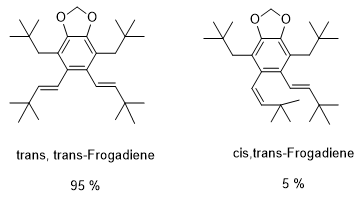

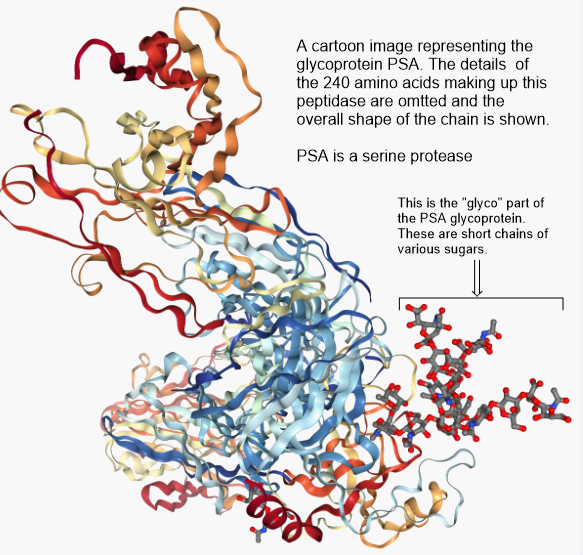
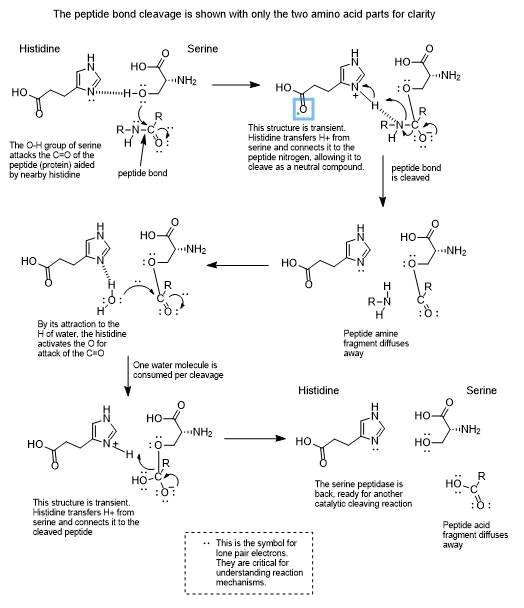
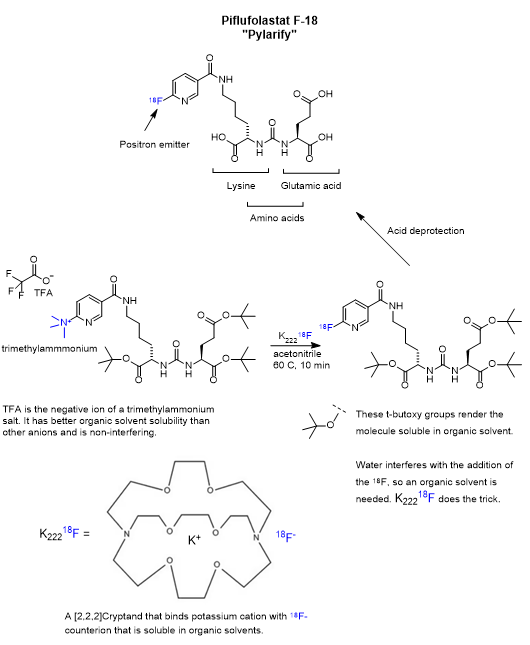
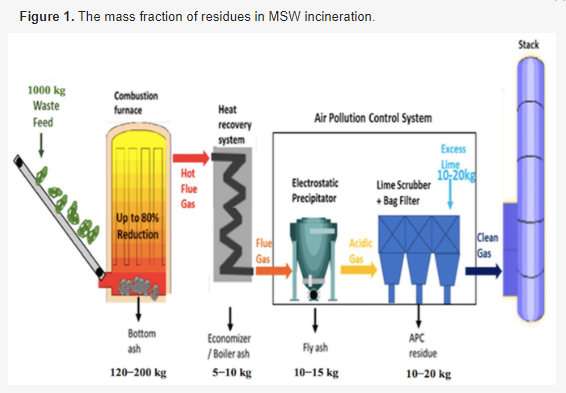
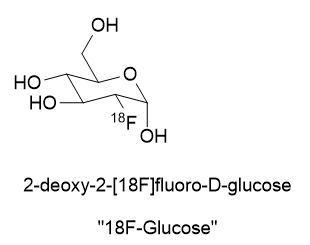
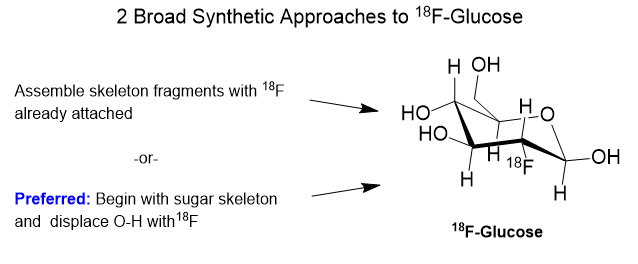
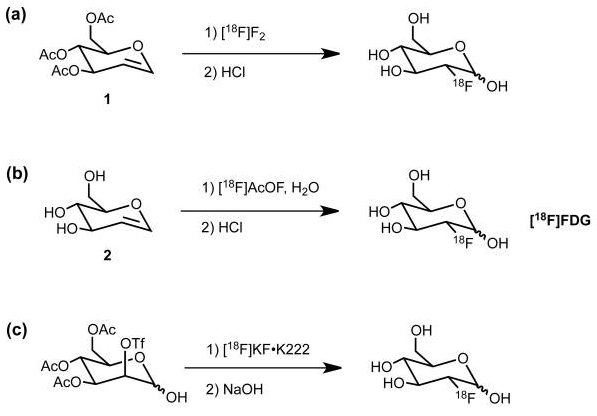

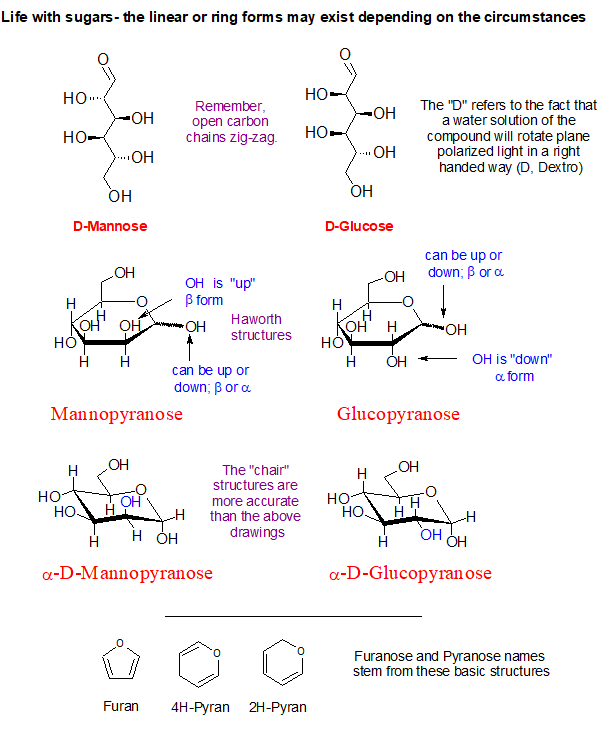
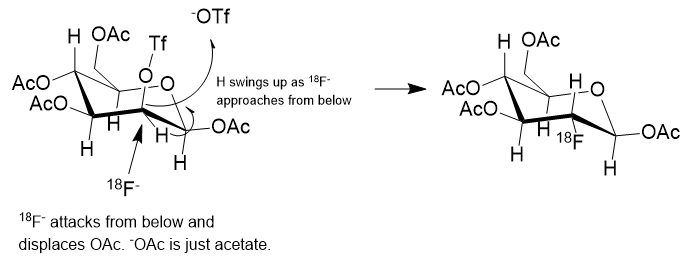
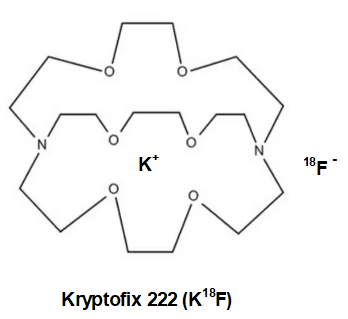

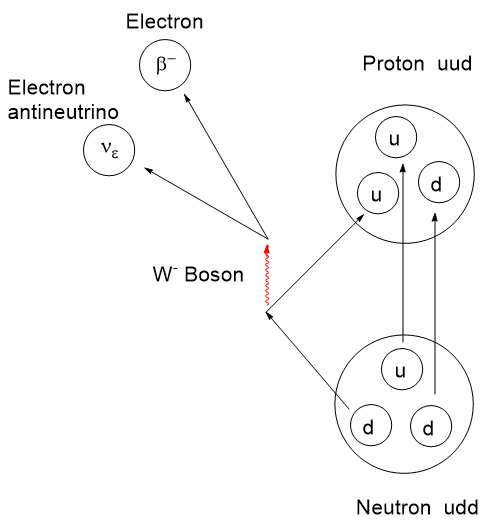
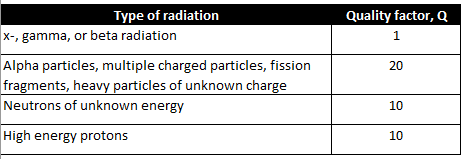


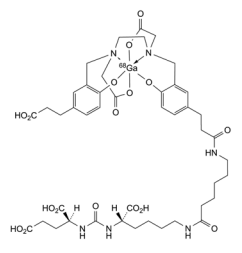
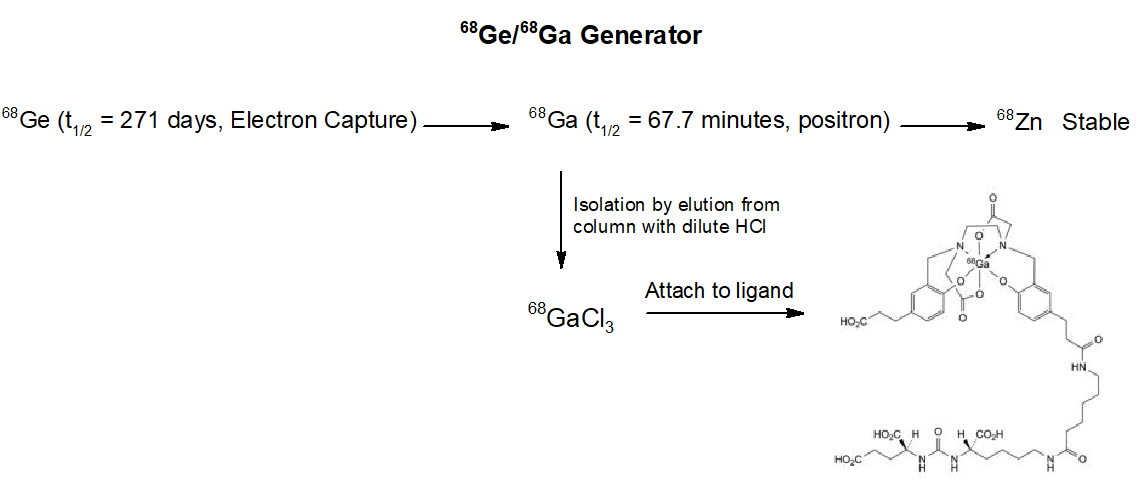
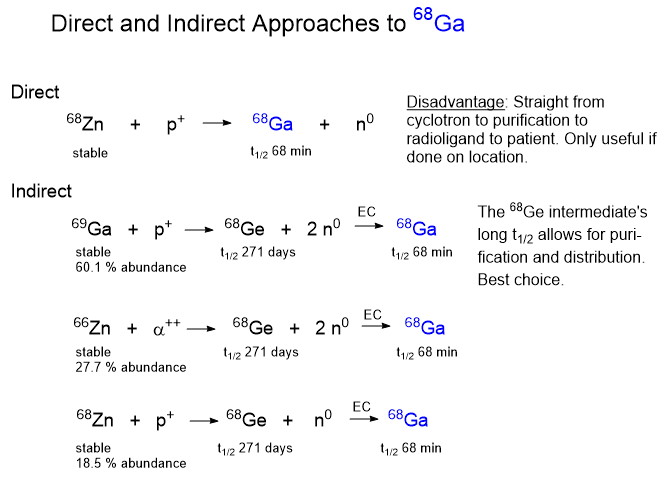
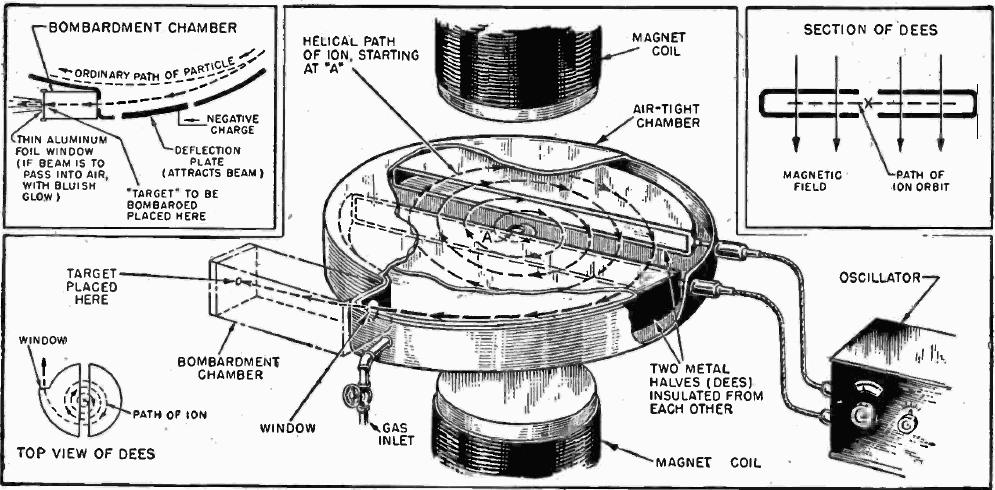
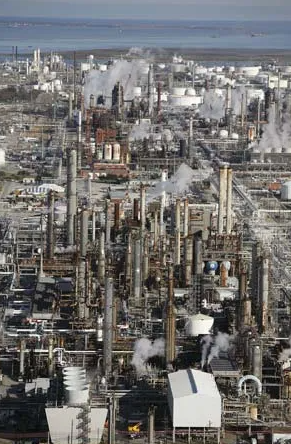
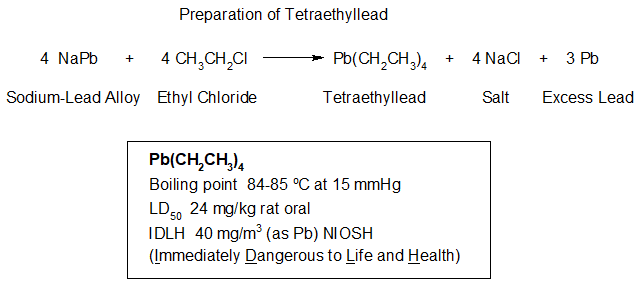
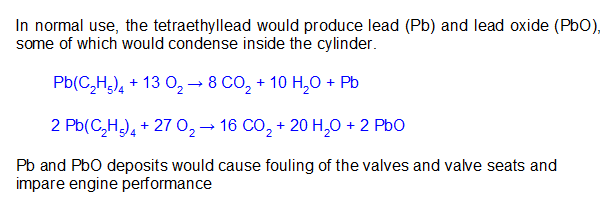
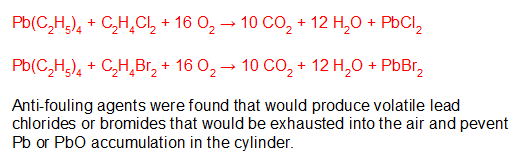
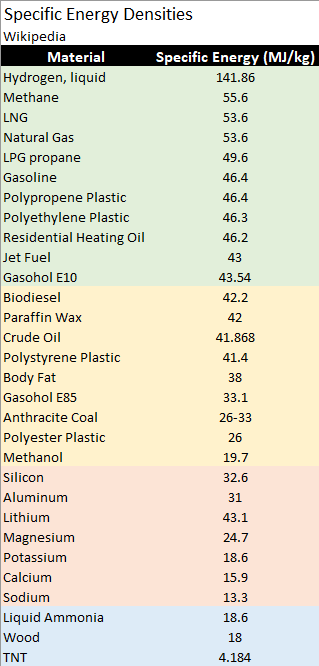
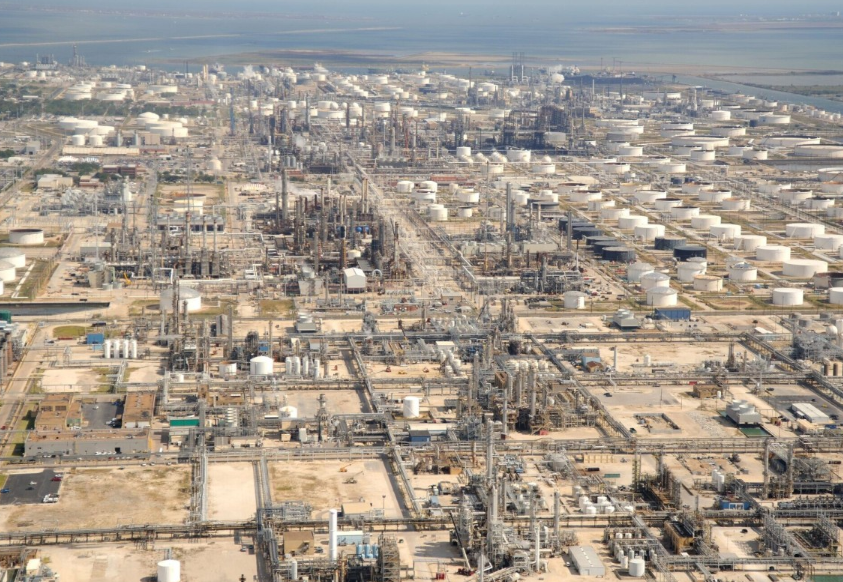
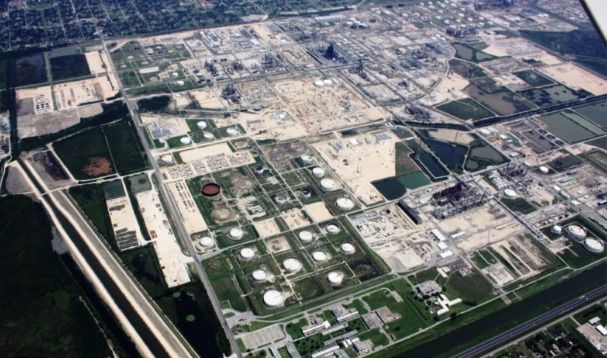
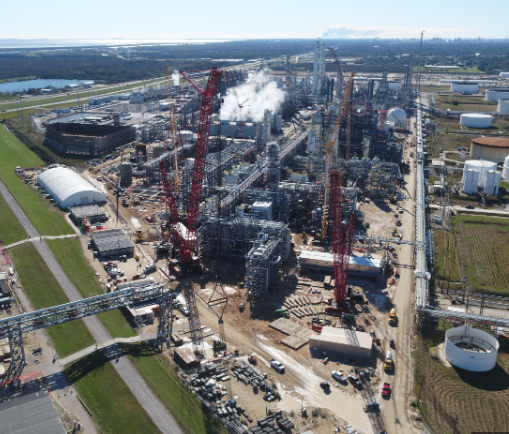
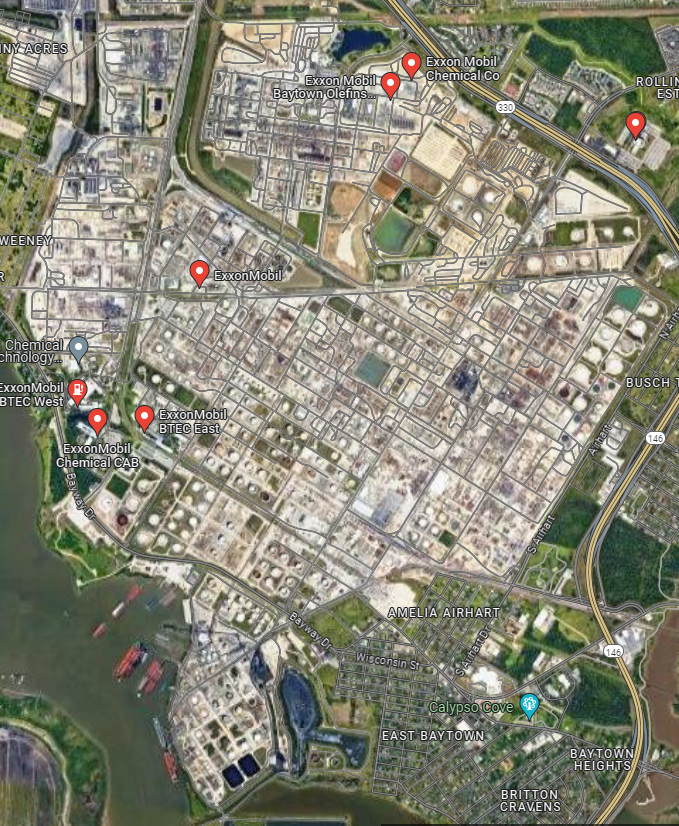

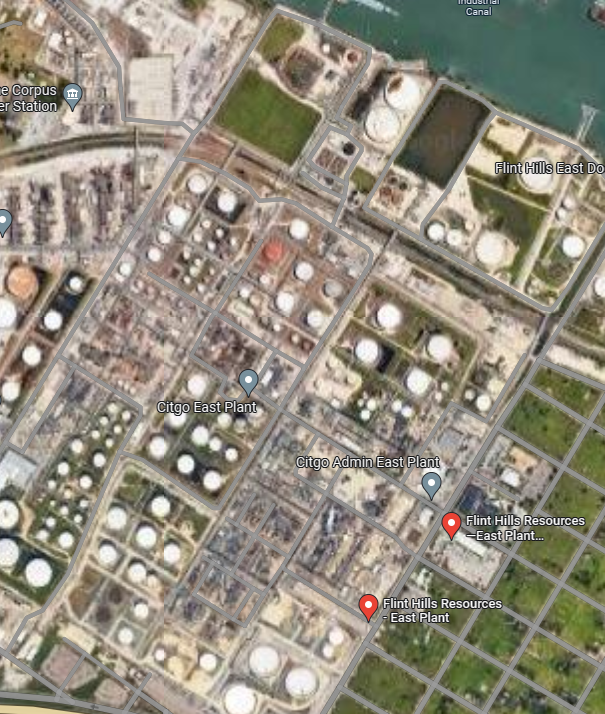
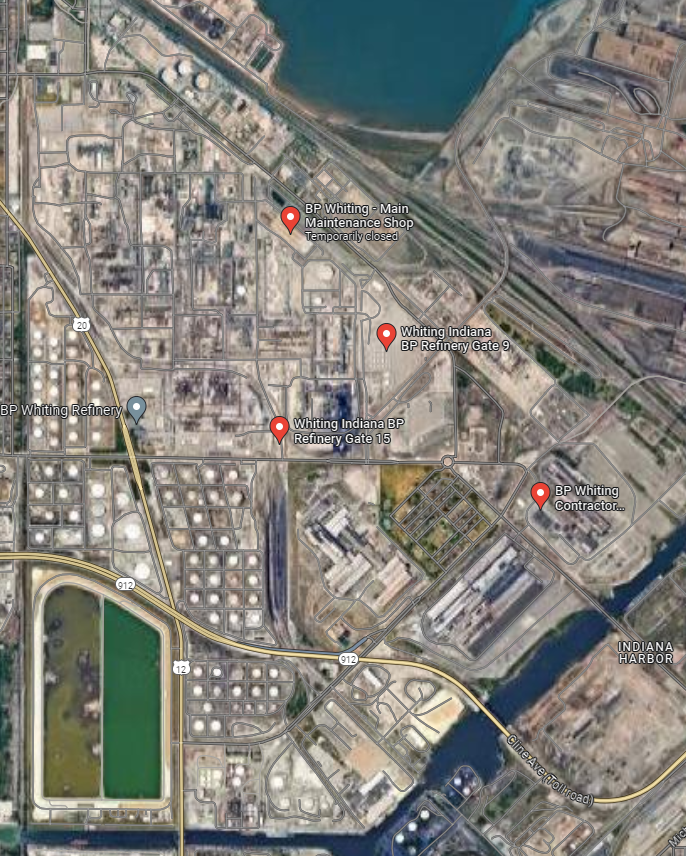
 Lamentations on Chemistry